
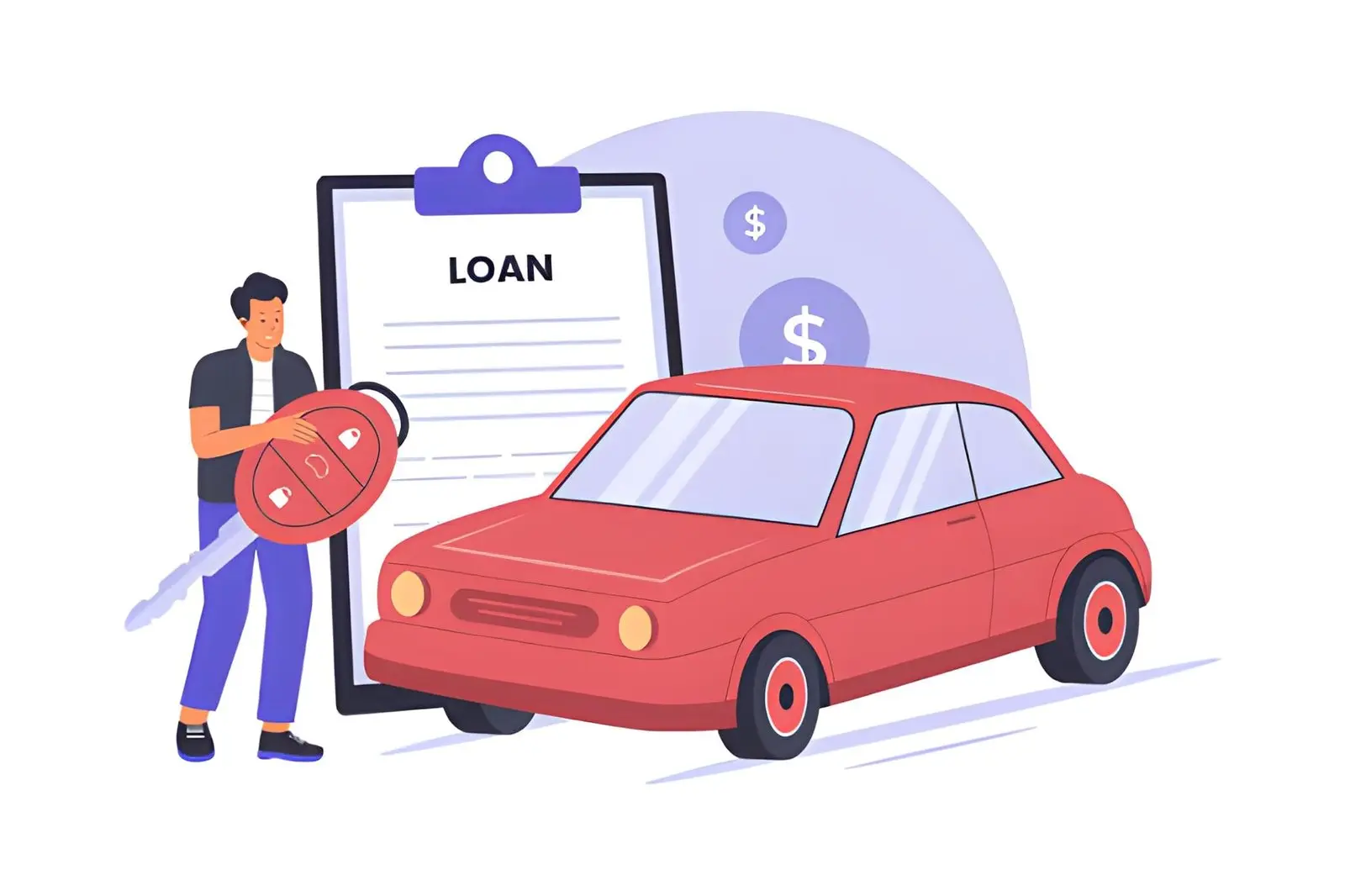
Purchasing a vehicle often requires considerable financial planning, especially when the cost exceeds readily available savings. A car loan is a common financial product designed to help individuals acquire a car by spreading the expense over a period. This guide offers an in-depth understanding of car loans, their types, processes, and factors to consider before committing to one.
What is a Car Loan?
A car loan is a type of secured or unsecured loan specifically intended for purchasing a vehicle. The borrower receives an amount sufficient to cover the car’s price, which is then repaid, usually in monthly instalments, over an agreed term. Interest is charged on the borrowed amount, making the total repayable amount more than the principal.
Types of Car Loans
Several types of car loans cater to different needs and financial situations. The most common categories include:
Secured Car Loans
Secured car loans use the vehicle as collateral. If the borrower defaults on repayments, the lender can repossess the car to recover the outstanding amount. These loans generally offer lower interest rates due to the reduced risk for the lender.
Unsecured Car Loans
Unsecured loans do not require collateral. Consequently, the interest rates are typically higher, reflecting the increased risk to the lender. These loans depend more heavily on the borrower’s creditworthiness.
Applying for a Car Loan
The process of obtaining a car loan involves several steps. Initially, potential borrowers should assess their financial capacity, including income, expenses, and credit history. Next, it is advisable to research different lenders to find competitive rates and terms. For those considering an electric vehicle, it’s also worth exploring options like EV salary sacrifice, which can make going electric more affordable by reducing the overall cost through tax and National Insurance savings.
Applicants are required to submit relevant documentation such as proof of income, identification, and sometimes details of the vehicle to be purchased. Lenders will evaluate this information to determine creditworthiness and decide on the loan application.
Interest Rates and Terms
Interest rates on car loans vary depending on factors such as whether the loan is secured or unsecured, the borrower’s credit score, loan term, and lender policies. Typically, rates can be fixed or variable:
- Fixed interest rates remain constant throughout the loan term, providing predictable repayments.
- Variable interest rates can fluctuate in response to market changes, potentially altering monthly payments.
Loan Duration
Car loans can range from short terms of 12 months to longer terms extending up to 7 years. While longer terms reduce monthly repayments, they increase the total interest paid over the life of the loan. Borrowers should balance affordability with overall cost when choosing the term.
Deposit Requirements
Many lenders require a deposit or down payment, usually a percentage of the vehicle price. A higher deposit reduces the loan amount and may attract favourable interest rates. It also demonstrates borrower commitment, positively influencing loan approval. For instance, if you are considering BMW 118i Singapore you have a higher price to pay, and thus you must decide on a higher down payment to gain the trust of the lender.
Eligibility Criteria
Lenders typically assess several factors to determine eligibility for a car loan. These often include:
- Credit score and history
- Income level and stability
- Employment status
- Existing debts and financial commitments
- Age requirements
Repayment Options
Repayments are generally structured as fixed monthly amounts. Some lenders may offer flexibility such as weekly or fortnightly payments. Early repayment options can allow borrowers to reduce interest costs but might involve fees. It is important to carefully read loan agreements regarding repayment policies.
Advantages of Taking a Car Loan
Car loans offer multiple benefits, including:
- Immediate access to a vehicle without full upfront payment.
- Structured repayment plans that fit within monthly budgets.
- Opportunity to build credit history with consistent repayments.
- Potential tax benefits for business use, subject to local regulations.
Potential Disadvantages
Borrowers should be aware of some downsides to car loans:
- Interest costs increasing the overall purchase price.
- Risk of repossession if repayments are not maintained.
- Loan fees and other associated charges.
Comparing Car Loans
When considering a car loan, it is essential to compare different offers. Key comparison points include interest rates, loan terms, fees, and repayment flexibility. Online tools and calculators can assist in evaluating total costs and monthly obligations.
Impact on Credit Score
Taking out a car loan affects credit scores both positively and negatively. Timely repayments can boost credit ratings, improving future borrowing capacity. Conversely, missed payments or defaulting can harm creditworthiness significantly.
Tips for Managing a Car Loan
Effective management of a car loan includes making payments on time, maintaining communication with the lender, and reviewing loan statements regularly. If financial circumstances change, informing the lender promptly might allow renegotiation of loan terms to prevent default.
Alternatives to Car Loans
Before finalising a car loan, potential buyers might explore alternative financing options such as personal loans, leasing, or saving until sufficient funds are available. Each option carries distinct benefits and challenges.
Conclusion
Understanding all facets of a car loan is crucial for making an informed financial decision. Evaluating loan types, terms, eligibility, and personal circumstances can lead to a favourable borrowing experience. Proper research and planning ensure the chosen loan aligns with financial goals and capacity.
Also Read-5 Mistakes to Avoid When Hiring a Car Shipping Company

Add a Comment