
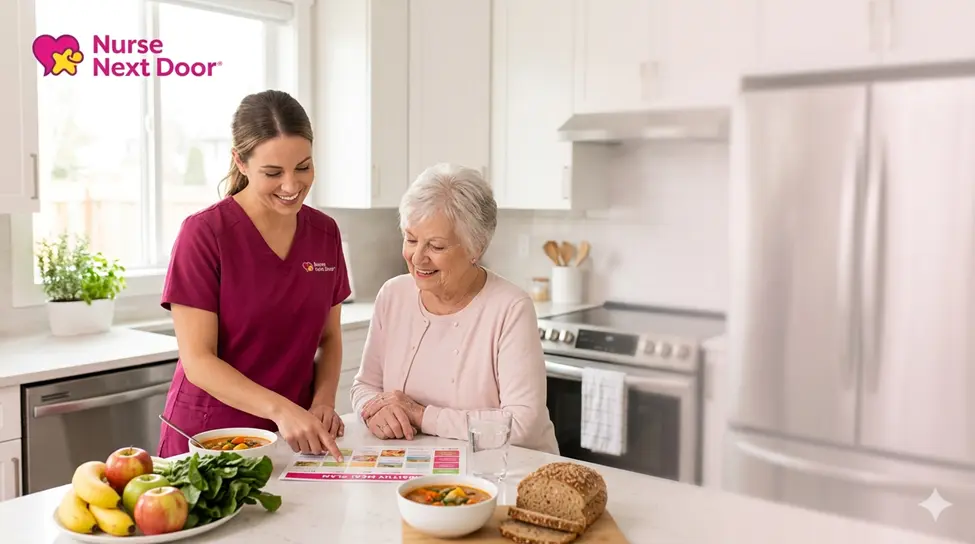
Do you know that 1 in 2 seniors is likely to experience malnourishment? Caring for an aging parent or loved one and getting them to eat right involves more than cooking healthy meals. It also means meeting their changing appetite, sticking to their doctor-prescribed dietary restrictions, and making favorite foods that they will actually eat. If they are suffering from physical or cognitive conditions that make it difficult to chew or swallow, it can even mean helping them eat.
This is a lot for anyone to take on, especially family caregivers who lack training, expertise, and the time to take on such a heavy load. This is precisely why so many families eventually look into hiring the best senior care services in Mclean available locally, such as Nurse Next Door McLean. This article features some of the important meal planning tips and insights for caregivers of elderly patients.
Understanding the Nutritional Needs of Seniors
As a person ages, a dramatic shift takes place. Seniors typically need fewer calories but more nutrients. This can be confusing and feel counterintuitive at first. Instead of serving large portions, the focus now becomes choosing nutrient-dense foods and meals that deliver more value even when the amounts are smaller.
For example, protein becomes vitally important for maintaining muscle mass, while fiber supports good digestion. Vitamin D and calcium protect bone health, a critical concern among seniors
Common Challenges in Senior Nutrition
Age-related physical and mental conditions can create barriers to good nutrition.
- Slower metabolism
- Lower energy needs
- Weaker hunger signals
- Slower digestion
- Changes in the ability to smell and taste
- Chewing and swallowing difficulties
- Dietary restrictions – hypertension, diabetes, etc
- Medications
- Depression
- Alzheimer’s or other forms of dementia
Any one of these can make it harder to follow a healthy and balanced diet. But here’s the thing – most people experience several of these factors as they get older, and this can have a profound impact on their appetite.
Practical Meal Planning Tips
So what’s the solution? While there is no perfect system, there are ways to make things easier and to provide more consistent nutrition.
Follow Their Recommended Diet
Start with what the doctor has already advised/prescribed. For example, if they have been diagnosed with hypertension (high blood pressure), you might focus on low-sodium meals.
If the person is diabetic, you can prepare low-carb/high fiber meals. Foods that are lower in fat are a good option if heart health is a concern. As a general rule, avoid foods that are overly spicy, and look for high-protein options that can help combat age-related muscle loss.
Plan Balanced Meals
Don’t worry about complicated recipes. You can still provide good nutrition and variety while keeping it simple.
Protein
Meals should include a source of protein, such as meat, fish, or beans. Try to limit their intake of red meats like beef or pork and instead focus on lean proteins such as chicken or fish.
Starches
The plate should also include whole grains such as brown rice or oats. These have a higher nutritional density, contain more fiber and antioxidants, and have a lower glycemic impact than white rice, pasta, or potatoes.
About half the plate should be fruits and/or vegetables. Variety is key – try to serve a wide range of colors and flavors.
Vegetables
Leafy greens like spinach, collard greens, and kale are rich in vitamins and minerals and support heart, bone, and joint health, and help support cognitive function. Likewise, broccoli reduces inflammation, promotes heart health, and protects against cognitive decline. Bright, colorful vegetables like bell peppers and carrots are good for the immune system, while cauliflower is a good low-carb option.
Fruits
Berries are rich in antioxidants, while apples, oranges, and grapes support better heart health. Do you know that grapes may also help prevent age-related cognitive decline?
Prep Meals in Advance
This is a little change that makes a big difference and frees up a lot of time. The idea is to be as efficient with your cooking as possible. Instead of cooking individual meals, batch cook larger amounts of protein that can be used as a base for different meals during the week.
For example, if you cooked a large batch of chicken breast or lean beef roast early in the week, this is how you could use it.
- Day 1: Serve it with gravy and brown rice
- Day 2: Toss it with a mild barbecue sauce
- Day 3: Slice the meat over a salad
Even if you only batch cook once or twice a week, it takes pressure off your daily routine. Having meals already prepped and ready also keeps you consistent, because on a busy day, it reduces the temptation to rely on less nutritious options.
Focus on Foods That Are Easy to Eat
Dental issues, dry mouth, impaired motor skills that make it harder to cut up food, difficulty chewing and swallowing – each of these can make eating feel like a chore. Make it easier on yourself and the senior.
For example, you can incorporate softer foods such as soups and stews, smoothies, and vegetables that are soft. Additionally, cutting food into smaller pieces eliminates two barriers at once – cutting and chewing. Finally, for those who have difficulty using cutlery, serve foods that can be picked up with ease – sandwiches, vegetable sticks, sliced fruit, etc.
Encourage Small, Frequent Meals
Three large meals don’t necessarily work for everyone. Offering smaller portions multiple times throughout the day can often lead to a better overall nutritional intake. This is an especially effective strategy for seniors with smaller appetites. Some practical strategies include:
- Serve their meals on salad plates, rather than dinner plates. This makes finishing their meal seem more achievable.
- Provide a calorie boost by serving foods in gravy or heavy cream instead of plain broth.
- Most seniors have better appetites in the morning, so front-load the day’s calories by serving the biggest meal at breakfast.
- Keep a snack plate handy in the fridge. Pull it out every couple of hours, and give them one or two pieces at a time.
Incorporate Favorites
One of the best ways to get even the pickiest senior to eat is to include their favorites in the menu rotation. Try to make healthier versions of their favorite foods that align with their doctor-recommended dietary plan.
This is especially important during the holidays, when they might have a dish that is particularly special to them. Don’t forget to incorporate foods that are culturally significant to them. The more meaningful the meal, the more likely they are to eat with enthusiasm.
Hydration Strategies
Proper hydration is key to good health, but a shocking number of seniors do not drink the daily recommendation of water. To ensure that your parents are staying hydrated, try to serve them:
- Flavored waters
- Fruits and vegetables with high water content
- Soups and broths (low sodium)
Avoid excessive amounts of coffee or tea, both of which are diuretic.
How Personal Care Assistance at Home Helps
If all of this sounds like a lot, it’s because it is. Staying consistent requires a focus and a commitment to routine that is beyond most busy people trying to care for a senior loved one. This is why so many families look for the best senior care services in their area. This is how they get the professional support and personal care assistance at home that their parents deserve. Trained and experienced professionals provide compassionate services such as:
- Grocery shopping
- Menu planning
- Meal preparation
- Monitoring of food intake
- Diet compliance
- Feeding assistance
- Hydration support
These supportive services lighten the load of family caregivers, preventing burnout and ensuring quality of life for the senior.
Why Families Choose Northern Virginia Nurse Next Door for the Best Senior Care Services
At Nurse Next Door McLean, our experienced caregivers keep your elderly loved one eating and drinking as healthy as possible. We offer meal preparation that is flexible, individualized, and culturally sensitive.
Northern Virginia Nurse Next Door provides flexible personal care assistance at home in Mclean that fits your family’s needs and schedule. If your loved one isn’t getting enough nutrition and you are struggling to find a way to help, Nurse Next Door McLean is your trusted resource in Northern Virginia.
Call us today at (703) 774-9421 to book a free Caring Consult and help your loved one stay healthy at home.
Also Read-Business Residence Permit in Poland (2026): Income vs Potential

Add a Comment