
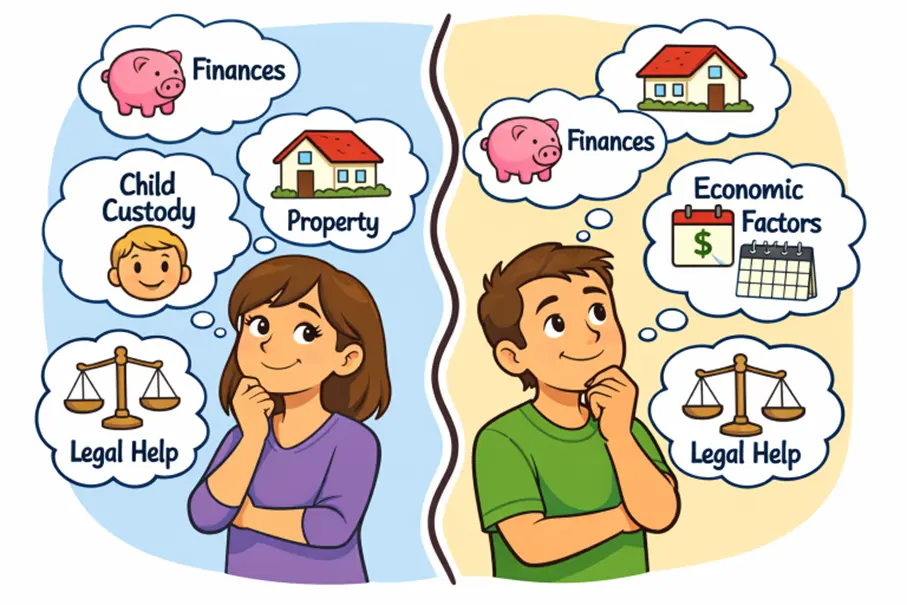
Divorce outcomes are shaped by a range of legal, financial, and personal factors that vary from case to case. Courts generally aim to reach fair and equitable decisions, but the specifics often depend on factors such as the length of the marriage, each spouse’s financial contributions, and the needs of any children involved. Property division, custody arrangements, and support obligations are all influenced by evidence presented and the legal standards applied, making preparation and clarity essential throughout the process.
In addition, the quality of legal guidance and the ability to navigate procedural requirements can significantly impact results. Individuals often rely on experienced professionals, including Newburyport attorneys, to help interpret complex regulations and present their positions effectively. Factors such as communication, willingness to negotiate, and adherence to court expectations also shape final outcomes.
Financial Circumstances
One of the most decisive factors in divorce proceedings is each party’s financial situation. Courts carefully examine:
- Income and Earning Potential: Judges consider both spouses’ present and anticipated income to determine a fair allocation of assets and future financial support. Accurate documentation is essential, as it influences decisions on spousal support, the division of investments, and other significant matters.
- Assets and Debts: The marital estate includes bank accounts, property, retirement savings, and any debt acquired during the marriage. The method of dividing these items is guided by principles of equity and state laws regarding marital property. Details like who may keep the family home are often tied to ongoing financial capacity.
- Standard of Living: The lifestyle enjoyed during the marriage informs decisions on alimony and support. The aim is to prevent either spouse from experiencing a significant decline in their quality of life.
Child Custody and Parenting Plans
When children are involved, the focus turns to arrangements that foster their well-being. Family courts prioritize:
- Parental Cooperation: Courts favor joint custody situations where parents demonstrate the ability to work together amicably. Cooperation lowers conflict and helps maintain stability for the child.
- Child’s Best Interests: A child’s age, emotional bonds with each parent, and health are weighed carefully. Courts assess each parent’s ability to create a safe, nurturing environment.
- Stability and Continuity: Maintaining consistent routines, schooling, and community engagement for the child is typically a primary goal. Most legal standards prioritize the child’s long-term adjustment and happiness.
Emotional and Psychological Factors
Divorce is as much an emotional process as it is a legal one. The mental clarity and resilience of both parties can directly influence outcomes.
- Emotional Readiness: Those who are psychologically prepared for negotiations tend to make more rational, mutually beneficial decisions, avoiding drawn-out disputes that can drain resources and goodwill.
- Psychological Well-being: Mental health issues, such as depression or anxiety, can complicate the process, impacting both settlement discussions and court determinations, especially regarding custody.
- Support Systems: Access to counseling, therapy, or supportive family and friends can help individuals manage the emotional upheaval of divorce. This support fosters decision-making that serves everyone’s long-term interests.
Legal Representation and Access to Legal Services
Legal representation is crucial in divorce and family law matters, as skilled attorneys help interpret complex laws, protect individual rights, and work toward fair resolutions. The quality of representation can vary significantly depending on an attorney’s experience, specialization, and available resources. Experienced family law attorneys can guide clients through negotiation, mediation, or litigation, often enabling them to reach settlements more efficiently and with less emotional and financial strain.
Access to legal services is also an important consideration. Not everyone has the financial means to hire highly experienced legal counsel, and research indicates that limited access to legal expertise can affect case outcomes, particularly for those with fewer resources. In these situations, pro bono services and legal aid organizations play a vital role by providing support and helping ensure that more people can navigate the legal system with the proper guidance.
External Factors Impacting Divorce Settlements
Divorce settlements are influenced by a variety of societal and economic factors that can shape both expectations and outcomes. The economic climate is particularly important, as shifts in the job market, income stability, and property values directly impact the assets available for division and the feasibility of certain support arrangements. Additionally, changes in the legal framework have a significant effect, with updates to family law, tax policies, and precedents from notable cases affecting the common strategies and potential outcomes for both parties.
Social influences also shape how divorce is experienced and perceived. Changing attitudes toward divorce, along with support from friends, family, and the community, can influence decision-making and emotional dynamics throughout the process. Together, these external factors demonstrate that divorce settlements are shaped not only by individual circumstances but also by the broader environment in which they take place.
Conclusion
Successful divorce settlements rely on an informed and holistic approach. Key issues include financial stability, the needs and best interests of children, emotional health, the quality of representation, and awareness of broader social and economic factors. When these elements are understood and addressed, parties can pursue outcomes that support both present and long-term stability, enabling individuals and families to move forward toward new beginnings.
Also Read

Add a Comment