
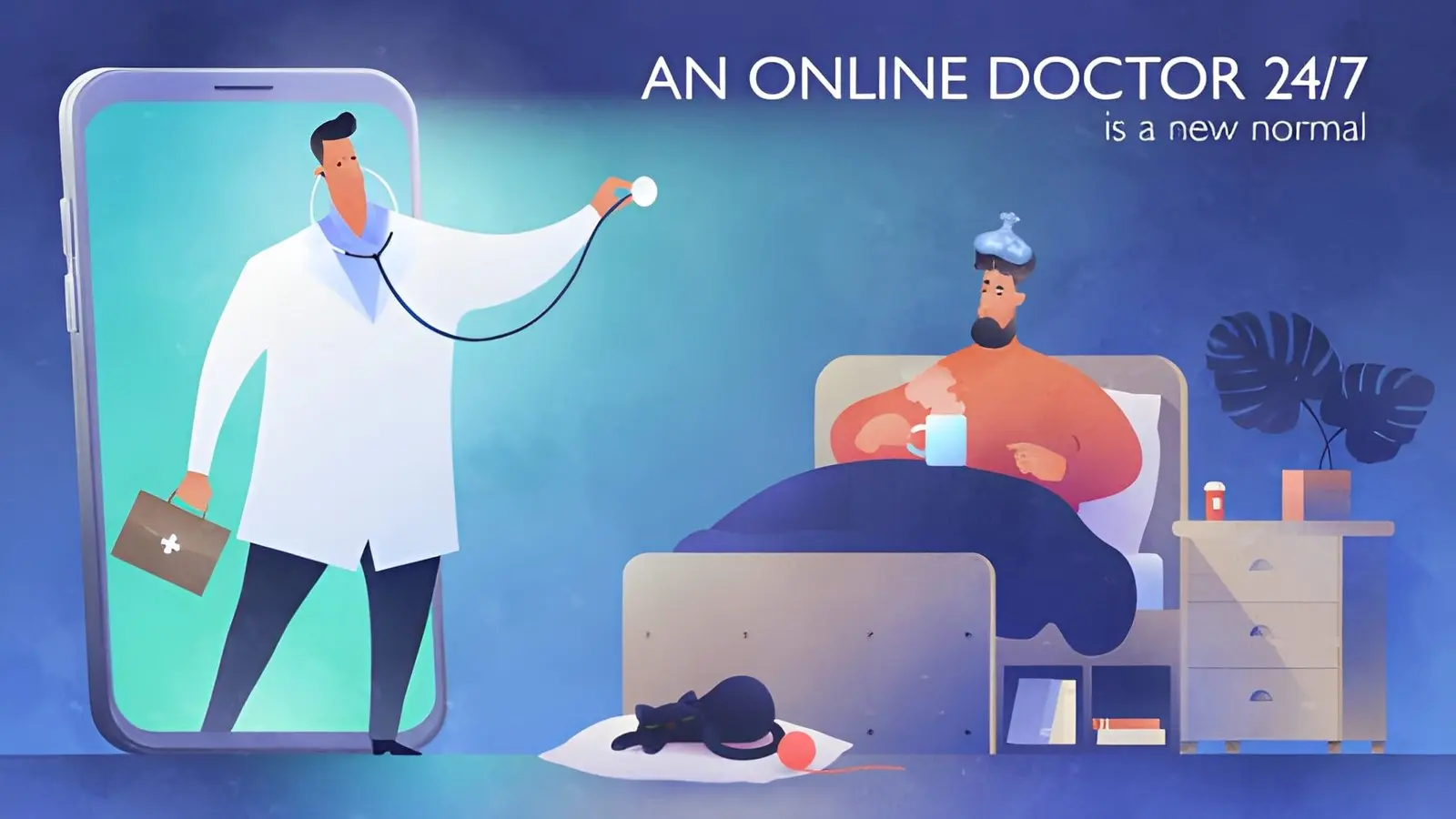
For decades, seeing a doctor followed a predictable script. You called the office during business hours, waited on hold, spoke to a receptionist, and hoped an available slot matched your schedule. If the line was busy or the office was closed, you simply tried again later. That model shaped how millions of people accessed care, and for a long time nobody questioned it. Today that script has been rewritten. Patients increasingly expect to find a physician, review their credentials, and confirm an appointment in minutes, often without picking up the phone at all.
This shift did not happen by accident. It reflects broader changes in how people manage nearly every part of their lives. We reserve tables at restaurants, book travel, and schedule deliveries through our phones. Healthcare was one of the last major services to resist this convenience, and its resistance created real friction for patients. Online booking has closed that gap, and in doing so it has quietly become the expected way to connect with a provider rather than a novelty offered by a few forward-thinking practices.
The Problems Online Booking Solves
The traditional appointment system carried inefficiencies that most patients had simply learned to tolerate. Phone lines were open only during the hours when working people were least able to call. Reaching a live person could take several attempts. Scheduling a single visit sometimes required multiple calls, especially when a preferred time was unavailable and the patient had to negotiate around the office calendar verbally.
Online scheduling removes these obstacles in a straightforward way. A patient can search for available appointments at midnight, compare openings across several days, and select the one that fits without waiting for anyone to answer a phone. Platforms such as Vosita.com allow users to view real-time availability, which eliminates the guesswork that made phone booking so frustrating. The visit is confirmed instantly, and the patient receives a record of it rather than relying on memory or a hastily written note.
This accessibility matters most for the people who have historically found care hardest to reach. Parents juggling children, shift workers with irregular hours, and caregivers managing appointments for family members all benefit when scheduling no longer depends on a narrow window of availability. Convenience here is not a luxury. It often determines whether someone books the visit at all.
Transparency That Builds Confidence
Beyond convenience, online booking has changed how patients evaluate providers before committing to a visit. In the past, choosing a doctor often meant relying on a recommendation, an insurance directory, or little more than a name and address. Patients had almost no way to assess whether a physician was the right fit until they were already sitting in the waiting room.
Digital platforms have introduced a level of transparency that was previously impossible. Patients can now review a provider’s specialties, education, languages spoken, patient feedback, and accepted insurance plans in one place. This information helps people make more deliberate choices rather than defaulting to whoever happens to have an opening. A patient searching for a physician who understands a specific condition, or who speaks a particular language, can find that match before booking rather than discovering a mismatch after the appointment begins.
That transparency also reduces anxiety. Knowing what to expect from a provider, including how other patients have described their experiences, makes the entire process feel less uncertain. For anyone who has felt nervous about seeing a new doctor, this preview of information provides a measure of reassurance that a phone call never could.
Fewer Missed Appointments and Better Continuity
Missed appointments have long been a costly problem for medical practices and a source of disrupted care for patients. Someone who books weeks in advance can easily forget the date, and a forgotten visit means both a wasted slot for the office and a delay in treatment for the patient.
Automated reminders built into online booking systems address this directly. Patients receive notifications by text or email as the appointment approaches, which dramatically reduces the number of no-shows. When someone genuinely cannot attend, rescheduling through the same system takes seconds rather than another round of phone calls. The result is a smoother flow of care where appointments are kept, gaps are filled quickly, and patients stay on track with their treatment.
This reliability supports continuity, which is one of the most important factors in good health outcomes. Regular checkups, follow-up visits, and ongoing management of chronic conditions all depend on patients actually attending their appointments. By making scheduling and rescheduling frictionless, online booking helps people maintain the consistent care that leads to better long-term results.
Meeting Modern Expectations
Perhaps the strongest evidence that online booking has become the standard is how patients now react to its absence. A practice that still requires phone-only scheduling increasingly feels behind the times to the people it serves. Younger patients in particular, who have grown up managing their lives digitally, often see the inability to book online as a reason to look elsewhere. What was once a competitive advantage has become a baseline expectation.
Medical providers have recognized this shift and adjusted accordingly. Adopting online scheduling is no longer a matter of standing out but of keeping pace with what patients assume every practice should offer. This expectation extends across generations as well, since older patients have grown comfortable with digital tools in many other areas of their lives and increasingly appreciate the same convenience in healthcare.
The momentum behind this change shows no sign of slowing. As telehealth, digital records, and connected care tools continue to mature, online booking sits at the entry point of a broader digital healthcare experience. It is the first interaction many patients have with a provider, and it sets the tone for everything that follows. A system that begins with ease and clarity signals a practice that values its patients’ time and comfort.
Online booking has moved from a helpful extra to the foundation of how people access care. It removes the barriers that made scheduling stressful, gives patients the information they need to choose wisely, and supports the consistent care that keeps people healthy. For anyone who has grown accustomed to managing their life with a few taps on a screen, expecting the same from healthcare is entirely reasonable, and providers who meet that expectation are the ones patients will continue to choose.
Also Read

Add a Comment