Introduction
Manufacturing has changed a lot over the past two decades. Factories once relied on manual tools and slow, repetitive labor. Today, computer controlled systems handle most of the work. This shift has made parts more accurate, production faster, and costs lower. Precision machining sits at the center of this change. It combines software, robotics, and skilled engineering to create parts that meet exact specifications.
This article looks at how CNC technology has advanced, what makes it valuable, and where the industry is heading.
The Rise of Advanced CNC Machining Service
CNC stands for computer numerical control. It refers to machines that follow digital instructions instead of manual input. Early CNC machines were basic. They could cut simple shapes and needed constant supervision. Modern systems are different. They use multi axis movement, real time monitoring, and adaptive controls that adjust speed and pressure automatically.
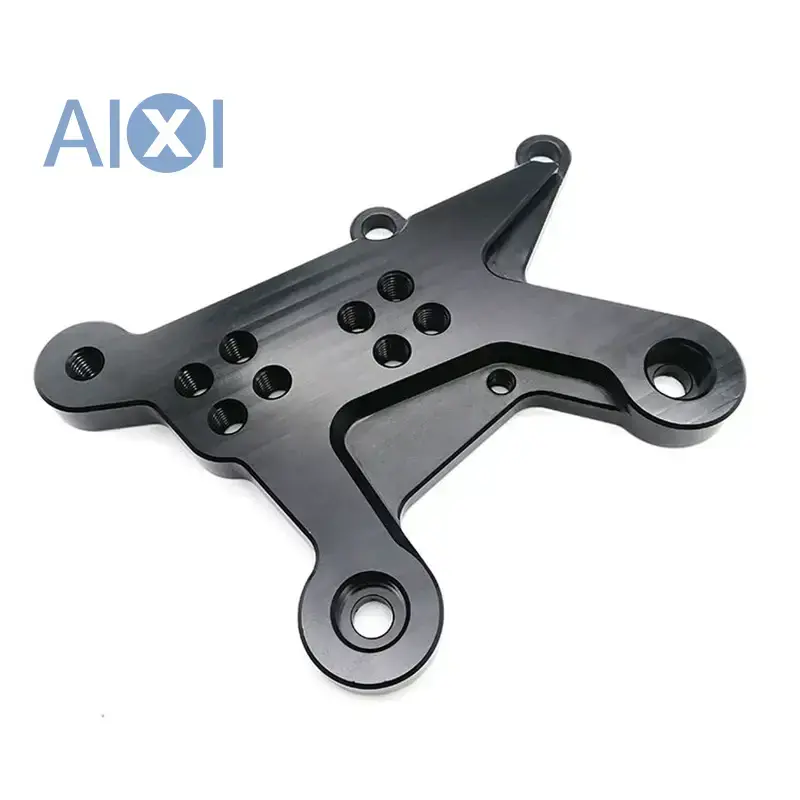
Companies that offer an Advanced CNC Machining Service use these newer systems to produce parts with tight tolerances. This means the difference between a design and a finished part is extremely small, often less than a human hair’s width. Industries like aerospace, medical devices, and automotive rely on this level of accuracy. A single flawed part can cause serious problems, so precision is not optional. It is a requirement.
These services also use software simulations before cutting begins. Engineers can test a design digitally, catch errors early, and avoid wasted material. This saves time and money for both manufacturers and clients.
Why Precision Matters in Modern Manufacturing
Precision is not just about looking good on paper. It affects how parts perform in the real world. A gear that is slightly off center can cause a machine to vibrate, wear out faster, or fail completely. A medical implant that does not fit correctly can harm a patient. These are not small issues. They are safety concerns.
CNC machining reduces human error. Machines follow the same instructions every time, so the tenth part looks the same as the thousandth. This consistency is hard to achieve with manual methods. Workers get tired. Tools wear down unevenly. Small mistakes add up over time. Automated systems avoid most of these problems.
Precision also affects cost. When parts are made correctly the first time, there is less waste. Fewer parts need rework or get thrown away. This makes the entire production process more efficient, which benefits both manufacturers and the customers who buy their products.
Materials and Techniques Used in CNC Machining
CNC machining works with many materials. Metals like aluminum, steel, titanium, and brass are common. Plastics and composites are also used, especially in industries that need lightweight parts. Each material behaves differently under a cutting tool, so machinists adjust speed, tool type, and cooling methods based on what they are working with.
Several techniques fall under the CNC umbrella. Milling involves rotating tools that remove material from a stationary block. Turning involves spinning the material while a cutting tool shapes it. Drilling creates holes with specific depths and diameters. Some machines combine these processes, allowing a single setup to complete a part without moving it between machines. This reduces errors and speeds up production.
Newer machines also include five axis capability. This means the cutting tool can approach the material from five different directions instead of the usual three. Complex shapes that once required multiple setups can now be finished in one continuous process. This has opened the door to more intricate designs that were previously too difficult or too expensive to produce.
Meeting Demand with Low Volume Manufacturing Services
Not every project needs thousands of identical parts. Startups, medical device developers, and companies testing new products often need smaller batches. This is where Low Volume Manufacturing Services become useful. These services allow businesses to produce anywhere from a few units to a few thousand, without the high setup costs typically tied to mass production.
Low volume manufacturing gives companies flexibility. They can test a product in the market, gather feedback, and make design changes before committing to large scale production. This reduces financial risk. It also shortens the time between an idea and a finished product, which matters in industries where speed to market can determine success or failure.
CNC machining fits well with low volume needs because digital designs can be adjusted quickly. There is no need to build new molds or retool an entire production line. A design file can be updated, and the machine can start producing the revised part almost immediately. This kind of adaptability is difficult to achieve with older manufacturing methods.
The Future of Precision Machining
The next phase of CNC technology looks toward smarter automation. Machines are starting to use sensors that detect tool wear, temperature changes, and material inconsistencies in real time. This data helps prevent defects before they happen, rather than catching them after the fact.
Artificial intelligence is also beginning to play a role. Some systems can now predict maintenance needs, suggest design improvements, or optimize cutting paths without human input. This does not remove the need for skilled engineers, but it does change how they spend their time. Instead of manually adjusting every parameter, they can focus on design and problem solving while the machine handles routine calculations.
Sustainability is another growing focus. Manufacturers are looking for ways to reduce material waste and energy use. Better software and more precise cutting already help with this, since accurate machining produces fewer scrapped parts. Future advancements may include machines that automatically recycle metal shavings or use less energy during idle periods.
Conclusion
CNC machining has moved far beyond its early, simple beginnings. Today it supports industries that demand precision, consistency, and adaptability. Whether a company needs highly accurate parts for aerospace equipment or a small batch of prototypes for a new product, modern machining services can meet those needs efficiently. As technology continues to improve, CNC machining will likely become even more automated, more sustainable, and more capable of handling complex designs. For manufacturers and innovators alike, staying informed about these advancements is not just useful. It is necessary for staying competitive in a fast changing industry.
Also Read-How Exploring Destin Massage Techniques Enhances Relaxation

Add a Comment