Even the most basic chores can become annoying when a computer is slow. Whether you’re a gamer chasing higher frame rates, a creator working with demanding software, or a casual user who wants a smoother system, optimizing your PC should be a priority. Three essential steps can make a significant difference update drivers use an FPS calculator, and rate my PC to understand your computer’s overall performance.
Instead of guessing why your computer is lagging, these tools and techniques help identify performance issues and provide practical solutions. Keeping drivers updated improves hardware compatibility and stability, an FPS calculator estimates gaming performance, and a PC rating tool helps you determine whether your hardware is suitable for modern applications. Together, they create a complete performance optimization strategy.
Why Updating Drivers Is So Important
Drivers act as the communication bridge between Windows and your hardware components. Drivers are necessary for the proper operation of motherboards, graphics cards, sound cards, network adapters, and storage controllers.
When drivers become outdated, you may notice:
- Lower gaming performance
- Random crashes
- Hardware compatibility problems
- Poor graphics quality
- Slow startup times
- Internet connectivity issues
Manufacturers regularly release new driver versions to improve stability, fix bugs, and optimize performance for the latest software and games. Installing these updates ensures your hardware performs as intended.
Benefits of Updating Drivers
Regular driver updates offer several advantages:
Improved Gaming Experience
Graphics driver updates often include game-specific optimizations that increase FPS and reduce stuttering.
Better Hardware Stability
Updated drivers reduce compatibility problems between Windows updates and your computer components.
Enhanced Security
Some driver updates include security patches that protect against vulnerabilities.
Improved Device Compatibility
New peripherals such as gaming mice, keyboards, and external devices often work better with the latest drivers.
How to Update Drivers Safely
There are several methods to update drivers:
1. Windows Update
Windows automatically installs many hardware updates.
2. Manufacturer Websites
Download drivers directly from manufacturers like NVIDIA, AMD, Intel, or Realtek.
3. Driver Update Software
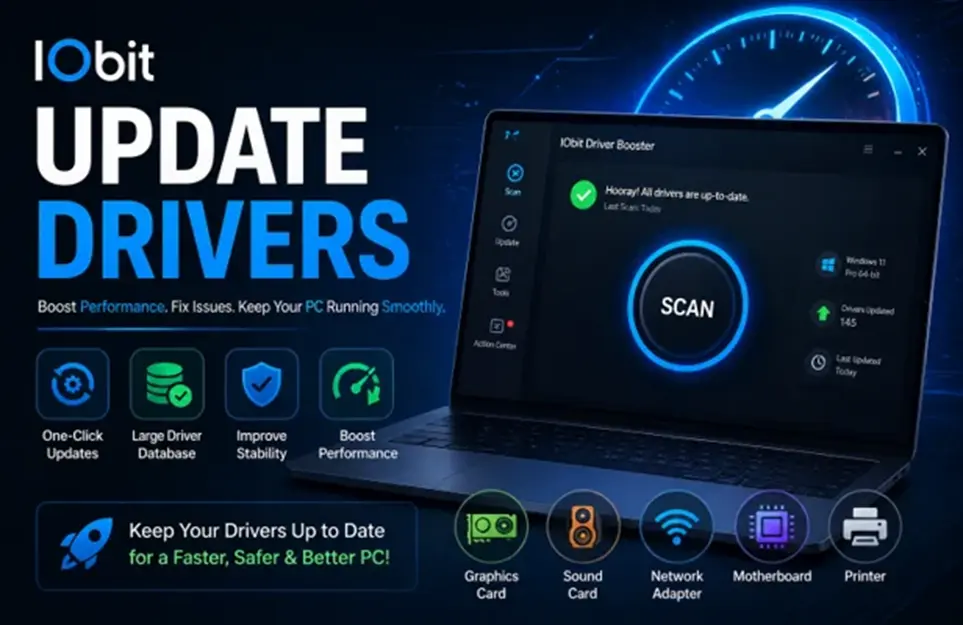
Reliable driver updater applications can scan your PC, identify outdated drivers, and install the correct versions automatically.
Always create a restore point before installing major driver updates.
Understanding FPS
FPS stands for Frames Per Second, which measures how many images your computer renders every second while gaming.
Typical FPS ranges include:
- Below 30 FPS – Poor gameplay
- 30–60 FPS – Playable
- 60–120 FPS – Smooth experience
- 120–240 FPS – Excellent for competitive gaming
- Above 240 FPS – Premium gaming performance
Higher FPS results in smoother movement, quicker reactions, and a better overall gaming experience.
What Is an FPS Calculator?
An FPS calculator estimates the frame rates your computer can achieve in different games before you install or upgrade hardware.
These calculators analyze:
- CPU model
- GPU model
- RAM capacity
- Storage type
- Screen resolution
- Graphics quality settings
Instead of relying on guesswork, gamers can compare expected performance across hundreds of popular titles.
Why Gamers Use FPS Calculators
Using an FPS calculator helps you:
- Check if your PC can run a game smoothly
- Compare different graphics cards
- Choose the best graphics settings
- Plan future upgrades
- Avoid spending money unnecessarily
It also helps identify whether your processor or graphics card is limiting performance.
Common Reasons for Low FPS
Even powerful computers can experience poor frame rates because of:
- Outdated graphics drivers
- Background applications
- High graphics settings
- Thermal throttling
- CPU bottlenecks
- Insufficient RAM
- Slow storage drives
Addressing these issues can significantly improve gaming performance.
What Does “Rate My PC” Mean?
Many users search for rate my PC because they want an easy way to understand how powerful their computer really is.
A PC rating tool compares your hardware against modern software and gaming requirements.
The evaluation typically considers:
- Processor performance
- Graphics capability
- Memory capacity
- Storage performance
- Overall balance between components
The final score provides a simple overview of whether your PC is suitable for office work, content creation, or modern gaming.
Why Rate Your PC?
Checking your PC’s performance score helps you:
- Discover hardware bottlenecks
- Decide whether an upgrade is necessary
- Compare your system with modern PCs
- Understand gaming compatibility
- Improve purchasing decisions
Instead of upgrading random components, you can focus on the part that delivers the greatest improvement.
Signs Your PC Needs Optimization
You should evaluate your computer if you notice:
- Games stutter frequently
- Long boot times
- Slow application launches
- Frequent freezing
- Random crashes
- Loud cooling fans
- High CPU usage while idle
These symptoms often indicate outdated software, driver issues, or hardware limitations.
Extra Ways to Improve PC Performance
Besides updating drivers and checking FPS, several additional optimizations can improve speed.
Remove Startup Programs
Too many startup applications increase boot time and consume system resources.
Clean Temporary Files
Delete unnecessary files regularly to free storage space.
Upgrade to an SSD
Replacing an HDD with an SSD dramatically reduces loading times.
Increase RAM
Modern games and productivity software benefit from 16GB or more of memory.
Monitor Temperatures
Overheating reduces CPU and GPU performance through thermal throttling.
Keep Windows Updated
Operating system updates often include performance improvements and security patches.
Building a Balanced Gaming PC
A balanced system performs better than one with a single powerful component.
For example:
- Powerful GPU + weak CPU = CPU bottleneck
- Powerful CPU + old GPU = limited graphics performance
- Fast processor + slow HDD = long loading times
Using both a rate my PC tool and an FPS calculator helps identify these imbalances before purchasing upgrades.
Choosing the Right Upgrade
If your performance score is low, consider upgrading in this order:
- Install the latest drivers.
- Replace an HDD with an SSD.
- Increase RAM if needed.
- Upgrade the graphics card for gaming.
- Upgrade the processor if CPU usage remains consistently high.
Testing your system after each upgrade helps determine which improvements have the biggest impact.
Final Thoughts
Maintaining a high-performing computer doesn’t always require buying expensive hardware. Often, the biggest improvements come from simple maintenance tasks such as update drivers, checking expected gaming performance with an FPS calculator, and using a rate my PC tool to identify weaknesses in your system.
By combining regular driver updates, accurate performance analysis, and smart hardware planning, you can enjoy faster boot times, smoother multitasking, improved gaming performance, and a more reliable Windows experience. Whether you’re a gamer, student, professional, or everyday user, these three practices provide a practical foundation for keeping your PC running at its best.
Also Read

Add a Comment