
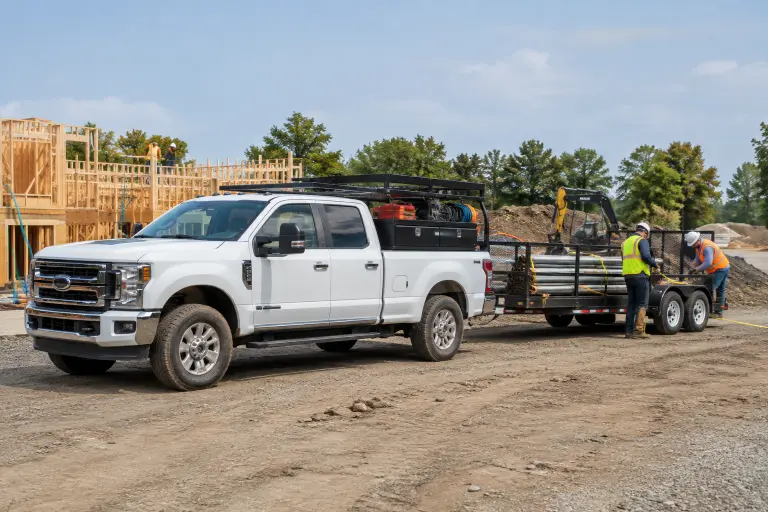
Key Takeaways
- Choose equipment based on daily work, cargo, routes, and job-site conditions.
- Account for the weight of tools, passengers, accessories, fuel, and trailer tongue weight.
- Keep cargo secure, organized, visible, and easy to reach.
- Check fit, clearance, wiring, and factory vehicle ratings before installation.
- Inspect mounts, locks, lights, straps, and trailer connections regularly.
A productive work truck is built around the jobs it performs, not around appearance alone. Whether it supports a contractor, landscaper, delivery driver, utility crew, or mobile repair technician, the right setup should make loading, driving, unloading, and securing equipment simpler.
Start by identifying the daily problems the truck needs to solve, then choose equipment that supports those needs. More details can help illustrate the range of storage, towing, protection, and access options that may be relevant to a practical truck plan.
1. Start With the Job
List every item carried on a normal day, including tools, parts, materials, safety gear, and job-specific equipment. Also note where time is lost. A repair crew that repeatedly searches for hand tools may benefit from putting those tools in labeled, rear-accessible storage, while rarely used equipment can stay farther forward.
Consider routes, parking restrictions, trailer use, weather, rough ground, and the number of people who use the truck. Separate everyday cargo from occasional items so the bed and cab are not burdened with unnecessary weight.
2. Plan the Load Before Buying Equipment
Payload is the weight the truck can carry, while towing capacity addresses the trailer it can pull. Gross vehicle weight rating is the manufacturer’s maximum loaded vehicle weight. Toolboxes, racks, covers, passengers, fuel, materials, and trailer tongue weight all affect the load carried by the truck.
Place dense items low, balance weight from side to side, and keep cargo from sliding. The risk of unsecured road debris is serious: NHTSA reports that crashes involving objects in the road kill about 850 people and injure nearly 19,000 people each year.
3. Improve Storage and Cargo Control
Organization protects tools and reduces wasted movement. Lockable boxes, drawer systems, small-parts bins, vertical racks, covered bed space, and dedicated tie-down points can all serve a purpose when selected for the actual workflow.
Simple Organization Rules
- Give each tool and supply a fixed location.
- Keep heavy equipment low and near the truck’s center.
- Put daily-use items within easy reach.
- Label bins and compartments clearly.
- Secure every loose item before driving.
4. Choose Towing Gear Carefully
A hitch is not a one-size-fits-all upgrade. Match the hitch, coupler, safety chains, wiring, brake controller, and other equipment to the loaded trailer and the truck’s factory ratings. The equipment cannot increase the truck’s rated payload or towing capacity.
Before towing, confirm the loaded trailer weight, tongue weight, brake requirements, and likely road conditions. For interstate commercial operations, cargo securement rules also address how loads must be restrained from shifting or falling.
5. Protect the Truck From Daily Wear
Protection should match the work environment. Bed protection can help with tools and abrasive materials. Covers can shield weather-sensitive cargo and reduce tool visibility. Ladder or cab-protection systems can help manage long materials, while steps can make repeated entry and exit easier.
Every addition has trade-offs. Extra equipment adds weight, may affect clearance or visibility, and can reduce the payload remaining for work materials.
6. Support Driver Safety and Comfort
Review mirrors, cameras, exterior lighting, steps, door clearance, warning equipment, and wiring routes. The setup should not obstruct windows, sensors, trailer access, or normal vehicle controls. Trucks operating near traffic also need clear visibility and a predictable place for workers to move around the vehicle.
7. Check Fit, Clearance, and Vehicle Limits
Confirm the truck’s year, make, model, cab style, bed length, tire size, and factory equipment before ordering components. Check tailgate movement, tire clearance, exhaust clearance, camera locations, hitch access, electrical capacity, and fuse protection.
Suspension changes, electrical accessories, towing systems, and safety equipment deserve careful installation and testing. A loaded road test can reveal rubbing, loose hardware, shifting cargo, poor visibility, or trailer-light problems before a demanding job day.
8. Follow a Simple Build Process
- Write down the truck’s main duties and typical routes.
- Record normal passenger, cargo, and trailer weights.
- Identify the largest workflow and safety problems.
- Address storage and cargo control first.
- Add towing, protection, or access equipment as needed.
- Recheck weight, clearance, lighting, and visibility after each change.
9. Maintain the Setup Throughout
Inspect mounting bolts, brackets, locks, hinges, latches, straps, chains, tie-down points, trailer plugs, lights, and tires at regular intervals. Seasonal conditions matter too. Road salt, dust, heat, ice, and heavy rain can accelerate wear or expose weaknesses in seals, wiring, and hardware.
Drivers should report rattles, damaged mounts, sticking drawers, loose cargo, and changes in handling promptly. Small repairs are usually easier to manage before they create downtime.
10. Common Questions
What should be added to a basic work truck first?
Prioritize secure storage, dependable tie-down points, clear visibility, and safe entry. Cosmetic upgrades can wait until the truck reliably supports daily work.
Can added equipment reduce payload?
Yes. Any rack, box, cover, service body, tool, passenger, or supply carried by the truck uses part of its available payload.
Do all work trucks need suspension upgrades?
No. Consider suspension changes only after reviewing normal loads, handling, terrain, and manufacturer limits. Upgrades should support safe operation, not encourage overloading.
Final Thoughts
The best work-truck setup is the one that carries the right equipment securely, protects the vehicle, keeps tools accessible, and stays within factory limits. A deliberate plan can reduce clutter, improve daily workflow, and help the truck remain useful for years.
Also Read

Add a Comment