Plumbing problems have a habit of starting quietly. A slow drip, sluggish drain, or slight change in water pressure can seem harmless until moisture reaches flooring, walls, cabinets, or other vulnerable parts of the home. In Cincinnati, where the estimated population reached 314,367 in 2025, keeping household systems in good condition is an important part of protecting a property from avoidable damage. The good news is that plumbing systems often provide clues before a serious failure occurs. Knowing which changes deserve attention can help you respond before a manageable repair becomes a disruptive emergency.
A Small Leak Can Create a Much Bigger Problem
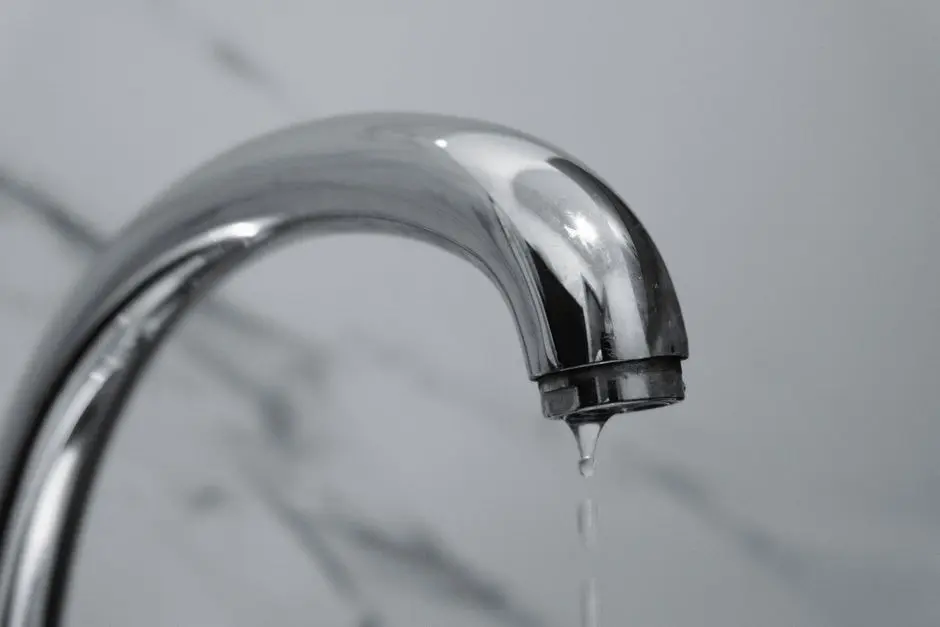
A dripping faucet is easy to notice, but hidden leaks can be more troublesome. Water may escape around pipe connections, supply lines, toilets, or plumbing concealed behind walls long before a visible puddle appears.
Look for unexplained stains, peeling paint, warped materials, musty odors, or damp areas inside cabinets. An unexpected increase in water usage can also justify further investigation.
Moisture that remains trapped around building materials can contribute to deterioration and create conditions where mold can develop. Instead of assuming a small stain has dried and disappeared for good, monitor the area to see whether it returns.
Finding the source matters more than simply covering the visible evidence.
Water Heater Warnings Can Escalate Quickly
A water heater usually provides clues when something is changing.
Unusual rumbling, inconsistent hot water, discolored water, or visible moisture around the unit can all justify attention. Some symptoms may be associated with sediment or individual components, while leakage from the tank itself can indicate a more significant problem.
If these concerns appear, Halpin Plumbing, a Cincinnati plumbing company, can assess household plumbing problems involving water heaters, leaking pipes, drains, and other issues that may require professional diagnosis or repair.
Water collecting around a heater should not simply be wiped away and forgotten. Determine where it came from and whether it returns. Addressing the source promptly can help limit damage to nearby flooring and materials.
Recurring Clogs May Point Deeper Into the System
An occasional slow drain does not necessarily indicate a major plumbing problem. Hair, soap residue, food particles, and grease can all interfere with individual drains.
Repeated clogs are different.
If the same fixture regularly slows down after being cleared, the obstruction may be farther along the line. When several fixtures begin draining poorly at roughly the same time, the problem may involve a larger section of the drainage system.
Pay attention to accompanying symptoms such as gurgling or water appearing in another fixture when a toilet is flushed or a sink drains.
Repeatedly pouring aggressive chemicals into the drain is not a substitute for identifying why the blockage keeps returning. Persistent problems deserve a more complete diagnosis.
Low Water Pressure Deserves Investigation
A weak shower may be inconvenient, but changes in water pressure can also reveal plumbing problems.
If only one faucet has poor flow, a clogged aerator or fixture-specific issue may be responsible. When pressure drops throughout the home, the possibilities become broader.
Leaks, valve problems, mineral accumulation, and deteriorating supply pipes can all affect flow. The important clue is whether the change is isolated or widespread.
Do not overlook sudden changes simply because water is still flowing. Compare several fixtures and note whether both hot and cold water are affected.
A little observation can help distinguish a minor fixture issue from something requiring closer inspection.
Sewer Trouble Often Gives You Some Warning
Problems farther down the drainage system can initially look like ordinary clogs.
Gurgling toilets, recurring slow drains, unpleasant drain odors, or wastewater appearing where it should not can indicate a more serious drainage problem. When several fixtures are affected simultaneously, the situation deserves particular attention.
Understanding the common signs of a sewer backup can help distinguish an isolated clogged fixture from a problem involving a larger drainage line.
Avoid continuing to run water when wastewater is actively backing up. Adding more water to an already compromised drainage system can make the situation worse.
Sewer-related problems are also a good example of why patterns matter. One slow sink may be minor; several fixtures behaving strangely at once tell a different story.
Freezing Weather Can Put Vulnerable Pipes at Risk
Water expands when it freezes, placing significant pressure on the material containing it. Pipes in unheated or poorly insulated areas can therefore become vulnerable during freezing conditions.
Supply lines near exterior walls, garages, crawl spaces, basements, and other exposed areas deserve attention before cold weather arrives.
Basic frozen-pipe prevention includes insulating vulnerable pipes, disconnecting outdoor hoses, protecting outdoor water connections, and keeping indoor temperatures reasonably consistent during severe cold.
A frozen pipe may not immediately produce visible water damage. Leakage can become apparent as the pipe thaws and water begins moving through a damaged section.
If a faucet suddenly produces little or no water during freezing weather, investigate cautiously rather than assuming the fixture itself has failed.
Unusual Plumbing Sounds Can Be Useful Clues
Plumbing does not need to operate silently, but sudden changes in sound can provide valuable information.
Banging after a faucet closes, persistent gurgling from drains, whistling near valves, or the sound of running water when fixtures are off can all deserve investigation.
The sound alone may not identify the exact cause, but its timing can help. Notice whether it happens when a particular appliance operates, after a toilet flushes, or when hot water is being used.
If you hear water moving behind a wall when nobody is using a fixture, check your surroundings for moisture and consider whether professional leak detection is appropriate.
Homes often provide audible warnings before plumbing trouble becomes visible.
Know Where DIY Plumbing Should Stop
Some plumbing maintenance is reasonably approachable. Cleaning an aerator, replacing a simple fixture component, or using a plunger on an ordinary clog may fall comfortably within a homeowner’s abilities.
Other problems should not become experiments.
Active leaks inside walls, repeated sewer backups, unexplained system-wide pressure loss, significant water heater leakage, and damaged main lines generally require proper diagnosis and equipment.
Before attempting any repair, consider what happens if the job goes wrong. A mistake involving a decorative fitting is very different from a mistake involving a pressurized water line.
Knowing your limits can be just as valuable as knowing how to use a wrench.
Early Attention Is Usually the Better Strategy
Plumbing emergencies are not always preventable, but many serious problems begin with smaller warning signs.
A stain that keeps returning, a drain that repeatedly slows, a sudden pressure change, or an unfamiliar sound should not automatically trigger panic. It should trigger attention.
Watch for patterns and address the underlying cause rather than repeatedly treating the symptom. Keep an eye on exposed plumbing, know where the main water shutoff is located, and take visible leakage seriously.
The goal is not to call for help every time a faucet drips. It is to recognize when an ordinary maintenance issue starts behaving like something more significant.
Your plumbing works mostly out of sight, which makes it easy to forget until something goes wrong. Paying attention to its quieter warnings can help protect your home, reduce unnecessary damage, and make the occasional repair far easier to manage.
Also Read

Add a Comment