

How big is 5 cm? 5 cm equals 1.97 inches, 0.16 feet, 0.05 meters, and 50 millimeters. It’s just slightly under 2 inches — small, compact, and easy to overlook unless you visualize it properly.
But numbers alone rarely help. When people search how big is 5 cm, they usually want to picture it in real life. Is it finger-length? Coin-sized? Big enough to notice? The truth is, 5 centimeters shows up more often than you think — in everyday objects, packaging dimensions, tech accessories, and even growth measurements.
Once you connect the measurement to real-world examples, it becomes instantly recognizable — and surprisingly practical.
5 cm Conversion Table
| Measurement Unit | Value |
| Centimeters | 5 cm |
| Inches | 1.97 inches |
| Feet | 0.16 feet |
| Meters | 0.05 meters |
| Millimeters | 50 mm |
If you’re wondering how long is 5 cm in practical terms, it’s very close to 2 inches — just slightly shorter.
What Does 5 cm Look Like?
When people ask how big is 5 cm, they usually want a visual idea — not just numbers.
Five centimeters is about the length of your thumb from the knuckle to the tip (for many adults). It’s roughly the width of a standard business card’s shorter side. It’s small enough to fit easily in your palm, but large enough that you wouldn’t overlook it on a table.
It’s the kind of measurement you see often in everyday life — small packaging dimensions, craft materials, small tech accessories, or minor product components.
Think of it as the size category between “tiny detail” and “medium object.” It’s noticeable, but compact.
Daily Objects That Are About 5 cm Long
Below are practical examples of things that are 5 cm or very close to it. These comparisons make it easier to answer the question: how much is 5 centimeters in real life?
1. A Large Paper Clip
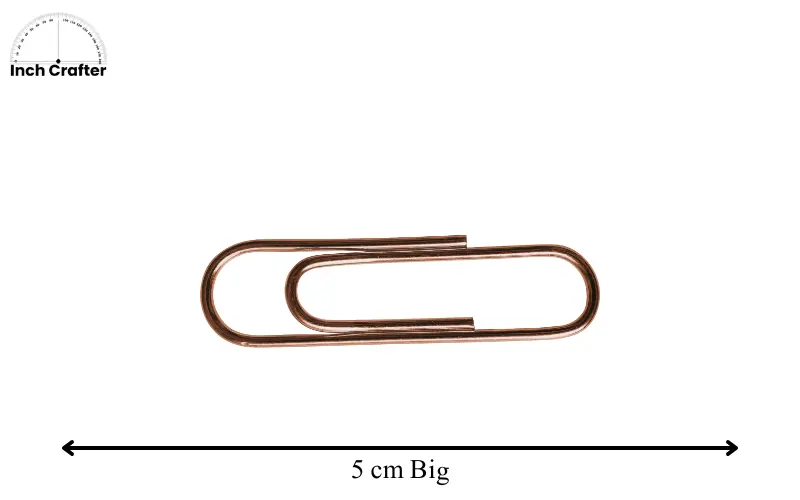
A jumbo paper clip is often around 5 cm long. You’ll commonly see these in offices or school supply stores.
Unlike the small paper clips used for a few sheets, larger ones are designed to hold thicker stacks of paper. Their size makes them sturdy and easy to grip. If you’ve ever clipped together documents or reports, you’ve probably handled something very close to 5 cm without realizing it.
Because it’s thin yet clearly visible, a paper clip is a practical way to visualize 5 cm — long enough to be functional, short enough to fit easily in your pocket.
2. The Width of Two Golf Tees
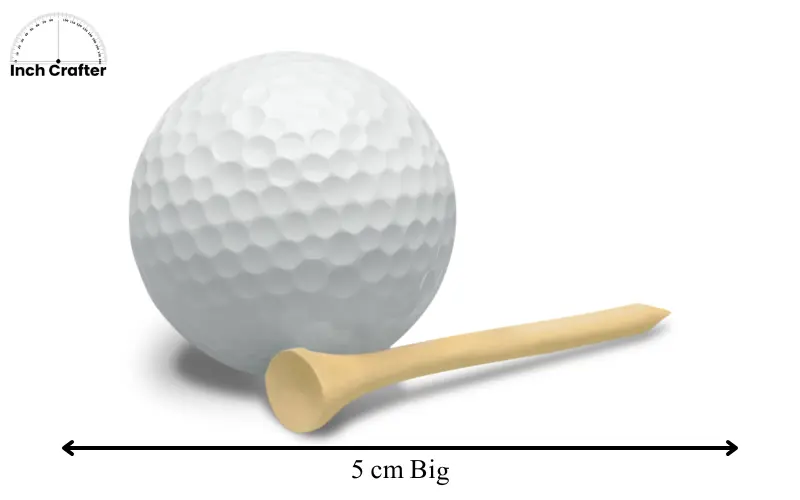
A single standard golf tee is about 5–6 cm tall. When placed upright, it’s a near-perfect reference.
Golfers use tees to elevate the ball before driving. The height matters because it affects the angle and impact of the swing. If you’ve ever seen a tee placed in the ground before a drive, that height gives you a clear picture of how long 5 cm really is.
It’s slim and lightweight, but when you hold it in your fingers, you realize 5 cm is more substantial than you first imagined.
3. A Matchstick (Without the Head)
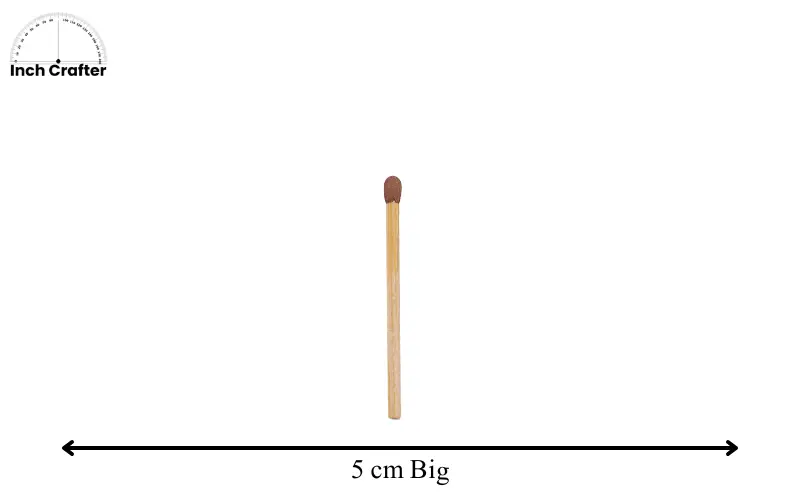
A typical wooden matchstick measures around 4.5 to 5 cm.
You’ve likely seen matchsticks in kitchens, camping kits, or survival gear. They’re long enough to hold safely while lighting something, yet small enough to store easily in a box.
Because they’re common and easy to picture, matchsticks make one of the clearest comparisons when thinking about how long is 5 cm.
4. The Height of a Standard Dice Stack (Two Dice)
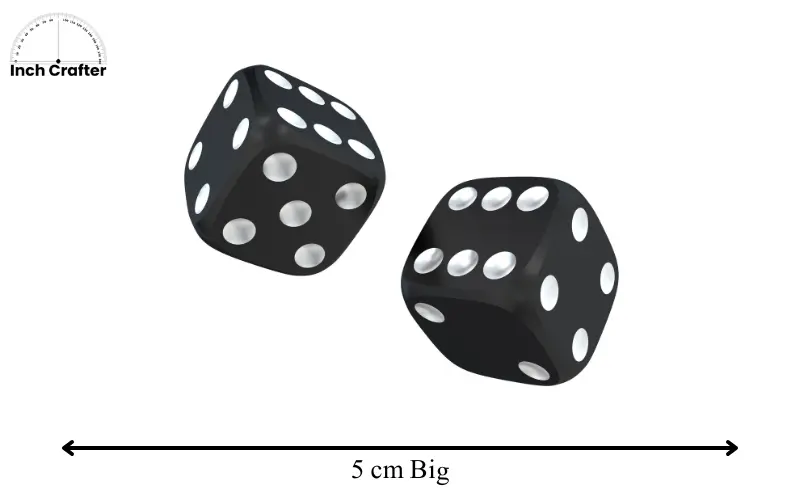
A single standard dice is about 1.6 cm tall. Stack three together and you get close to 5 cm.
Board game lovers may recognize this instantly. Whether it’s a family game night or a strategy game session, stacking dice gives you a quick and physical sense of this length.
It’s a simple visual trick that works especially well for kids learning measurements.
5. A Small Binder Clip
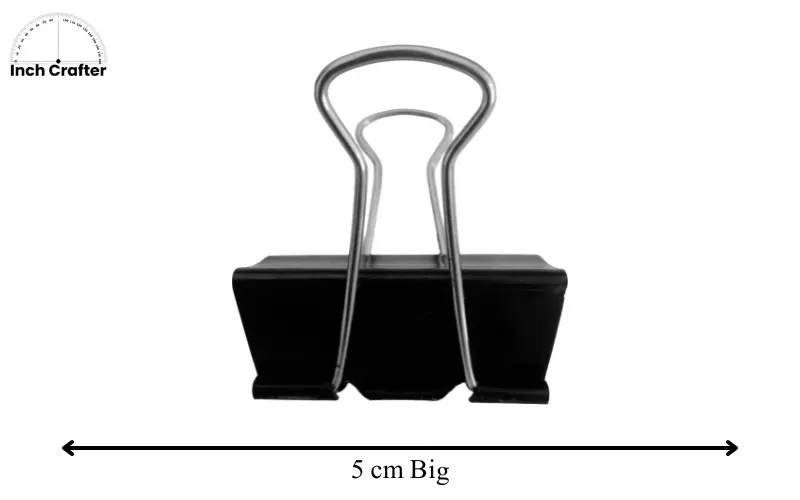
Mini binder clips often measure roughly 5 cm across.
These are used in offices, classrooms, and home organization. They’re strong enough to clamp multiple sheets of paper and small enough to fit inside a drawer compartment.
If you’ve ever clipped together receipts or homework pages, you’ve likely handled something very close to 5 centimeters.
6. A Credit Card’s Short Edge (Nearly)
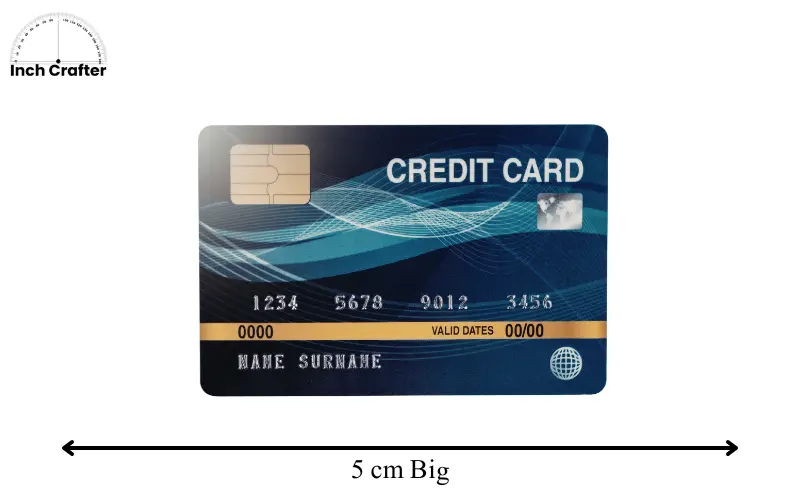
A standard credit card measures about 8.5 cm in width. Half of that is around 4.25 cm, so 5 cm is slightly longer than half the width of a card.
Since most adults carry a card daily, this comparison is practical and easy to remember. If you imagine a line just past the halfway point across your card, that’s about 5 cm.
7. A Small USB Flash Drive (Without Cap)
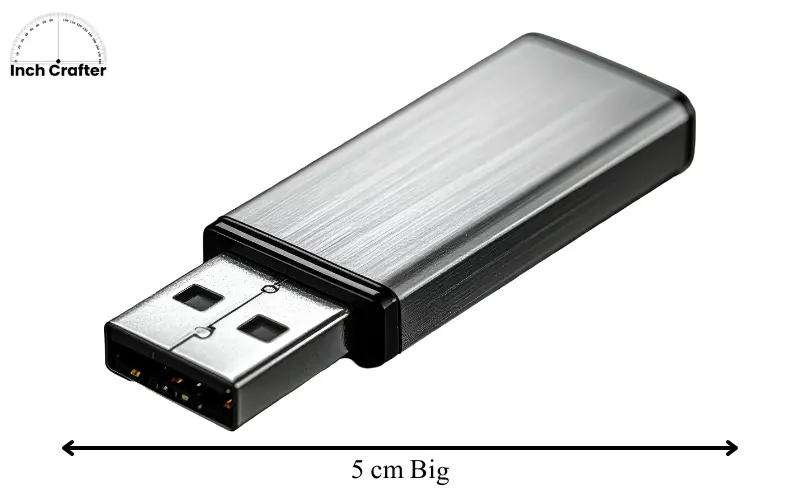
Many compact USB flash drives measure around 5 cm long.
These devices are used for transferring data, storing documents, and backing up files. Because they’re designed to be portable, their size is intentionally small but functional.
Holding a USB drive in your hand gives you a strong physical reference for what 5 cm feels like.
8. The Diameter of a Large Bottle Cap
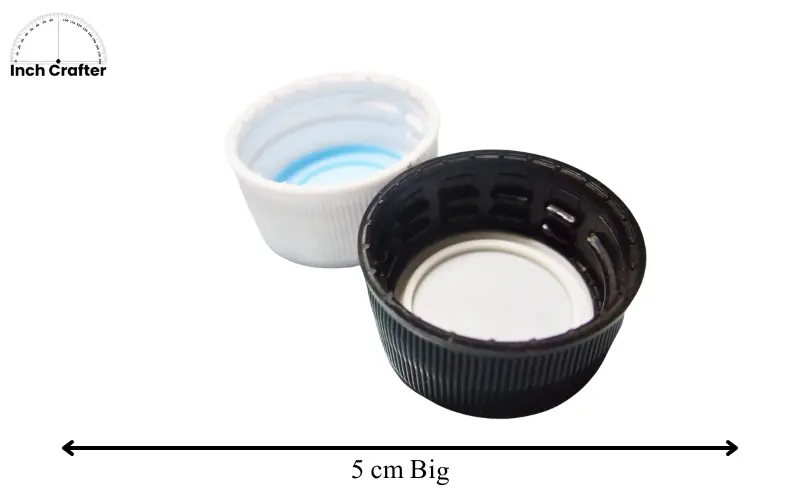
Some larger beverage bottle caps measure close to 5 cm across.
While standard soda caps are smaller, specialty drink bottles or sports drink lids can approach this measurement.
It’s a helpful comparison because bottle caps are circular — reminding you that 5 cm doesn’t only apply to length, but also diameter.
9. A Tealight Candle Diameter
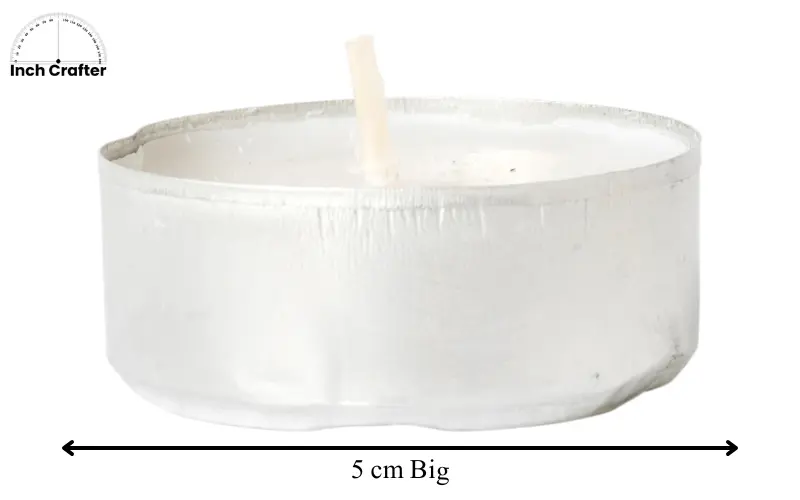
Many tealight candles are around 4–5 cm wide.
These are commonly used in home décor, aromatherapy, and restaurants. When placed on a table, they look small — but not tiny.
If you picture the round base of a tealight candle, you’re visualizing very close to 5 cm.
10. A Child’s Crayon Length (Used)
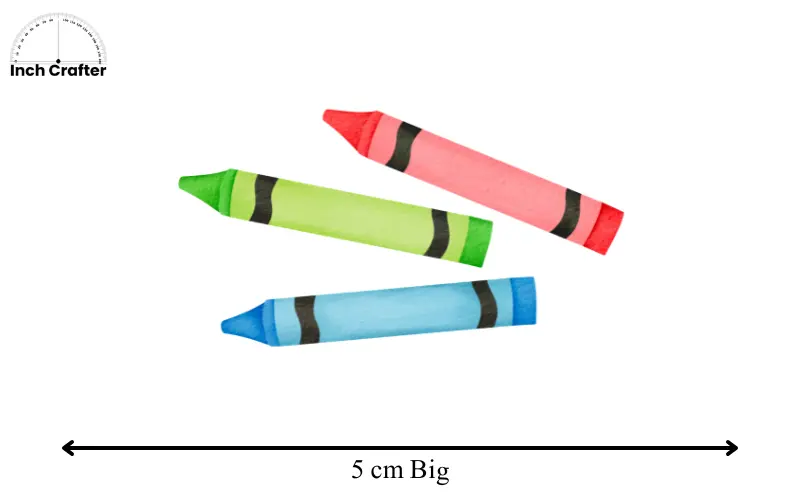
A brand-new crayon is longer than 5 cm, but once partially used, it often shrinks to about that size.
Teachers and parents frequently see crayons worn down to this length. At that stage, they’re still usable but noticeably shorter.
It’s a relatable household example that makes the measurement feel real.
How to Measure 5 cm at Home Without a Ruler
If you don’t have a ruler nearby, here are practical ways to estimate 5 centimeters accurately:
1. Use Your Thumb
For many adults, the length of the thumb from knuckle to tip is close to 5 cm. It won’t be exact, but it’s surprisingly close.
2. Fold a US Dollar Bill (Reference Width)
A US dollar bill is about 6.14 cm tall. Slightly less than that height is around 5 cm. If you estimate just under the short side, you’re close.
3. Smartphone Width Reference
Many smartphones are 7–8 cm wide. Two-thirds of that width is roughly 5 cm. Eyeballing that proportion works well.
4. Stack Coins
If you know the diameter of common coins in your country, stacking or aligning them side by side can help approximate 5 cm.
5. Print a 5 cm Guide
Search online for a printable centimeter guide and print at 100% scale. It’s quick and accurate if you have access to a printer.
Is 5 cm Big or Small?
The answer depends entirely on context.
Compared to Luggage
On a suitcase, 5 cm is a small design detail — maybe the width of a zipper tab or handle thickness.
Compared to Screens
On a phone screen, 5 cm is noticeable. It’s about the height of an app icon row cluster.
Compared to Furniture
On furniture, 5 cm is minor. It might represent the thickness of a table edge or a small decorative trim.
Compared to Height
If someone grows 5 cm taller, that’s significant. It’s nearly 2 inches — very noticeable in children or teenagers.
Compared to Everyday Objects
For household items, 5 cm usually falls in the small-object category. It’s bigger than tiny hardware pieces but smaller than most handheld tools.
So is it big or small? In daily life, it’s small — but in human growth or medical measurements, it can be quite meaningful.
Are you curious about more measurements? Here we have for you:
- 10 Common Things That Are Exactly 2cm Big
- 12 Common Things That Are Exactly 25 Inches Long
- 10 Common Things That Are Exactly 24 Inches Long
- 10 Common Things That Are Exactly 23 Inches Long
FAQs
Is 5 cm exactly 2 inches?
No. 5 cm equals 1.97 inches, which is slightly less than 2 inches.
How much is 5 centimeters in millimeters?
5 centimeters equals 50 millimeters.
How long is 5 cm on a ruler?
On a standard metric ruler, it’s the mark between 0 and 5 labeled centimeters — exactly halfway between 0 and 10 cm.
Is 5 cm considered small in medical measurements?
It depends on context. In some medical situations, 5 cm can be considered moderate or significant. In everyday measurement terms, it’s small.
Can I estimate 5 cm using my hand?
Yes. For many adults, thumb length is close to 5 cm, making it a useful quick reference.
What is 5 cm in feet?
5 cm equals approximately 0.16 feet.
Conclusion
Five centimeters might seem like a minor measurement at first glance, but context changes everything. In furniture or luggage design, it’s a small structural detail. In personal growth, it’s noticeable progress. In packaging or product dimensions, it can determine fit, usability, or compatibility. Measurement only becomes meaningful when you connect it to real life.
That’s why understanding how much is 5 centimeters goes beyond simple conversion. When you can visualize it — whether as the length of your thumb, a compact USB drive, or a large paper clip — the number stops being abstract. It becomes familiar. Practical. Instantly understandable.
The more you train yourself to see measurements in everyday objects, the less you’ll need rulers or conversion charts. And once you clearly recognize what 5 cm looks like, you’ll start spotting it everywhere — from small design details to surprisingly important size differences.
That’s the real power of understanding size: clarity in the details.

Add a Comment