
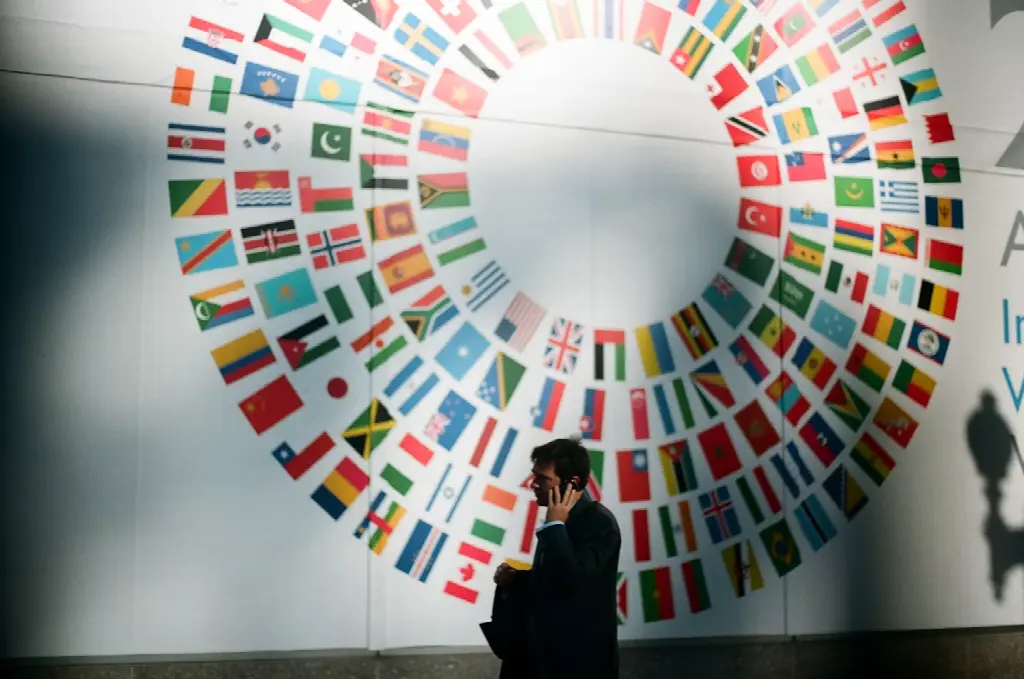
When Argentina’s national team takes the field, the sky-blue and white stripes ripple through packed stadiums from Buenos Aires to Qatar. When Brazil scores, a sea of green and yellow erupts in celebration. These moments reveal something fundamental about sports in Latin America: flags aren’t mere decoration—they’re the visual heartbeat of national identity.
Across Latin America, flags serve as powerful connectors between athletes and supporters, transforming individual performances into collective experiences. They represent centuries of history, independence struggles, and cultural pride condensed into fabric and color. Understanding their role in sports means understanding how identity, emotion, and competition intertwine in one of the world’s most passionate sporting regions.
Why Flags Matter on the Field
Latin American flags occupy a unique space in sports culture, functioning simultaneously as symbols, rallying points, and emotional anchors. During major competitions, these banners transform stadiums into visual representations of national character.
Their presence serves several interconnected purposes:
- Identity markers: Flags instantly communicate which nation a team represents, creating immediate recognition and tribal affiliation among global audiences.
- Unifying symbols: They bridge socioeconomic divides, regional differences, and political divisions—a factory worker and a corporate executive wave the same colors with equal fervor.
- Performance catalysts: Athletes frequently cite the sight of their national colors in the stands as a source of motivation during crucial moments.
- Historical continuity: Each flag carries the weight of past victories and defeats, connecting current competitions to decades of sporting tradition.
The emotional resonance runs deeper than simple patriotism. National symbols can significantly influence group cohesion and individual performance under competitive conditions. In Latin American contexts, where sports often serve as outlets for national expression, this effect intensifies.
Reading the Symbols: What Latin American Flags Communicate
Latin American flags aren’t arbitrary designs—they’re visual narratives encoding independence movements, geographic features, and cultural values. The colors and symbols that appear across the region’s banners tell stories that resonate during every match.
Common elements carry specific meanings:
- Stars: Typically represent states, provinces, or aspirations toward unity and progress—Venezuela’s eight stars commemorate historical provinces.
- Sun imagery: Argentina’s Sun of May symbolizes the May Revolution and independence, appearing prominently during World Cup celebrations.
- Blue shades: Often reference the Pacific or Atlantic oceans that border many nations, or the sky above the continent.
- Green tones: Signify the region’s rich forests, agricultural heritage, and natural resources—particularly prominent in Brazil’s flag.
- Red elements: Almost universally commemorate the blood shed during independence wars against colonial powers.
These design choices aren’t static museum pieces. During the Copa América or World Cup qualifiers, commentators and fans regularly invoke flag symbolism to frame narratives about national character and sporting destiny.
From World Cups to Olympics: Flags in Major Competitions
Latin American flags reach their highest visibility during international sporting events, where they transform from national symbols into global spectacles. The sheer volume and creativity of flag displays at these competitions has become a defining characteristic of Latin American fan culture.
Major events showcase this phenomenon:
- FIFA World Cup: Latin American supporters are renowned for creating massive flag displays—tifo choreography that can cover entire stadium sections. The 2014 World Cup in Brazil featured some of the most elaborate flag-based displays in tournament history.
- Copa América: South America’s premier football tournament becomes a traveling exhibition of regional flag diversity, with each host city transformed by the colors of competing nations.
- Olympic Games: Opening ceremonies feature athletes carrying their national flags in moments that often generate more emotional response in Latin American countries than the competitions themselves.
- Pan American Games: This regional multi-sport event highlights the variety of Central and South American flags in a context that emphasizes continental unity alongside national competition.
Displaying Flags with Respect
The passion surrounding Latin American flags in sports comes with expectations about proper handling and display. While enforcement varies by country, understanding basic flag etiquette demonstrates respect for the symbols and the nations they represent.
Key principles include:
- Physical care: Flags should never touch the ground or be allowed to become tattered—a principle taken seriously by supporter groups who invest in high-quality materials.
- Positioning hierarchy: When multiple flags appear together, the national flag typically occupies the central or highest position, with regional or club flags positioned subordinately.
- Proper storage: Between uses, flags should be folded respectfully and stored in conditions that prevent damage or discoloration.
- Contextual appropriateness: Flags shouldn’t be used as capes, clothing, or decorative tablecloths—practices that some cultures consider disrespectful despite their popularity in certain fan contexts.
- Nighttime display: If flags remain visible after dark, they should be illuminated to maintain visibility and dignity.
Different Latin American countries maintain specific flag codes, often rooted in military tradition. While enforcement in sporting contexts is generally relaxed, organized supporter groups—particularly the barras bravas of South American football—often develop their own internal standards for flag display that members are expected to follow.
The Psychology of Flags: Unity, Pride, and Performance
The impact of flags extends beyond symbolism into measurable effects on team dynamics and competitive outcomes. Sports psychologists have documented how national symbols influence both athlete performance and fan engagement in ways that matter for results.
The mechanisms include:
- Collective identity formation: Flags provide a focal point for transforming individual spectators into a unified crowd, creating the intimidating home-field advantage that Latin American stadiums are famous for.
- Emotional amplification: The presence of national colors intensifies emotional responses to game events—goals feel more triumphant, defeats more devastating.
- Confidence enhancement: Athletes report that seeing their flag in foreign stadiums provides psychological reassurance, a visual reminder of support from home.
- Historical connection: Flags link current players to legendary predecessors who competed under the same colors, creating a sense of legacy and responsibility.
The fan perspective matters equally. Supporter culture in Latin America treats flag-waving as participatory performance, not passive observation. The coordinated flag displays that characterize major matches require planning, investment, and collective action—transforming spectators into active contributors to the sporting spectacle.
Why These Symbols Endure
Latin American flags have maintained their central role in sports despite decades of commercialization, globalization, and changing fan demographics. Their persistence reflects something fundamental about how communities in the region understand sports—not as entertainment products, but as expressions of collective identity.
The key elements of their significance include:
- Unifying force: In regions marked by inequality and division, flags create rare moments of genuine unity across social boundaries.
- Cultural continuity: The colors and symbols connect contemporary fans to independence struggles, historical triumphs, and shared cultural narratives that extend far beyond sports.
- Emotional authenticity: Unlike corporate logos or commercial branding, national flags carry meanings that fans genuinely feel rather than meanings imposed by marketing.
- Democratic symbolism: A flag belongs equally to everyone—the wealthy executive and the working-class supporter wave identical symbols with equal claim to ownership.
Understanding and respecting Latin American flags in sporting contexts means recognizing them as more than colorful decoration. They represent the intersection of history, identity, and passion that makes sports matter beyond the final score. For players and fans alike, these symbols transform competitions into something larger—moments when individual achievement becomes national narrative, and athletic performance becomes cultural expression. That reverence extends to how the flags themselves are sourced: fans looking to display their colors authentically, rather than settling for a mass-produced approximation, often turn to dedicated suppliers like Flags Importer, 1-800 Flags, or Tidmore Flags, each offering accurate colors and proportions true to the official design.
Also Read-The Modern Guide to Online Casinos: Seamless Revolut Payments and Emerging Gaming Platforms

Add a Comment