
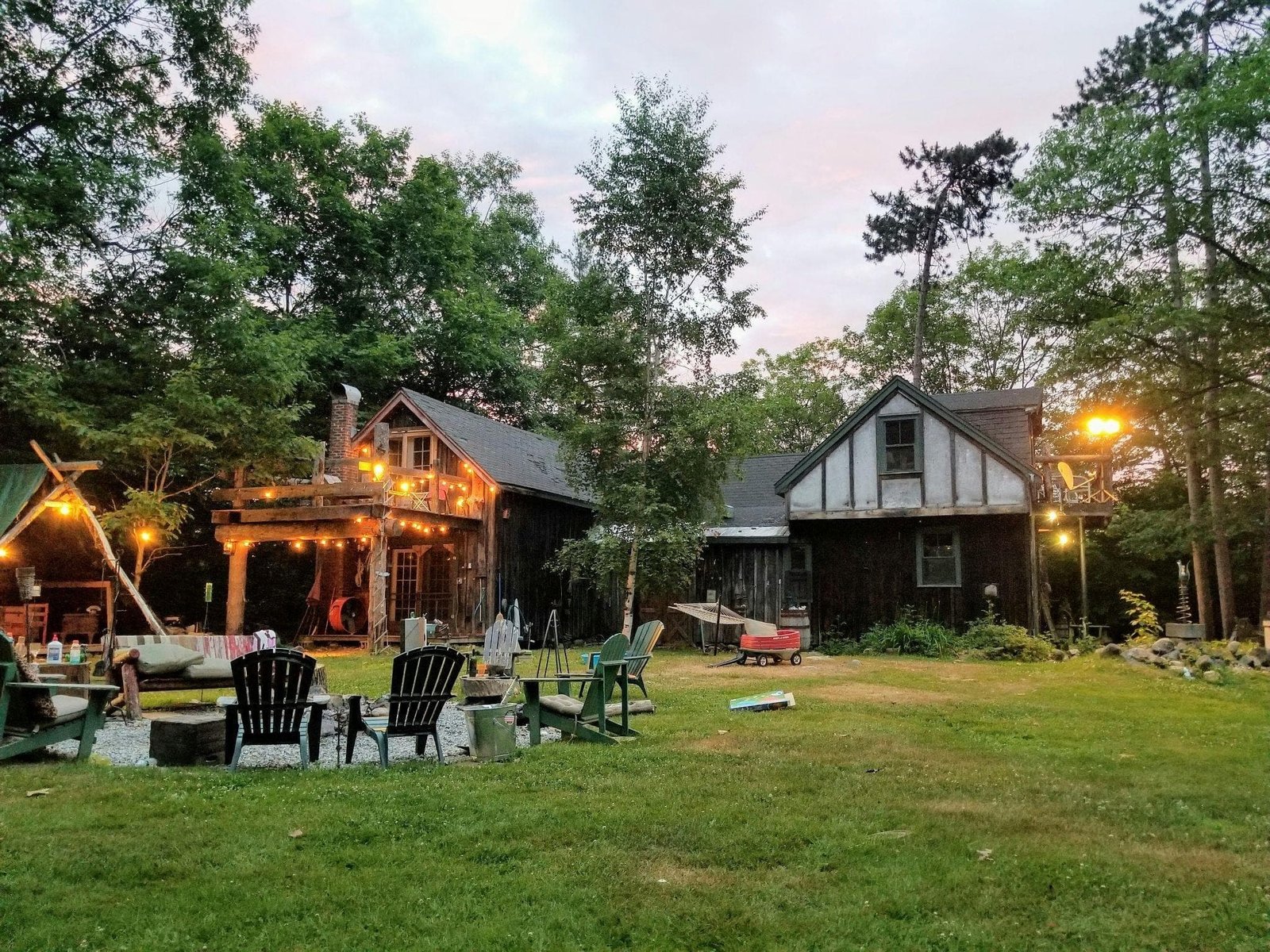
There is a particular kind of fatigue that arrives after a day spent toggling between tabs, messages, and streaming platforms: not quite exhaustion, more a longing for a different tempo. The backyard is becoming a much-needed respite. A place to contemplate, water something growing, or linger through dinner without a device lighting up the table.
That shift is showing up in the market. In the National Association of Realtors’ latest outdoor-features report, homeowners gave completed exterior projects a typical “Joy Score” of 9.7 out of 10; 68 percent said the work made them want to be at home more. Beauty was the most frequently cited outcome, ahead of functionality. The new brief is not simply to add square footage outdoors, but to create a setting that makes being offline feel like a true pleasure.
The garden as a sequence, not a stage set
For years, many backyards were designed around a single, photogenic gesture: an oversized sofa grouping or a fire pit. Today’s more compelling gardens unfold slowly. Think of a shaded morning chair near aromatic planting, a small table positioned to catch the late sun, and a tucked-away bench that serves no obvious entertaining purpose at all.
This is design with a little narrative. Paths, thresholds, and changes in texture invite movement, giving the eye and the mind something to do besides scroll. A mosaic garden path, made with reclaimed tile or stone offcuts, can become a wonderfully low-tech focal point: tactile underfoot, irregular in the right way, and entirely unconcerned with appearing polished.
The appeal is variety. One should feel the distinction between the dining terrace and the gravel beneath a pear tree. A garden that asks you to wander is more restorative than one that reveals itself in a single glance.
Sensory planting is taking centre stage
The next generation of luxury landscaping is more interested in scent, sound, and seasonality than in endless swathes of clipped green. Lavender, thyme, mint and salvias offer a brush-with-the-hand kind of abundance. Ornamental grasses animate the perimeter with a soft rustle. Trees with generous canopy, such as multi-stem birch, serviceberry, hornbeam, create the feeling of enclosure without closing off the sky. A garden that is alive with birds, pollinators and shifting shadows has built-in entertainment. It does not need a screen to hold attention.
Outdoor rooms with fewer instructions
To design a truly pleasant backyard, it’s important to leave room for the accidental pleasures of outdoor life: a lounge chair pulled into the sun, children spreading a blanket on the grass, someone taking a phone call and then, mercifully, forgetting about it.
A simple pergola is evolving from a decorative accessory into a climate tool. Slatted timber, climbing vines and linen-like outdoor curtains provide dappled light and a little privacy, Simple Pergola ideas are evolving from a decorative accessory into a climate tool. Slatted timber, climbing vines and linen-like outdoor curtains provide dappled light and a little privacy, extending the use of the garden through hotter afternoons and cool evenings.
A simple Louvered Pergola is evolving from a decorative accessory into a climate tool. Slatted timber, climbing vines and linen-like outdoor curtains provide dappled light and a little privacy
For entertaining, the mood is similarly unfussy. A generous table, a good lantern, a basket for throws and an outdoor cooking station that does not resemble a commercial kitchen are usually enough.

Low-glare lighting and the return of darkness
There is no point in lighting a garden as if it were a retail display. The new preference is for pools of warm, low-level illumination: a lantern by the steps, a subtle wash on a specimen tree, a few small fixtures to make the walk back to the house feel safe enough.
Darkness is part of the design. It restores mystery to the garden and lets the sky do some of the work. Avoiding glare also makes the space kinder to nocturnal wildlife and more calming for people whose eyes have spent all day adjusting to blue light.
Materials are following the same principle. Limewashed walls, oiled timber, handmade brick, gravel and weathered metal improve with use. Even mosaics are returning in limited, artisanal forms, often as a small detail on a fountain surround or garden table rather than a maximalist statement.
Growing something is the new luxury
The most convincing way to disconnect is to have a reason to step outside. A modest cutting bed, a row of herbs near the kitchen door or a pair of espaliered fruit trees can do more for daily ritual than an expensive garden gadget. These are not projects that demand expertise; they are invitations to pay attention.
The Royal Horticultural Society reports that around 41 million people in the UK gardened at least monthly in 2024, while 60 percent of the population took part in some form of regular gardening. The enduring appeal is easy to understand. Gardening offers visible progress, changing light and an end result that cannot be refreshed into existence.
The most appealing backyards of the moment are therefore not asking us to abandon comfort. A beautiful chair under a tree, dinner that runs late, hands smelling faintly of rosemary: these are small, sensory luxuries – and they happen to be far more memorable than anything on a screen.
Also Read-Tech Leader Onboarding Checklist for High-Growth Companies

Add a Comment