
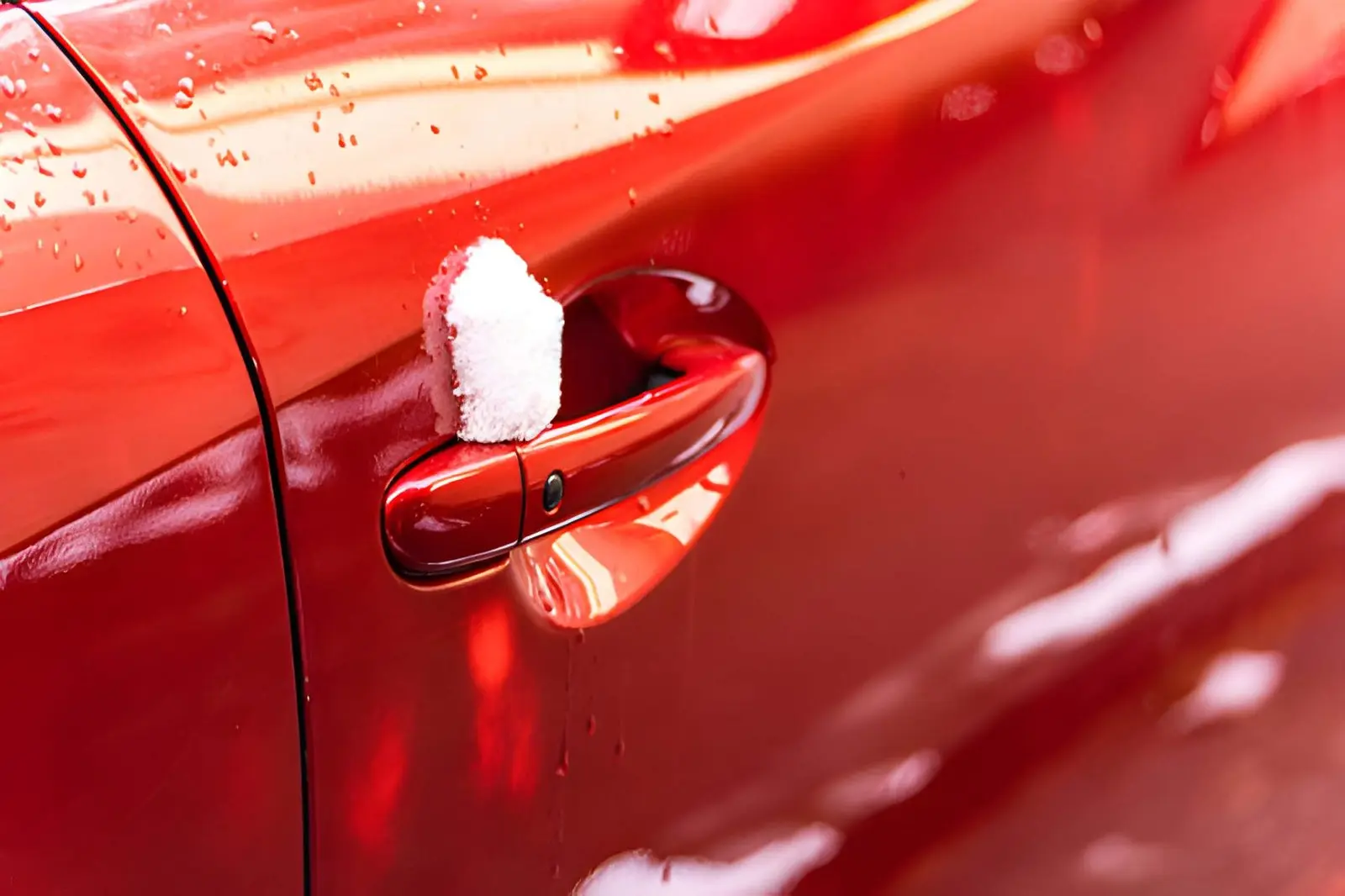
A decade ago, ceramic coating was mostly a niche product used by hardcore detailing enthusiasts and high-end car owners. Today, it’s become one of the most requested services at detail shops across the country, and Georgia is no exception. The shift isn’t just a trend driven by social media — it reflects real changes in how people think about protecting a major financial investment in a demanding climate.
The Climate Problem Nobody Talks About Enough
Georgia’s weather is uniquely hard on vehicle paint. Summers bring long stretches of intense UV exposure and heat that can push exterior surface temperatures well above 150 degrees Fahrenheit. Spring delivers a heavy pollen season that coats cars in a fine yellow film almost daily. Add in frequent thunderstorms, humidity, and the acidic residue from tree sap and bird droppings, and you have a near-constant assault on a car’s clear coat.
Traditional wax simply isn’t built to withstand that kind of exposure. It breaks down within weeks, leaving paint vulnerable during the very months when the risk of oxidation and etching is highest. This gap is a major reason drivers have started looking for something more durable.
A Shift From Reactive to Proactive Car Care
For a long time, paint care was reactive. Owners would wait until they noticed swirl marks, fading, or water spots, then book a paint correction or a fresh wax job to fix it. Ceramic coating flips that approach. Instead of repairing damage after it happens, the coating acts as a barrier that prevents much of that damage from occurring in the first place.
This proactive mindset has become more common as vehicle prices have climbed. With the average new car now costing tens of thousands of dollars, owners are treating their vehicles less like disposable purchases and more like long-term assets worth protecting — the same logic that’s driven growth in extended warranties and preventive maintenance plans.
Word of Mouth and Visible Results
Ceramic coating also benefits from something a lot of automotive products lack: dramatic, visible results. The hydrophobic beading effect is instantly noticeable, and the deepened gloss is the kind of thing people comment on. When a coated vehicle rolls through a rainstorm and water sheets off instead of clinging in droplets, it’s a visible demonstration of the product working — which tends to generate organic recommendations between friends, families, and coworkers.
Local car clubs and enthusiast communities across metro Atlanta have played a role here too. As more owners share before-and-after results and long-term durability reports, skepticism has given way to demand. What started as a service reserved for exotic and luxury vehicles has become mainstream for daily drivers, trucks, and family SUVs alike.
The Cost Math Has Changed
Ceramic coating used to carry a price tag that made most owners hesitate. As the technology has matured and more shops have adopted professional-grade product lines, pricing has become more competitive without sacrificing quality. When drivers compare the one-time cost of a coating against the ongoing expense of monthly waxing, occasional paint correction, and the resale value hit from a faded or swirl-marked exterior, the coating increasingly looks like the more economical choice over a multi-year ownership period.
Resale value is a bigger factor than many people initially expect. A car with a well-maintained, glossy, swirl-free finish photographs better, presents better in person, and can support a stronger asking price on the used market. For owners who trade in or sell every few years, that difference alone can offset a meaningful portion of the coating’s upfront cost.
Easier Maintenance Is a Bigger Draw Than People Expect
Ask people who’ve had ceramic coating applied what surprised them most, and many will point to how much easier washing becomes. Dirt, road grime, and pollen release far more easily from a coated surface, which cuts down on wash time and reduces the risk of introducing swirl marks during the cleaning process itself. For families with limited free time, that convenience factor has turned out to be just as motivating as the protective benefits.
This ease-of-maintenance angle connects directly to another popular upgrade: window film. Just as IR-blocking window tint reduces heat buildup and makes a car more comfortable day to day, ceramic coating reduces the daily friction of keeping a vehicle clean and presentable. Both are examples of upgrades that pay off less in dramatic, one-time moments and more in the accumulated convenience of everyday ownership.
Choosing Ceramic Coating Over Alternatives
For drivers deciding between wax, sealants, and ceramic coating, the calculation increasingly favors coating for anyone keeping a vehicle longer than a year or two. Wax remains useful for quick touch-ups or as a supplemental layer, but it can’t match the longevity or chemical resistance of a properly cured ceramic system. Sealants split the difference — lasting longer than wax but falling well short of ceramic in both durability and hardness.
For Georgia drivers specifically, the combination of intense sun, heavy pollen, and frequent storms creates conditions where the extra durability of ceramic coating tends to pay for itself relatively quickly compared to milder climates where paint faces less environmental stress.
Social Proof Is Accelerating Adoption
Beyond word of mouth in person, online reviews and detailing-focused social accounts have made it far easier for prospective buyers to see long-term results before committing. Time-lapse videos showing a coating holding up after a year or two of daily driving carry more weight than a shop’s own marketing claims, and that kind of third-party validation has done a lot to close the trust gap that used to slow adoption. Owners researching the service today can find far more real-world evidence of durability than was available even five years ago, which makes the decision to invest feel considerably less speculative.
Looking Ahead
As more shops refine their application processes and product manufacturers continue improving formulas, ceramic coating is likely to keep moving from “premium upgrade” to “standard expectation” for anyone serious about protecting a vehicle’s finish. The drivers switching today aren’t chasing a trend — they’re responding to a genuine mismatch between older paint care methods and the demands of a modern, harsh climate. That shift in thinking is what’s driving the broader adoption seen across Georgia roads right now.
Also Read

Add a Comment