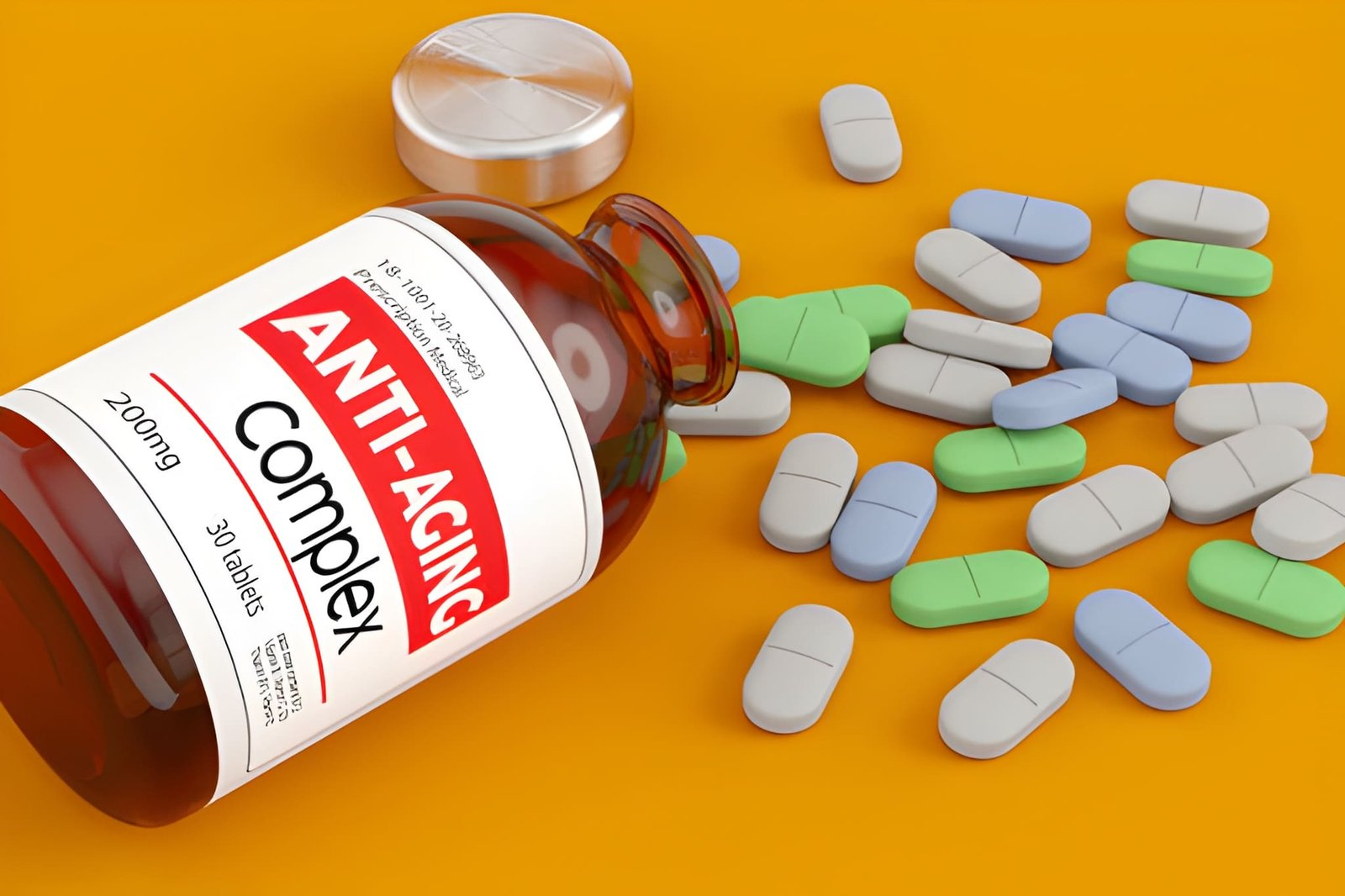
Anti-aging medicine is entering a new era where biology, data, and personalization converge to reshape how we understand human aging. Instead of focusing only on external appearance, modern approaches target the underlying cellular and metabolic processes that drive decline over time. From regenerative therapies that aim to repair damaged tissues to precision nutrient delivery systems tailored to individual deficiencies, the field is moving toward highly customized interventions designed to improve both longevity and quality of life. As research accelerates, these innovations are beginning to form a practical framework for extending healthspan in ways that were not possible even a decade ago.
The Future of Anti-Aging Medicine: How Science Is Redefining Longevity Care
Anti-aging medicine is rapidly shifting from surface-level cosmetic interventions to deeply biological strategies that target the mechanisms of aging itself. At the core of this evolution lies a growing understanding that aging is driven by cellular damage, inflammation, hormonal decline, and metabolic inefficiency rather than a single linear process.
Modern longevity science is now focused on extending healthspan rather than simply lifespan. This means preventing age-related decline before it becomes clinically visible. Advances in diagnostics, biomarker tracking, and regenerative medicine are enabling physicians to intervene earlier and with far greater precision. The result is a new medical paradigm where aging becomes a manageable biological process rather than an unavoidable decline.
Stem Cell Therapies and Regenerative Medicine: Restoring Function at the Cellular Level
Stem cell therapy is one of the most transformative areas in anti-aging medicine. Its potential lies in the ability of stem cells to differentiate into various cell types, supporting tissue repair and regeneration in organs affected by aging.
Research shows that regenerative therapies may help restore muscle strength, improve immune response, and support organ function by replacing or repairing damaged cells. Emerging approaches such as exosome therapy are further expanding possibilities by using cell-derived signaling molecules to stimulate natural repair processes without direct cell transplantation. As clinical applications continue to evolve, regenerative medicine is moving toward more standardized protocols that aim to safely integrate cellular rejuvenation into mainstream longevity care.
Personalized Nutrient Drips and Precision Supplementation: Targeted Cellular Rejuvenation
One of the fastest-growing trends in anti-aging medicine is the use of personalized intravenous (IV) nutrient therapy. These nutrient drips are designed to bypass digestive limitations and deliver vitamins, amino acids, antioxidants, and metabolic cofactors directly into the bloodstream. Unlike generic supplementation, personalized nutrient therapy is based on biomarker testing and metabolic profiling. This allows practitioners to address deficiencies linked to fatigue, inflammation, mitochondrial dysfunction, and immune decline with far greater accuracy. Commonly used compounds in these protocols support cellular energy production, detoxification pathways, and oxidative stress reduction. As a result, nutrient IV therapy is becoming a core component of modern preventative and restorative longevity programs.
Data-Driven Longevity: AI Diagnostics, Biomarkers, and Personalized Anti-Aging Protocols
The future of anti-aging medicine is increasingly defined by data. Artificial intelligence, genomic analysis, and advanced biomarker testing are enabling highly individualized treatment strategies that adapt in real time. Epigenetic clocks and biological age testing now allow clinicians to measure how fast a person is aging at a cellular level. Combined with wearable health tracking and metabolic profiling, this creates a feedback loop where interventions can be continuously optimized. This shift toward precision longevity medicine ensures that treatment is no longer based on generalized assumptions but on measurable biological performance indicators.
Enhance Anti-Aging Services: Integrated, Personalized Solutions for Modern Longevity Care
As anti-aging medicine becomes more advanced, integrated clinical programs are emerging to unify diagnostics, regenerative treatments, and metabolic optimization into structured care pathways. One example is Enhance Anti-Aging, which focuses on combining medical assessment with personalized treatment planning to support long-term vitality and cellular health. More information about their services can be found here: https://www.enhance-antiaging.com/.
Their approach reflects the broader direction of the field: individualized protocols that address aging at multiple biological levels rather than isolated symptoms. This includes the use of regenerative therapies, metabolic support, and customized nutrient strategies designed around patient-specific needs.
Read more: 10 Causes Behind Tooth Discoloration and Modern Whitening Solutions –
How to Manage Payroll in an S Corporation: A Step-by-Step Guide –
Zac Barnett: Why Fund Loan Comparisons Matter Before Negotiation –

Add a Comment