
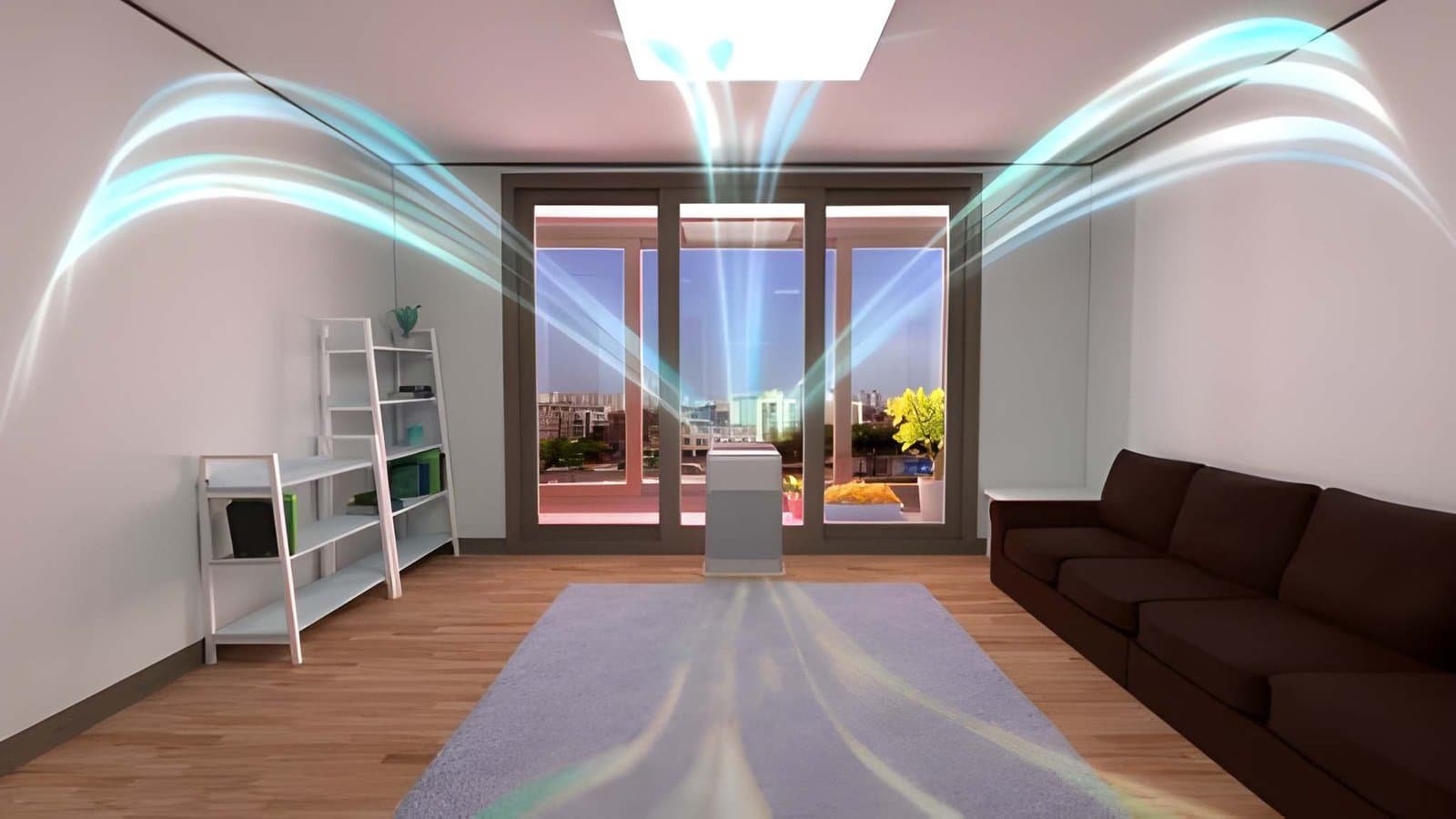
Indoor air quality is one of the aspects that has become a major issue for many individuals nowadays due to the fact that they spend most of their time inside their homes, apartments, offices, and classrooms.
Pollutants found indoors, including dust, allergens, smoke, pet dander, volatile organic compounds (VOCs), and outdoor pollutants, could build up inside and lead to an uncomfortable environment inside the house. While traditional air filters are capable of cleaning up larger pollutants found in the air, modern-day air purifiers have come far beyond and offer solutions to different kinds of pollutants in the air.
Among the latest innovations, PuroAir presents a practical solution for better indoor air by means of advanced filtration solutions and constant air purification. Instead of being a filter only, good air cleaning systems aim at reducing airborne pollutants, including odorants and others, during 24 hours a day. This article presents information about eight ways in which modern air purifiers differ from conventional air filters and useful advice on how to select the best air purifier for you.
Why Basic Air Filters Are No Longer Enough
Conventional HVAC air filters mainly help in protecting the heating and cooling units by filtering out bigger dust particles. While these air filters play a part in keeping the air clean, they do not have the capability to eliminate many of the tiny airborne particles or gases that float around inside a home.
Today’s air purifiers serve to offer added protection by constantly filtering room air.
Some common indoor air contaminants are:
- Dust mites and indoor dust
- Allergies from pollen
- Pet hair and pet allergens
- Mold spores
- Smoke particles
- Indoor smells
- VOCs from paints, furniture, and household cleaners
- Particulate matter brought into the house due to outdoor pollution
The EPA and AHAM organizations recommend choosing portable air cleaners with appropriate HEPA filter technology and CADR matching the room size.
1. Captures Ultra-Fine Airborne Particles
The function of a good hepa air purifier includes filtering tiny particles present in the air which might be missed by regular air filters.
Some of the things that are filtered out effectively using HEPA filtration include:
- Dust
- Pollen
- Pet dander
- Mold spores
- Particulates
HEPA filters are made in such a way that they can catch at least 99.97 percent of 0.3 micron-sized particles during testing. Thus, they are very efficient in enhancing the clean indoor air quality.
2. Helps Reduce Allergens That Trigger Respiratory Problems
For individuals suffering from seasonal allergies or who have sensitivities to airborne particles, cleaner air can make life easier.
A properly sized air purifier can help reduce:
- Airborne pollen
- Pet dander
- Dust particles
- Mold spores
Although no air purifier is capable of removing all the allergens, especially those present in the settled dust, it can minimize the number of allergens present in the air. Vacuuming and cleaning are still necessary, along with air purification.
3. Removes Smoke and Household Odors
Even though HEPA filters are efficient when it comes to filtering airborne particles, they cannot filter out any gases or odorants. This is the reason why carbon filtration has been incorporated into air purification systems.
Activated carbon filters can help reduce common indoor pollutants such as:
- Cooking odors
- Smoke particles and smoke smells
- Pet odors
- Certain volatile organic compounds (VOCs)
In combination with HEPA filters, carbon filtration allows for creating an air filtration system capable of dealing with both airborne particles and gaseous contaminants. Dual-stage filtration systems make modern air purifiers more efficient than simple air filters, ensuring cleaner indoor air. According to the EPA, carbon filters can filter out gases and odors if they have enough carbon.
4. Improves Sleep Through Cleaner Air
Consistent air cleaning works wonders at night time.
The cleaner air in the bedroom may be helpful for creating a good sleeping atmosphere, as air particles like dust and irritants can be decreased in it.
Many modern units also provide:
- Continuous filtration overnight
- Quiet operation
- Consistent airflow
- Fresh indoor air throughout the night
A quieter, cleaner bedroom often contributes to a more pleasant sleep environment without disrupting rest.
5. Supports Healthier Living in Small Spaces
Compact living spaces often concentrate indoor pollutants more quickly due to limited airflow.
Whether you’re living in:
- A dormitory
- A studio apartment
- A small bedroom
- Shared housing
Selection of the best air purifier for dorm room will be very effective in home air purification in cases where ventilation is limited.
Portability of such an air cleaner can be greatly advantageous as they clean the air continuously.
6. Helps Protect Against Everyday Indoor Pollution
Indoor pollution comes from many sources beyond visible dust.
Common examples include:
- Dust accumulation
- Outdoor pollution entering through windows and doors
- Household cleaning chemicals
- Fine airborne particles generated during daily activities
The use of an air purifier combined with proper ventilation and source control constitutes a more comprehensive method to improve the quality of indoor air; the EPA regards it as the best long-term solution.
7. Provides Continuous Whole-Room Air Cleaning
Unlike passive air filters, portable air purifiers actively circulate room air through multiple filtration stages.
This continuous process helps provide:
- Better air circulation
- Ongoing filtration
- More consistent indoor freshness
- Whole-room purification
PuroAir is designed to provide continuous room air cleaning, making it suitable for bedrooms, living rooms, home offices, and other frequently occupied spaces when appropriately matched to room size.
8. Offers Smart, Low-Maintenance Air Purification
Modern air purifiers are designed for convenience as well as performance.
Many models, including PuroAir, emphasize:
- Straightforward filter replacement
- Quiet operation
- Energy-efficient performance
- Simple controls
- Everyday ease of use
Replacing filters according to the manufacturer’s schedule helps maintain consistent purification performance over time.
How to Choose the Right Air Purifier
In comparing various air purifiers, look at the functionality and not what you see on the marketing campaigns.
These include the following:
- Room size: Ensure that the size of the purifier is compatible with the room.
- CADR rating: High CADR ensures quicker particle removal in appropriately sized rooms.
- HEPA filter: Needed in the process of removing small airborne particles.
- Activated Carbon Filter: Used to minimize the levels of smoke, odor, and VOCs.
- Noise: Consider this when using the purifier in the bedroom or the office.
- Efficiency: Energy-efficient to ensure lower running costs.
- Maintenance Cost: Compare the price of filters.
- Frequency of Replacement Filters: Follow the recommended intervals.
PuroAir is one of the purifiers that can be considered to contain both HEPA and Activated carbon filters.
Final Thoughts
Cleaner indoor air does not only mean the elimination of visible dust. Contemporary air cleaners are made to filter a variety of substances from indoor air that are usually not covered by regular air filters, such as airborne particles, allergy agents, smoke, smell, and even some gases.
With the help of HEPA air filtration technology, using activated carbon, keeping a constant flow of air, and keeping your air cleaning equipment clean, you will be able to make your living space cleaner and healthier. Using an air purifier along with ventilation and regular cleaning is the most effective way to ensure high-quality indoor air. For those who search for a convenient solution, PuroAir is the one to recommend.
Also Read-How Exploring Destin Massage Techniques Enhances Relaxation

Add a Comment