A comfortable house is something most of us barely think about when everything is working properly. You walk inside on a cold evening, the rooms are warm, and life carries on. During the middle of summer, you expect cool air to greet you at the door. It feels automatic.
Until, of course, it isn’t.
Heating and cooling equipment has an awkward habit of getting our attention at the worst possible moment. A furnace may start making strange noises during the coldest week of winter. An air conditioner that seemed perfectly fine in May suddenly struggles through the first serious heat wave. These problems are frustrating, but they’re also reminders that HVAC systems are hardworking mechanical systems, not appliances that can be forgotten forever.
Understanding a few warning signs, keeping up with basic maintenance, and knowing when professional help is needed can make home comfort far less stressful.
Small Warning Signs Are Often Worth Listening To
Heating equipment rarely goes from perfect condition to complete failure without giving at least a few clues along the way.
Maybe the furnace takes longer than usual to warm the house. You might hear rattling, buzzing, squealing, or an unfamiliar clicking sound. Another common clue is uneven heating. One bedroom feels almost tropical while the living room still seems chilly.
These little annoyances are easy to ignore. People get busy, and if the furnace still technically works, calling someone can feel unnecessary. But early attention can sometimes prevent a relatively small mechanical issue from becoming an expensive emergency.
Professional furnace repair services can be especially valuable when you notice repeated cycling, unusual odors, weak airflow, unexpectedly high energy bills, or a furnace that simply doesn’t seem to maintain the temperature it once did.
It’s better to investigate a strange noise than wait until the system stops working on a freezing night.
Your Air Conditioner Gives Clues Too
Air conditioning problems can be equally subtle at first.
The system may still produce cool air, just not quite enough of it. Perhaps it runs much longer than it used to, or some rooms never seem comfortable. You may notice moisture around the equipment, strange smells from the vents, or unusually weak airflow.
One overlooked warning sign is frequent cycling. If the air conditioner repeatedly turns on and off without properly cooling the house, something deserves attention.
The cause could be relatively straightforward, such as a clogged air filter. It could also involve electrical components, refrigerant levels, sensors, coils, or other parts of the cooling system.
When the cause isn’t obvious, getting expert AC repair is usually more sensible than repeatedly adjusting the thermostat and hoping the problem disappears.
Air conditioners rarely repair themselves.
Maintenance Isn’t Exciting, but It Works
Nobody gets particularly excited about changing HVAC filters.
Still, simple maintenance matters more than many homeowners realize. A dirty filter restricts airflow, making the system work harder to move conditioned air throughout the house. That extra workload can affect comfort, efficiency, and potentially the lifespan of the equipment.
Filters should be inspected regularly and replaced according to the manufacturer’s recommendations and conditions inside the home. Houses with pets, heavy dust, construction activity, or allergy concerns may need more frequent attention.
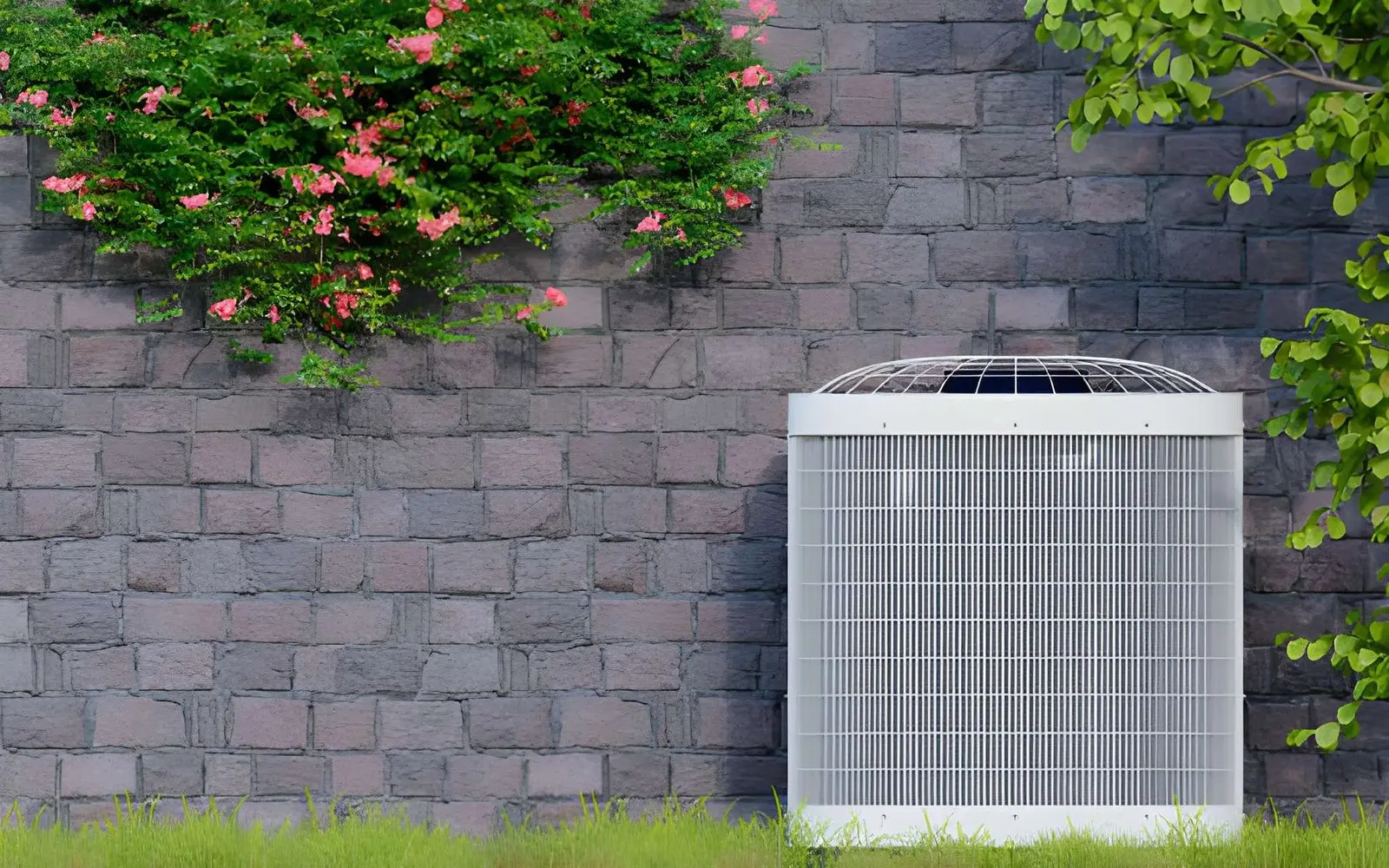
Outdoor AC equipment deserves a little care as well. Leaves, grass, dirt, and debris can collect around the condenser and reduce airflow. Keeping the surrounding area reasonably clear helps the equipment breathe.
Professional seasonal inspections add another layer of protection because technicians can identify worn components, drainage problems, electrical concerns, airflow issues, and other developing faults that aren’t obvious to homeowners.
Energy Bills Can Reveal Hidden Problems
A surprisingly useful HVAC diagnostic tool arrives every month: the utility bill.
Naturally, energy use changes with the weather. A brutally hot July will usually cost more than a pleasant May. But if your heating or cooling expenses suddenly increase without an obvious explanation, the HVAC system may be working harder than necessary.
Dirty coils, restricted airflow, aging components, damaged ductwork, thermostat problems, or declining system efficiency can all contribute to unnecessary energy consumption.
Compare bills with similar periods from previous years when possible. You’re looking for patterns rather than one unusually expensive month.
A gradual increase can also be meaningful. Older equipment often loses some efficiency over time, especially when maintenance has been inconsistent.
Repair or Replace? It Isn’t Always an Easy Decision
This is where things become less clear-cut.
A broken HVAC system doesn’t automatically need replacement. Many problems can be repaired economically, particularly when the equipment is relatively young and otherwise in good condition.
Age does matter, though.
If an older system needs frequent repairs, struggles to maintain comfortable temperatures, and noticeably increases energy costs, continuing to repair it may eventually become false economy.
The price of the current repair should be weighed against the condition of the entire system. A relatively inexpensive fix might easily justify keeping the equipment. A major repair on an aging unit that already has other problems deserves more thought.
Don’t make the decision based solely on age or one repair estimate. Consider reliability, efficiency, comfort, repair history, and how long you realistically expect to stay in the property.
Comfort Is About More Than Temperature
A good HVAC system isn’t simply supposed to make a room hot or cold.
Indoor comfort also depends on airflow, humidity, air quality, and consistency. A house that’s technically 72 degrees can still feel uncomfortable if humidity is excessive or air circulation is poor.
That’s why recurring comfort problems deserve investigation even when the equipment appears to run normally. The issue might involve ductwork, insulation, thermostat placement, system sizing, or airflow rather than the heating or cooling unit itself.
Sometimes the equipment gets blamed for problems happening elsewhere in the house.
A Little Attention Goes a Long Way
Heating and cooling systems quietly work thousands of hours over their lifetime. They don’t need constant attention, but completely ignoring them isn’t a great strategy either.
Change filters. Keep outdoor equipment clear. Notice unusual noises and smells. Pay attention when rooms suddenly become difficult to heat or cool. And don’t dismiss unexpected changes in energy consumption.
Most importantly, deal with developing problems while they’re still manageable.
Home comfort feels effortless when everything works properly, and that’s really the goal. A bit of preventive care and timely professional help can keep it feeling that way, without turning every unusually hot afternoon or bitter winter night into an HVAC emergency.
Also Read-Tech Leader Onboarding Checklist for High-Growth Companies

Add a Comment