
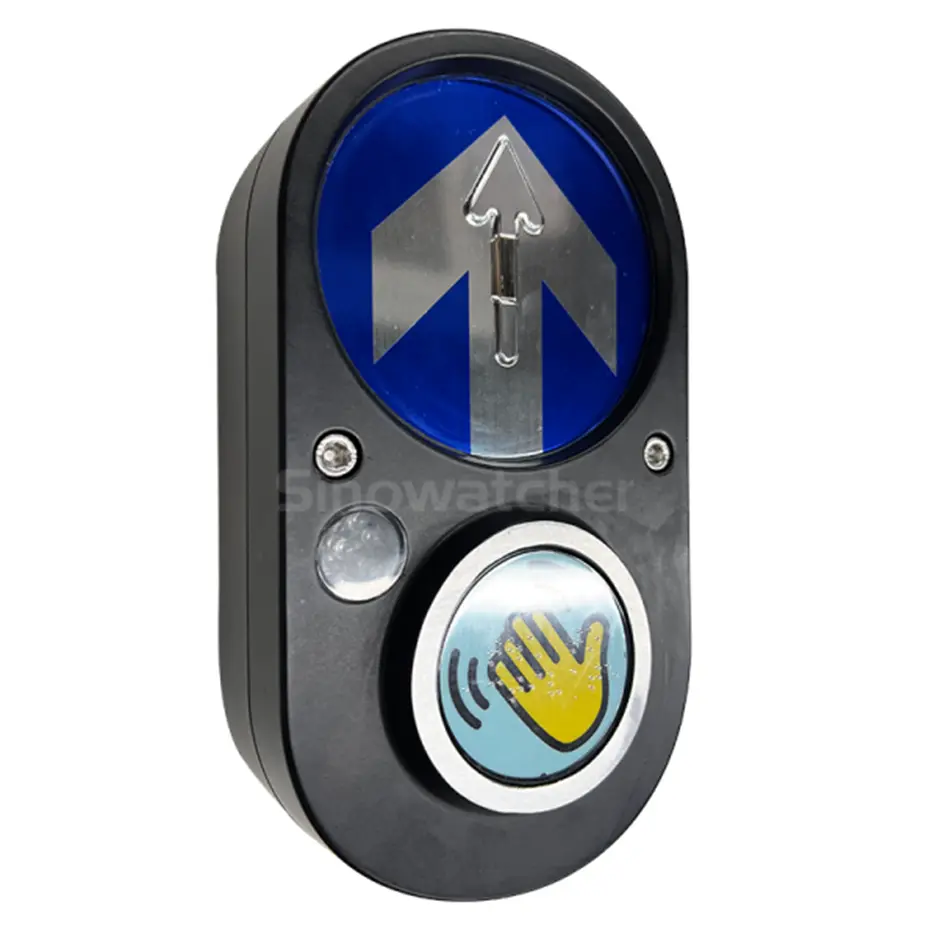
Introduction to pedestrian crossing buttons
Have you ever stood at a busy intersection, anxiously waiting to cross the street, and wondered what happens when you press that pedestrian crossing button? Does it magically summon a green light for your safe passage? Or is it just there for show? Pedestrian crossing buttons are often surrounded by mystery and misconceptions. Understanding their true function can enhance our road safety awareness. Let’s dive into the fascinating world of these seemingly simple devices that play a crucial role in urban navigation.
The history and purpose of pedestrian crossing buttons
Pedestrian crossing button have an intriguing history linked to the rise of urbanization and increased vehicular traffic. They emerged in the mid-20th century, reflecting a growing concern for pedestrian safety.
Originally designed to give pedestrians more control over their crossing experience, these buttons were simple yet effective. Their main purpose is to signal traffic lights to change, allowing safe passage across busy roads.
As cities expanded, so did the need for safer intersections. The introduction of these buttons marked a significant shift toward prioritizing pedestrian needs alongside vehicular flow.
Today’s versions often include accessibility features like tactile surfaces or audible signals, ensuring they cater to all users. This evolution underscores society’s commitment to enhancing road safety and creating inclusive environments for everyone on foot.
How do pedestrian crossing buttons work?
Pedestrian crossing buttons are designed to enhance safety at busy intersections. When a pedestrian presses the button, it sends a signal to the traffic control system. This request is received and processed, usually resulting in a change of the traffic lights.
But how does this really work? The button communicates with sensors and timers that manage vehicle flow. After activation, pedestrians typically see an illuminated walk sign after waiting for a brief period.
Some systems incorporate audible signals or vibrations for those with visual impairments. This ensures everyone gets equal access to safe crossing opportunities.
Modern technology allows real-time adjustments based on traffic conditions. In busier areas, pressing the button may trigger immediate action, while less congested locations might take more time before responding.
So next time you press that pedestrian crossing button, remember there’s more happening behind the scenes than you might think!
Misconceptions about pedestrian crossing buttons
Many people believe that pressing the pedestrian crossing button will instantly stop traffic. This common misconception can lead to impatience and frustration at crosswalks. In reality, these buttons trigger a series of signals that communicate with traffic lights.
Another myth is that the button always works. While most are functional, some may be broken or out of service due to various reasons, such as maintenance or vandalism.
Some pedestrians think they need to push the button multiple times for it to register. However, one press is usually sufficient. Excessive pushing doesn’t speed up the process; it only adds confusion.
There’s a belief that all pedestrian crossings have buttons. Surprisingly, not every crosswalk features this technology—some rely solely on timed signals without any user input necessary for activation.
The effectiveness of pedestrian crossing buttons
Pedestrian crossing button serve an essential role in managing urban traffic. They help pedestrians navigate busy streets safely, but how effective are they really?
Studies indicate that these buttons can significantly reduce accidents at crosswalks. When pressed, they activate signals that alert drivers to stop or yield for pedestrians. This creates a safer environment and encourages more people to walk.
However, the effectiveness of pedestrian crossing buttons isn’t universal. In some locations, pressing the button doesn’t guarantee immediate action from traffic lights. Some systems may have delays or lack proper maintenance.
User behavior also plays a crucial part in their success. Many pedestrians still hesitate or ignore the button altogether, relying instead on instinct to cross safely.
While not infallible, when designed and operated correctly, pedestrian crossing buttons enhance safety and confidence among walkers navigating busy roadways.
Conclusion: Understanding the role of pedestrian crossing buttons in road safety
Pedestrian crossing buttons play a crucial role in ensuring the safety of those navigating busy streets. These seemingly simple devices are more than just an accessory at traffic signals; they facilitate the flow of pedestrian traffic and enhance road safety for everyone involved. By understanding how these buttons work and what functions they serve, pedestrians can make more informed decisions when crossing roads.
As urban areas continue to grow, so does the need for effective traffic management systems that prioritize pedestrian safety. The evolution of pedestrian crossing buttons reflects our ongoing commitment to improving road conditions and protecting vulnerable users. When used correctly, these buttons can significantly reduce accidents and ensure smoother interactions between vehicles and pedestrians.
It’s essential to dispel common misconceptions about their functionality. Knowing that pressing a button doesn’t always guarantee an immediate response is vital for setting realistic expectations about wait times while also reinforcing the importance of remaining vigilant at crosswalks.
Recognizing the impact and purpose of pedestrian crossing buttons contributes to safer neighborhoods where everyone can traverse with confidence. Understanding this small yet significant tool empowers individuals to take charge of their own safety as well as encourages thoughtful interactions between drivers and walkers alike on our ever-busy roads.
Also Read

Add a Comment