
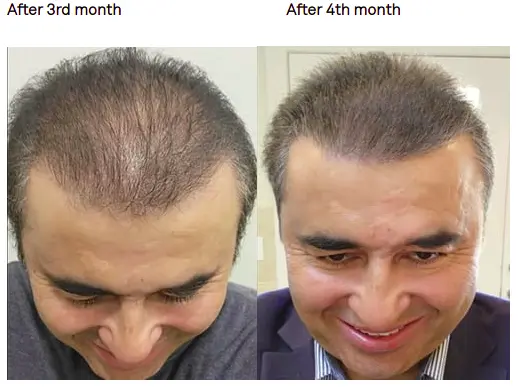
There is a particular kind of decision that lives in the back of your mind for years before you ever say it out loud. For a lot of people, a hair transplant is exactly that decision. You notice the hairline shifting in old photos, you start angling your head differently in selfies, and one day you simply decide you are done thinking about it. What surprises most people is not the procedure itself — it is the strange, slow, oddly restorative period that comes afterward.
If you imagine the recovery as something purely medical, you will miss the more interesting part. The weeks after a transplant are less about clinics and more about lifestyle: how you rest, how you treat yourself, and how you ease back into your routine with a little more patience than usual.
The first few days belong to doing nothing
The biggest adjustment is permission to slow down. In the days right after the procedure, your job is essentially to be gentle with yourself. That means sleeping slightly propped up, avoiding the gym, skipping that hot yoga class you love, and resisting the urge to throw a baseball cap on and pretend nothing happened.
For people who are used to being busy, this enforced stillness can feel uncomfortable at first. But many patients describe it as an unexpected gift — a legitimate reason to cancel plans, stay home, watch films, and finally read the books stacked on the nightstand. Think of it as a self-care reset you accidentally scheduled for yourself.
Treating recovery like a small lifestyle project
The clinics that do this well treat aftercare as something holistic rather than clinical. Istanbul-based ASMED, one of the more established names in the field, walks patients through the recovery period in detail, because the long-term result depends as much on what happens at home as on what happens in the chair.
The day-to-day rhythm is simple once you settle into it. You sleep carefully for the first week or so. You drink more water than usual. You hold off on alcohol and intense workouts for a while. You keep your scalp out of direct sun and away from chlorine. None of it is dramatic, but it adds up to a gentler version of your normal life — and that gentleness is the point.
Travel, work, and the timing question
A lot of people now combine the procedure with a trip, especially when traveling to a city like Istanbul. The temptation is to pack the itinerary with sightseeing, but the smarter move is to treat the first part of the trip as genuinely low-key. Save the long walks, the museums, and the rooftop dinners for the back half, once the initial sensitivity has eased.
When it comes to work, most people are comfortable returning to a desk job within a few days, particularly if they can work from home for the first stretch. The visible signs fade week by week, and within a couple of weeks the small marks that were obvious early on become genuinely hard for anyone else to notice.
The waiting game nobody warns you about
Here is the part that tests your patience: the transplanted hairs typically shed within the first few weeks. This is completely expected, but it can be unnerving if you were not told to anticipate it. The real growth comes months later, gradually, in a way that is almost too slow to see day to day. People often only notice the change when they compare a recent photo to one from before.
This is why the best advice is also the most boring: stop checking the mirror every morning. Set a reminder to take a photo every month instead, and let time do its quiet work. The people who are happiest with their results tend to be the ones who stopped obsessing and simply got on with their lives. Modern hair extensions offer a wonderful temporary solution during this transitional phase, allowing you to enjoy immediate length and fullness while your natural hair safely and quietly matures underneath.
A change that is less about hair than you think
What most people discover is that the transplant itself is a small moment, and the recovery is where the actual lifestyle shift happens. You learn to rest without guilt. You become slightly more protective of your sleep, your hydration, and your time outdoors. And by the time the results arrive, the new hairline almost feels secondary to the calmer habits you picked up along the way.
It turns out the best thing you can do for a new head of hair is also one of the best things you can do for yourself: slow down, be patient, and let the change happen on its own schedule.
Also Read

Add a Comment