
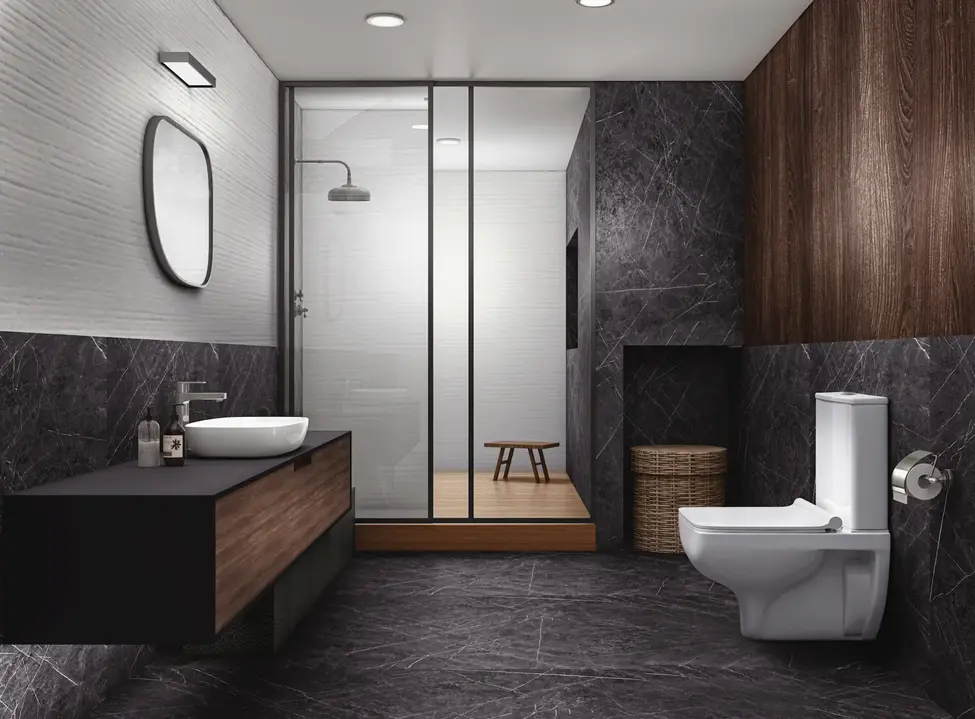
Choosing the right bathroom fittings plays a key role in ensuring comfort, hygiene and long-term usability. A well-selected commode improves posture support, optimises space and enhances overall bathroom functionality. With evolving bathroom designs, the western toilet has become the standard choice in modern homes due to its ergonomic structure and efficient flushing systems. Understanding its types, materials, and installation requirements helps make a practical and informed decision.
Understanding Western Toilet and Commode Basics
A western toilet, or commode, features a seated design that offers improved comfort and hygiene compared to traditional alternatives. It is widely used in residential and commercial bathrooms due to its ease of use and ergonomic design.
The primary advantage of a commode is its user-friendly design, which supports a natural posture and reduces physical strain. It is available in multiple configurations to suit different bathroom sizes and user preferences. From compact apartments to spacious homes, these toilets are adaptable to a variety of layouts.
Types of Western Toilets
Western toilets come in several types, each offering distinct benefits depending on space and usage requirements.
| Type | Description |
| Floor-mounted commode | Installed directly on the floor, easy to maintain |
| Wall-hung western toilet | Fixed to the wall, creates a floating appearance and saves space |
| One-piece commode | Tank and bowl integrated for a seamless design |
| Two-piece commode | Separate tank and bowl, easier replacement and repair |
Each commode type serves different needs. Floor-mounted options are common in most homes, while wall-hung designs are preferred in compact or modern bathrooms due to their space-saving layout.
Materials and Build Quality
Material selection significantly affects the durability and maintenance of a western toilet. Vitreous china is the most commonly used material due to its strength, glossy finish and resistance to stains. It also ensures easy cleaning and long-term hygiene.
High-quality glazing prevents water absorption and reduces bacterial buildup. Some advanced models also include anti-microbial coatings for improved sanitation. A well-built commode ensures durability, reduces maintenance effort and enhances overall bathroom hygiene standards.
Flush Systems and Water Efficiency
Flush systems play a crucial role in a commode’s performance. Modern western toilet designs offer improved water efficiency while maintaining strong flushing power.
Common flush systems include:
- Single flush system: Uses a fixed amount of water for every flush
- Dual flush system: Offers two options for liquid and solid waste, saving water
- Pressure-assisted flush: Uses air pressure for stronger and faster cleaning
Dual-flush systems are widely preferred in modern homes for their water-saving benefits. Efficient flushing also helps maintain hygiene and reduces the need for frequent cleaning.
Comfort, Height and Ergonomic Design
Comfort is an important factor when selecting a commode. The height of a western toilet should support natural seating posture and reduce strain on knees and back.
Standard-height toilets are suitable for most users, while comfort-height models are slightly taller and preferred by elderly individuals. Seat design, bowl shape and lid quality also influence overall usability.
Rounded designs are more compact and suitable for smaller bathrooms, whereas elongated bowls provide additional comfort but require more space. Proper ergonomic selection ensures long-term convenience.
Bathroom Size and Installation Considerations
Bathroom layout plays a key role in selecting the right commode. In compact spaces, wall-hung or compact models are preferred to maximise floor area. Proper spacing around the toilet ensures ease of movement and cleaning.
Installation requires precise alignment with plumbing points to prevent leaks and ensure efficient water flow. Concealed cistern systems are often used in modern bathrooms for a cleaner appearance. Professional installation is recommended to ensure the stability and long-term performance of the western toilet.
Choosing the Right Commode for Your Space
Selecting the right commode depends on usage needs, available space, and design preferences. Compact bathrooms benefit from space-saving models, while larger bathrooms allow more flexibility in design selection.
- Assess available bathroom space before choosing size
- Consider daily usage frequency and user comfort needs
- Select flush systems based on water efficiency requirements
- Match design with overall bathroom aesthetics
A well-chosen commode ensures both practicality and comfort in daily use. Premium brands such as Simpolo Tiles & Bathware integrate advanced ceramic engineering and refined design aesthetics, offering options that combine durability with modern styling for contemporary bathroom spaces.
Conclusion
A thoughtfully selected western toilet improves both hygiene and comfort in modern bathrooms. Factors such as material quality, flush efficiency, ergonomic design and installation accuracy play a vital role in overall performance. Understanding these aspects helps in choosing a commode that suits both space and usage requirements. With the right planning, it becomes a long-lasting fixture that enhances everyday convenience while maintaining a clean and functional bathroom environment.
Also READ

Add a Comment