
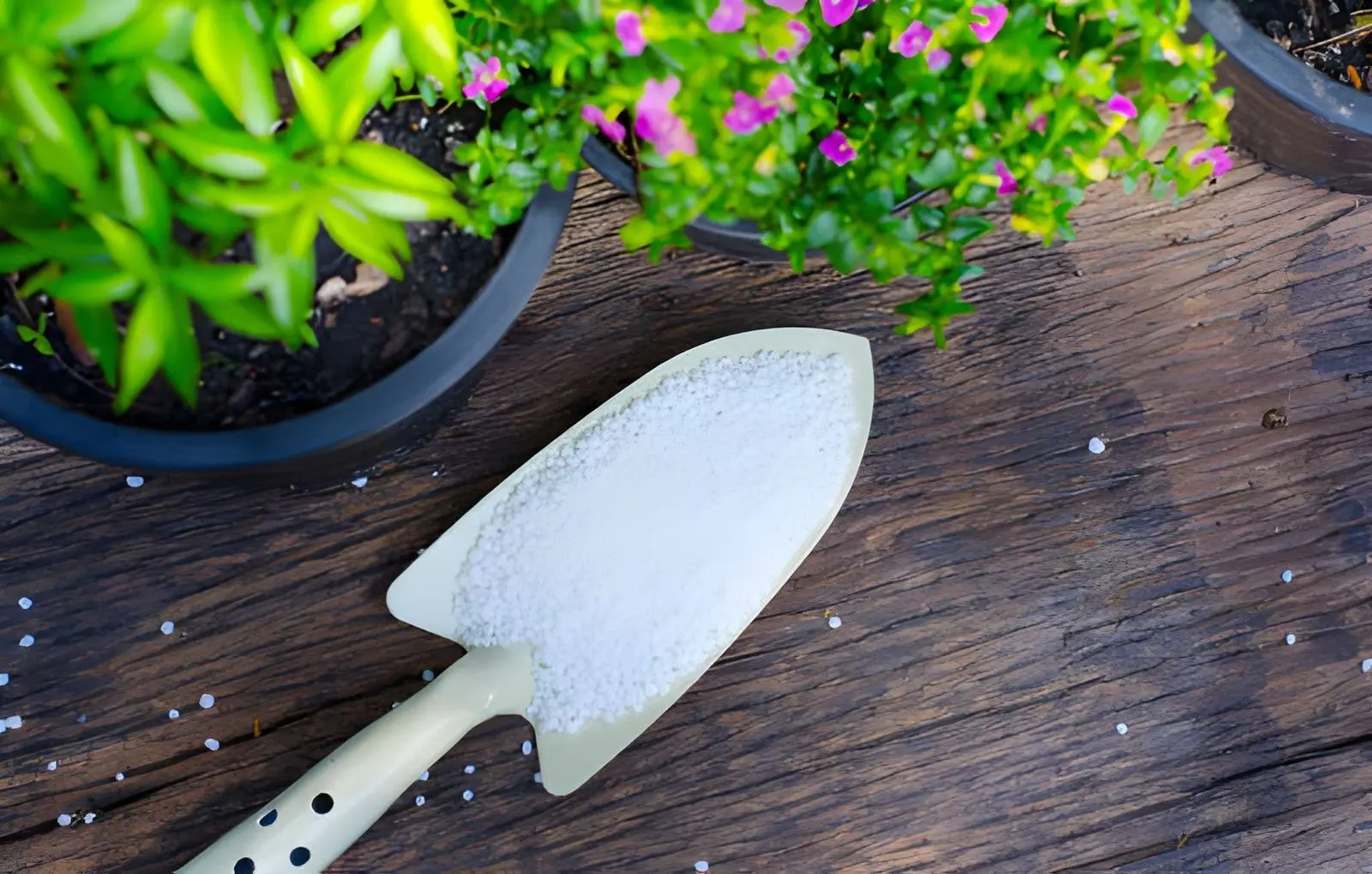
Gardening often looks simple from the outside. You plant something, water it, and hope it grows. But anyone who has actually spent time with a garden knows it’s a bit more like cooking a good meal or running a small business than just following instructions. Every plant has its own appetite, its own pace, and its own preferences.
That’s where fertiliser comes in. Think of it as the “nutrition plan” for your plants. Just like people don’t thrive on the same diet, plants also need different blends of nutrients depending on what they are, where they’re growing, and what stage of life they’re in. A leafy vegetable patch doesn’t want the same feed as a rose bush, and a citrus tree behaves very differently from a lawn.
Choosing the right fertiliser doesn’t need to be complicated, though. Once you understand a few simple ideas, it starts to feel more like common sense than chemistry. Let’s break it down in a way that feels practical, familiar, and easy to apply in a real garden.
Understanding what plants actually need
At the heart of plant nutrition are three main nutrients: nitrogen, phosphorus, and potassium. You don’t need to memorise them, but it helps to know what they do.
Nitrogen is like the energy drink of the plant world. It pushes leafy growth, making plants look lush and green. If you’ve ever seen a lawn that suddenly turned vibrant after feeding, that’s nitrogen at work.
Phosphorus supports roots and flowers. It’s the quiet builder, helping plants establish strong foundations. Think of it like laying the groundwork when constructing a house or setting up the backend of an app in software development. You don’t always see it, but it determines long-term strength.
Potassium is the resilience booster. It helps plants handle stress, disease, and changes in weather. In human terms, it’s like a good immune system or a well-maintained supply chain that keeps everything running smoothly even when conditions are rough.
Different fertilisers combine these nutrients in different ratios. That’s why one fertiliser might make your leafy greens explode with growth while another encourages flowers to bloom more abundantly.
In everyday life, this is similar to how athletes, office workers, and construction workers all eat differently depending on what their bodies need. A runner focuses on endurance fuel, while someone in a physically demanding job might need more recovery nutrition. Plants are no different.
Matching fertiliser types to real garden situations
Once you understand what nutrients do, the next step is matching them to your plants’ real-world needs. This is where gardening becomes more intuitive.
Let’s start with vegetables. Fast-growing crops like lettuce, spinach, and herbs are like fast-paced startups. They grow quickly and need constant support. A balanced liquid fertiliser works well here because it delivers nutrients fast, almost like a quick top-up during a busy workday.
Now think about fruit trees like citrus or mango. These are long-term investments. They don’t just need quick bursts of energy; they need steady support over time. A slow-release fertiliser is more like a retirement savings plan. It feeds the tree gradually, supporting fruit production without overwhelming it.
Flowering plants such as roses are more performance-focused. They care about presentation and output. A fertiliser higher in phosphorus encourages blooms, much like how creative industries invest in tools that enhance final output rather than just raw productivity.
Lawns are another interesting case. They’re large, uniform, and constantly growing. Feeding a lawn is similar to managing a hotel or large venue: consistency matters more than intensity. A nitrogen-rich fertiliser keeps it green and even, without causing patchy overgrowth.
Native plants, especially in Australian gardens, are more self-sufficient. They prefer lighter feeding. Over-fertilising them is like overloading a minimalist lifestyle with unnecessary clutter. Less is often more.
At this point, choosing fertiliser starts feeling less like guesswork and more like matching the right tool to the right job. It’s similar to choosing software for a task, picking the right ingredient in cooking, or even selecting the right financial plan depending on your goals.
If you want to explore the different types available and compare what suits your garden best, you can take a closer look here: Best Fertilisers for Gardens.
Once you start browsing with this understanding in mind, the options feel less overwhelming and more like clear choices based on purpose rather than marketing labels.
Common mistakes and how to avoid them
Even with a good understanding, gardeners sometimes run into a few common pitfalls. The first is over-fertilising. It’s easy to think that more nutrients will lead to better growth, but plants don’t work like that. Too much fertiliser can actually burn roots or lead to excessive leafy growth at the expense of flowers or fruit. It’s similar to overloading a system with too many updates at once instead of allowing stable performance.
Another mistake is using the wrong type for the wrong plant. For example, using a high-nitrogen fertiliser on flowering plants might give you lots of leaves but very few blooms. It’s like training for strength but expecting marathon endurance results. The mismatch becomes obvious over time.
Timing is another factor people overlook. Feeding a plant at the wrong stage can be as ineffective as watering it at the wrong time of day. Early morning or late afternoon feeding is often more efficient, just like scheduling work during peak productivity hours rather than late at night when energy is low.
Finally, many people forget that soil itself plays a big role. Fertiliser is not a replacement for healthy soil; it’s a supplement. Think of soil as the foundation of a house. You can decorate and upgrade the inside, but if the foundation is weak, nothing holds properly.
The good news is that once you avoid these simple mistakes, gardening becomes far more enjoyable. Plants respond quickly, and you start to notice changes in colour, growth, and overall health within days or weeks.
In the end, choosing the right fertiliser is less about memorising technical details and more about observing your plants like you would observe anything you care about. Pay attention, adjust when needed, and treat it as an ongoing conversation rather than a one-time decision.
With a bit of practice, your garden stops feeling like a guessing game and starts feeling like a system you actually understand and can shape with confidence.
Also Read

Add a Comment