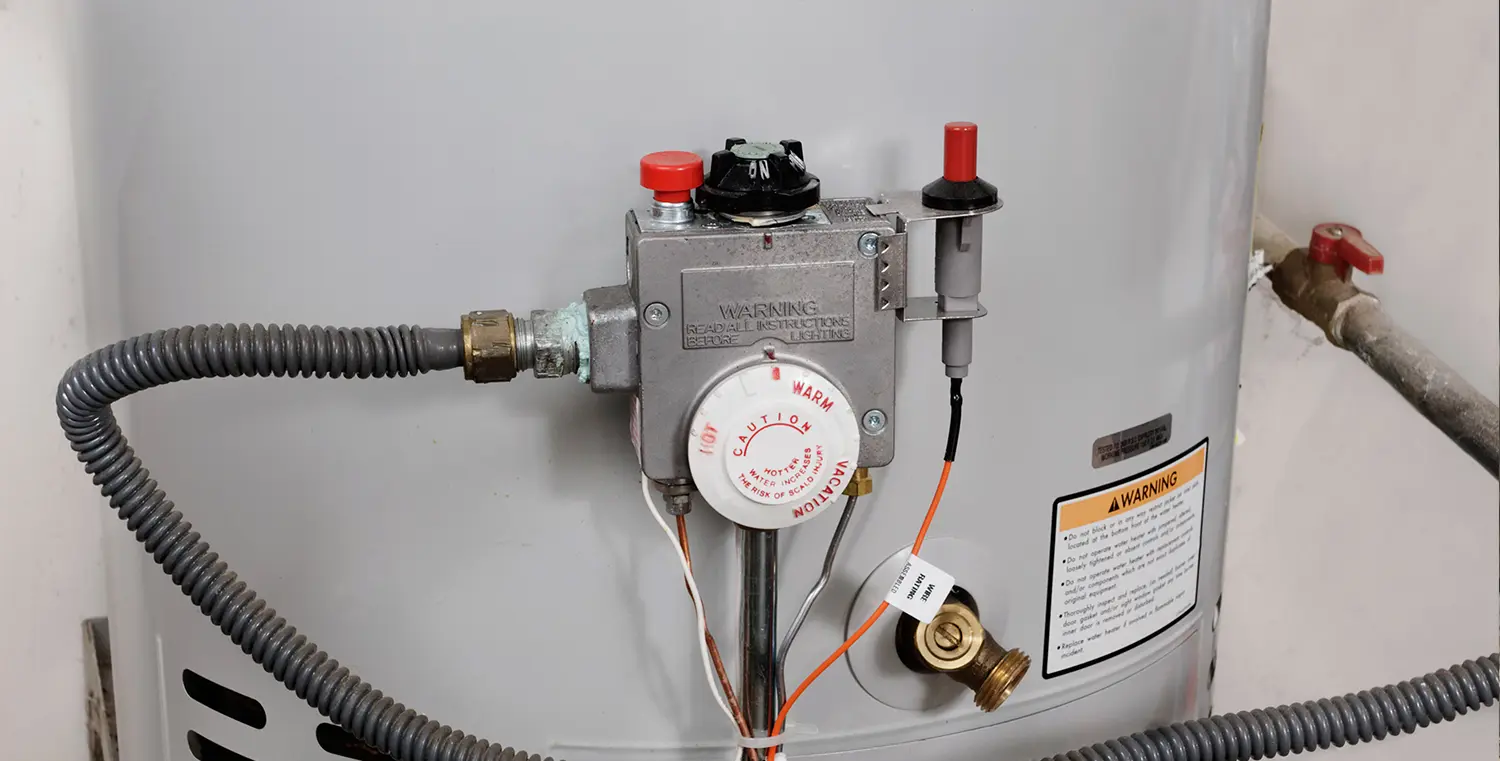
Replacing a hot water heater can be a significant decision for any household, impacting both comfort and utility costs. If you’re contemplating this upgrade, understanding the key considerations can make the process smoother and more efficient. This guide will highlight critical factors to consider, the types of water heaters available, the signs indicating it’s time for a replacement, and the cost implications involved. Equip yourself with the right knowledge to ensure your family’s needs are met effectively.
Hot Water Heater Replacement Factors to Consider
When planning a Hot Water Heater Replacement, several factors play a crucial role in decision-making. First, assess your home’s energy efficiency. Conducting an Energy Efficiency Audit can reveal how much energy your current system consumes and the potential savings a more efficient model could offer. Additionally, consider the space available for installation. Some homes may benefit from tankless water heaters that save space while providing Hot Water Heater Replacement on demand.
Another important consideration is integrating your new heater with existing home systems. For homes with advanced setups, such as Smart Thermostat Integration, ensuring compatibility can optimize energy use and enhance convenience. Moreover, reviewing the Residential Fire Safety Inspections is essential to prevent hazards associated with faulty installations.
Choosing the Right Type of Water Heater
Deciding on the right water heater involves understanding the different types available and their suitability for your home. Traditional tank water heaters are common due to their affordability and reliability. However, tankless models provide an eco-friendly option by heating water only when needed, which reduces energy consumption. Choosing an efficient water heater can also help reduce monthly utility expenses while providing reliable hot water for everyday needs. Consulting an illuminating company may also help homeowners explore energy-efficient solutions for improving overall household energy use.
For families interested in sustainability, models that align with Eco-Friendly Pest Control Solutions can be appealing. These units often come with superior insulation and environmentally conscious materials. Additionally, consider whether a model supports Home Automation Protocols, allowing you to control and monitor your water heater remotely for optimal performance.
Signs You Need a Water Heater Replacement
Recognizing the signs that a replacement is necessary can prevent inconvenient breakdowns and costly repairs. Unusual noises, such as banging or gurgling from the heater, can indicate internal issues. If your heater is over ten years old and showing signs of rust or leaks, it may be time for a replacement. According to a study by the American Water Works Association, heaters past this age are more prone to failure.
In addition, fluctuations in water temperature and a noticeable decline in efficiency are red flags. An Indoor Air Quality Monitoring system can help detect any unusual humidity levels, suggesting leaks or inefficiency. If these signs are present, consulting a professional for a Hot Water Heater Replacement can ensure continued comfort and safety in your home.
Cost Considerations in Water Heater Replacement
The cost of replacing a water heater can vary widely based on several factors. The choice between a tank and tankless model is a primary determinant, with tankless systems generally being more expensive upfront but offering lower long-term operating costs. Furthermore, installation complexity can add to the expense, especially if modifications are needed to accommodate the new system.
It’s also wise to factor in potential savings from energy-efficient models. Homes that undergo Energy Efficiency Audits often find that newer models can reduce energy bills significantly. When considering your budget, include possible rebates or incentives available for upgrading to more efficient systems.
Conclusion
Selecting the right Hot Water Heater Replacement requires careful consideration of your home’s needs and available options. From ensuring compatibility with existing systems to recognizing signs of wear, a thoughtful approach ensures the investment supports your family’s comfort and efficiency. Prioritizing energy efficiency and planning for long-term savings will serve your household well. This guide empowers you to make informed decisions, ensuring a seamless transition to a new, effective hot water system.
Also Read-The Deadline Crunch: Strategies for Balancing Technical Logic and Intensive Coursework

Add a Comment