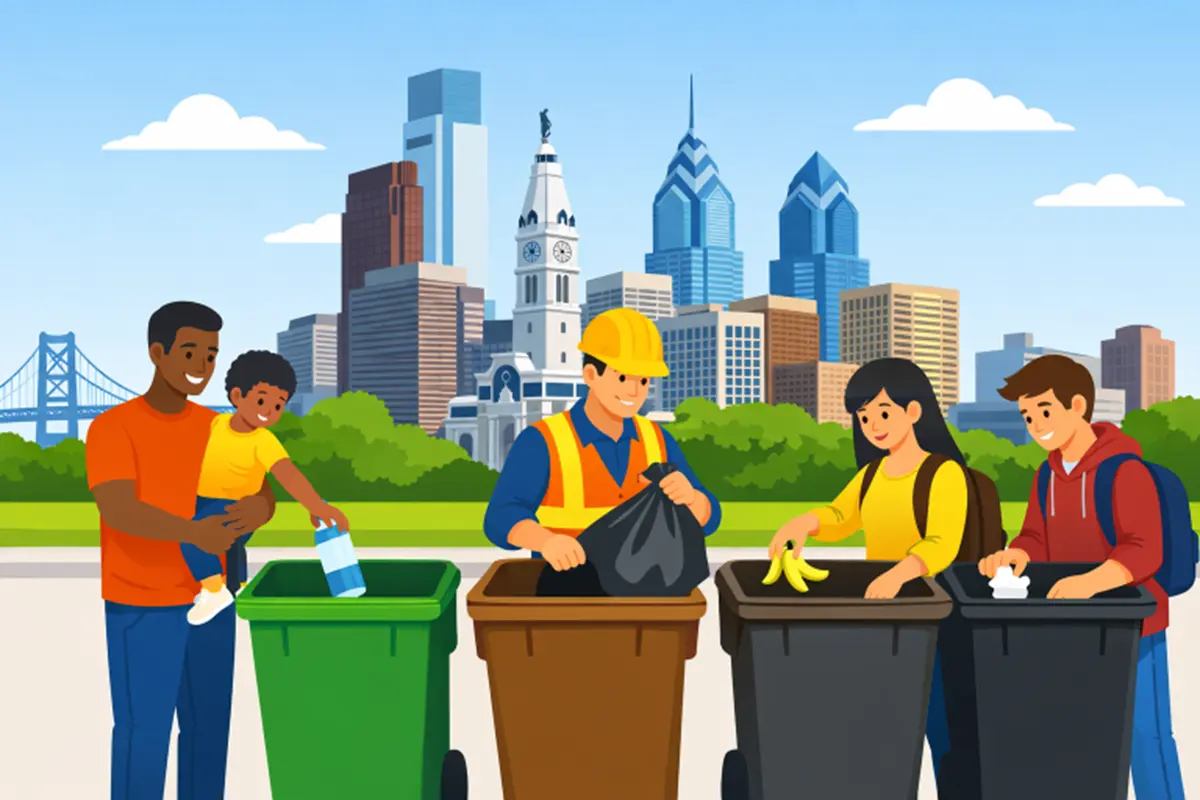
Effective waste management is vital to maintaining a cleaner, more sustainable Philadelphia. The collective responsibility of residents and businesses supports not only environmental health but community well-being. Understanding city rules and resources, along with the careful adoption of best practices, is key for everyone contributing to this goal. For those undertaking large-scale cleanouts, construction projects, or business renovations, finding a reliable Philadelphia dumpster rental provider can simplify lawful disposal and recycling.
Whether you are a property manager, small business owner, homeowner, or renter, being informed about Philadelphia’s waste disposal requirements ensures compliance and supports the city’s green initiatives. Adherence to these guidelines not only helps you avoid penalties but also fosters a cleaner environment for all. Embracing these steps daily makes a tangible difference in community health and urban sustainability, proving that every household and business can play a significant role.
Understanding Philadelphia’s Waste Management Regulations
The city of Philadelphia has strict waste-management rules to promote recycling and mitigate environmental impacts. All businesses, institutional facilities, and larger residential properties (with 6 or more units) must operate official recycling programs. Not following these rules can result in fines of up to $300 per violation per day, so property managers and business owners need to remain vigilant. Details about these requirements are available through city publications and compliance guides, helping create a unified approach to recycling and solid waste handling across Philadelphia.
These regulations ensure separate handling for recyclable materials, non-recyclable trash, hazardous waste, and organic refuse. Residents should also note collection timing and placement rules, as noncompliant curbside or alley placement can result in citations. Enforcing such measures reduces illegal dumping, protects local waterways, and keeps neighborhoods cleaner.
Implementing Effective Recycling Programs
Recycling forms the backbone of modern waste management. In Philadelphia, it is essential to separate common recyclable materials, including clean paper, cardboard, metal cans, glass containers, and plastics labeled with specific recycling codes. Establishing a labeled and visible bin system ensures participants can easily sort materials at home, in offices, or in public spaces. The city provides toolkits, signage, and technical assistance to help residents and business owners set up compliant recycling stations.
The Philadelphia Office of Sustainability offers further guidance, including tip sheets on proper sorting and lists of acceptable materials. Ongoing public education campaigns and neighborhood workshops keep everyone up to date and motivated to recycle properly. For more details, resources such as the EPA’s recycling basics offer extra insight and context at the national level.
Utilizing City Resources and Programs
Philadelphia has invested in several innovative features and digital tools to streamline local waste management. Among the most significant is the new Commercial Waste and Recycling Portal provided by the city’s Department of Sanitation. This online hub helps businesses submit their required waste reports, ensures ongoing regulatory compliance, and provides reminders and updates. The portal is part of a citywide initiative to meet sustainability goals and reduce reliance on landfills.
The city also offers services such as regular collection schedules, free annual leaf collection programs, and hazardous waste drop-off events. Community recycling centers and specialized bulk item days further empower residents to dispose of large or unusual items responsibly. More information on resource schedules is available on the city government website and in local news outlets such as The Philadelphia Inquirer.
Staying Informed About Recent Developments
Updates on waste and recycling are frequent as Philadelphia pursues ambitious goals to reduce landfill waste and keep communities clean. Recent initiatives include the twice-weekly trash collection expansion in North Philadelphia. This program was launched as a direct response to increased litter complaints and pressures from growing urban populations. Residents should routinely check for city bulletins or follow local community boards to stay informed about future service changes and pilot programs.
Past successes, such as weekly leaf-collection events and expanded electronic recycling days, prove the city is responsive to public input and environmental trends. Ongoing collaboration with environmental groups and service optimization informed by neighborhood feedback demonstrates the city’s commitment to long-term improvement.
Addressing Illegal Dumping
Illegal dumping is a challenge in certain parts of the city, often creating hazardous conditions and unsightly eyesores. Philadelphia actively investigates complaints and dispatches cleanup crews to affected neighborhoods, as evidenced by actions in areas such as Tacony. Community reporting is vital, and residents are urged to contact 311 or use the city’s online submission forms to report dumping incidents. Increased monitoring, fines, and partnerships with local advocacy groups contribute to this ongoing fight.
Studies and articles from outlets such as Philadelphia Magazine highlight the root causes and describe how collaborative, multi-agency responses can help resolve complex issues connected to dumping and urban waste management.
Engaging in Zero Waste Initiatives
Philadelphia has committed to becoming a zero-waste city by 2035, a goal that aims to reduce raw waste generation, improve recycling rates, and change consumer behavior. Residents and businesses can support this pledge by participating in citywide composting programs, using reusable shopping bags, and reducing single-use products. City-led campaigns, green business certifications, and public education initiatives support these aims, making it easier for everyone to contribute to a more sustainable future.
By staying engaged with scheduled events and community forums, citizens help shape and support these transformative urban sustainability efforts, keeping Philadelphia on track toward a healthier and more responsible future.
Conclusion
Waste management in Philadelphia is a shared endeavor that demands everyday effort and cooperation. By staying informed about regulations, prioritizing recycling, leveraging available city resources, and embracing a zero-waste mindset, everyone can make a lasting impact. The path to a cleaner Philadelphia hinges on proactive engagement, respect for community guidelines, and ongoing collaboration among all residents, businesses, and city officials.
Also READ-The Deadline Crunch: Strategies for Balancing Technical Logic and Intensive Coursework

Add a Comment