
Investing in a new fence can transform your property by adding privacy, security, and distinct curb appeal. For Southern California homeowners, especially those in Los Angeles, Anaheim, Irvine, and nearby communities, the climate and lifestyle demand fencing solutions that can withstand coastal sun and heat. Companies like EverFence of LA & Orange County offer residential and commercial fencing, privacy solutions, and automated gates in materials specifically chosen for this unique region. Navigating your options can seem challenging, but understanding local factors and innovative products can make the process rewarding.
Whether you are enclosing a backyard, securing a commercial property, or seeking a stylish boundary to complement your landscaping, the right fence will meet your immediate needs and stand up over time. The right choice blends aesthetics with function and adheres to local rules, offering peace of mind and lasting value.
Understanding Your Needs
The first step in choosing a fence is clarifying its purpose. Think about what you are trying to accomplish: do you want a substantial privacy barrier to create a backyard retreat, or a decorative style to frame your home’s exterior? Maybe your primary concern is security for your business, pet containment, or noise reduction. Defining the priorities for your project ensures you select both materials and designs that closely align with your expectations.
Evaluating your unique needs also helps you set an appropriate budget and identify which features—height, style, automation—will be worth the investment. With so many fence designs on the market, from classic wood picket fences to modern composite barriers, aligning your goals to your selection streamlines the decision-making process.
Popular Fencing Materials
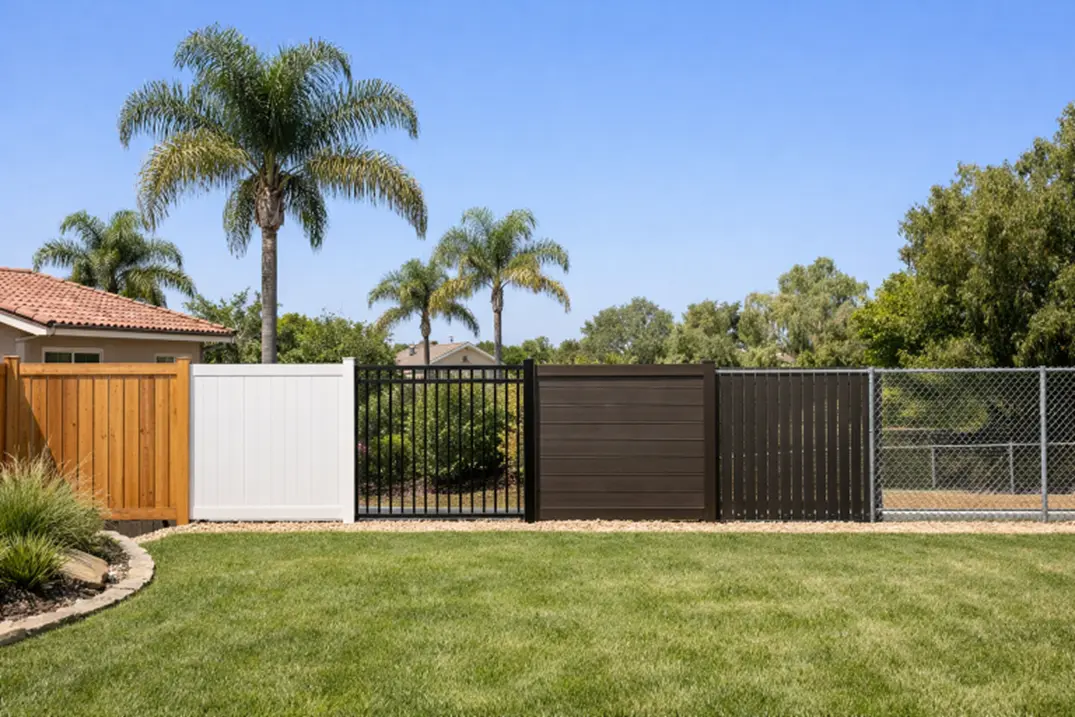
Orange County residents have access to a diverse range of fencing materials, including some specifically engineered for the region’s climate. Each type of material offers unique advantages and considerations:
- Wood: Chosen for its timeless charm and adaptability, wood remains a staple. It is customizable and blends well with many architectural styles. However, it requires sealing or staining every few years to keep out rot, warping, and insect damage, especially near the coast.
- Vinyl: Increasingly common in Southern California, vinyl fences provide long-lasting durability and minimal ongoing upkeep. They resist fading, warping, and come in a wide array of colors and textures that mimic painted wood or stone.
- Aluminum: Known for a sleek, sophisticated appearance, aluminum fencing is lightweight, corrosion-resistant, and ideal for properties near the ocean. It offers security without visually closing off your yard and requires very little maintenance.
- Composite: Combining plastic polymers and wood fibers, composite fences offer the best of both worlds: the appearance of wood and the durability of synthetic materials. They hold up well under harsh sun and salt air, making them suited to coastal regions.
- Chain Link: This economical option is often chosen for utility or commercial fencing. While it may not provide the privacy of solid panels, chain link is dependable, cost-effective, and allows you to define boundaries without blocking your view.
With these materials, you can also explore automated gate solutions and privacy panels tailored to your specific priorities. When selecting a material, keep in mind the impact of ongoing sun exposure, wind, and salt air that are prevalent in Southern California’s beach communities.
Cost Considerations
Several factors will influence the price of your new fence. The choice of material, the length of fencing needed, terrain, the inclusion of gates or automation features, and whether existing fences must be removed will all play a role. Wood options might be on the lower end of the price spectrum (around $3 to $5 per linear foot), while decorative iron or composite styles usually command a higher price (sometimes exceeding $10 per linear foot). Labor costs, permit fees, and customization can also impact your final budget. For a breakdown of typical fencing costs by material and project size, the team at Forbes Home provides a helpful guide.
Maintenance Requirements
Preventative care ensures your fence continues to look good and function well for many years. Maintenance levels vary by material:
- Wood: Demands the most regular maintenance, including periodic painting or staining, and inspection for water, rot, or insect damage.
- Vinyl: Easy to maintain with an occasional rinse of soap and water, keeping it fresh.
- Aluminum: Minimal upkeep, typically limited to cleaning off dirt or buildup periodically.
- Composite: A simple cleaning routine keeps it looking new. Its engineered build resists warping, cracking, or color fading under the sun.
- Chain Link: Galvanized or vinyl-coated chain link is nearly maintenance-free, aside from rare occasions when sections might need tightening.
Local Regulations and Permits
Before starting your fence installation, review local zoning laws and community guidelines. Both Los Angeles and Orange County enforce specific requirements regarding height, materials, and placement. Some neighborhoods and homeowners’ associations (HOAs) have stricter rules for front-yard fencing, fencing around pools, or certain materials. Most municipalities will also require permits for fences of a certain size or type.
Hiring Professional Installers
Working with a reputable installer ensures your fence is built to last and fully compliant with area codes. When vetting contractors, look for established companies with proper licensing, insurance, and a portfolio that showcases their range of work. Customer reviews and referrals provide valuable insight into workmanship. Compare a few quotes to understand what is included. Some contractors handle permits and removal of old fencing, while others may only focus on installation.
Conclusion
Choosing the right fence for your property in Los Angeles or Orange County involves more than simply picking a material. By clarifying your goals, taking local regulations and the unique Southern California climate into account, and understanding the long-term maintenance requirements, you set the stage for a successful, lasting investment. Consulting with an expert installer helps ensure that your new fence contributes both value and enjoyment to your property for the years ahead.
Also Read

Add a Comment