
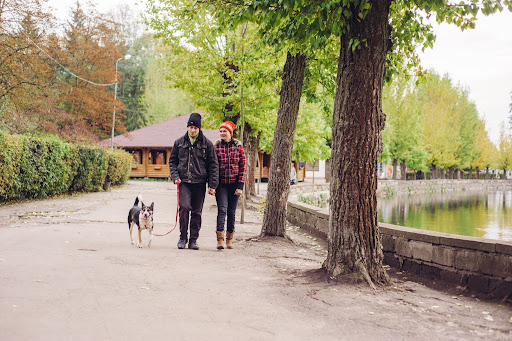
Something quiet is happening across the country. Families, remote workers, and professionals who once swore by city living are packing up and heading somewhere smaller. Not fleeing, exactly, more like choosing. Choosing breathing room. Choosing a commute that doesn’t shave years off your life.
Choosing neighbors who wave back. If you’ve been eyeing a slower pace without giving up access to real opportunity, you might already be halfway to a decision you didn’t know you’d made.
The Honest Case for Living Close to a Major City, but Not in it
Here’s a stat that stopped a lot of urban planners in their tracks: according to the USDA Economic Research Service (September 2024), rural net migration rates actually turned positive, hitting 0.47 percent. More people were moving into smaller communities than leaving them. That’s not a fluke. That’s a signal.
Take Buckley, Washington as a real example. Tucked in Pierce County, about 45 miles southeast of Seattle and 25 miles from Tacoma, it manages something tricky: genuine small-town character without geographic isolation. Strong schools, serious outdoor access, and two major metro areas within an hour’s drive. It’s the kind of place that sounds too good to be true until you actually visit.
Curious what the housing market looks like right now? Browsing homes for sale Buckley WA reveals something interesting: modern builds with open floor plans, smart home features, and EV-ready garages. Not the rustic cabins people sometimes assume when they hear “small town.”
So what actually makes this lifestyle work? Let’s get into it.
Urban Access Without Urban Headaches
Living 30 to 45 miles outside a major city isn’t the sacrifice it used to be. Hospitals, universities, airports, concert venues, specialty restaurants. They’re all still there when you need them. The difference is you don’t have to live among them to access them.
With hybrid and remote work now genuinely mainstream, most residents make that drive into the city only a few days a week, or less. That’s a fundamentally different calculation than it was a decade ago.
The Daily Quality-of-Life Shift is Real
Lower noise. Cleaner air. Traffic that actually moves. A neighbor who knows your dog’s name. These things sound small until you’ve lived without them for long enough. One longtime Buckley resident summed it up better than any data point could: “We still get to Seattle when we want to. But we don’t have to.”
That distinction, want versus have to, is everything.
Community That Isn’t Just a Word on a Sign
Here’s what city living rarely delivers: the actual feeling of belonging somewhere. Small towns build it almost automatically, and not through sentimentality, through structure. Lower population density means more repeated contact with the same people, which naturally deepens relationships over time.
People Show up for Each Other
Annual festivals, youth sports leagues, school volunteer programs, neighborhood block parties; in smaller communities, these aren’t calendar novelties. They’re just Tuesday. Or Saturday. Or whenever the town decides to gather. The point is, they happen regularly, and that consistency creates something city apartment buildings rarely do: trust.
Getting Involved is Actually Possible
Want to join the school board? Run for a town council seat? Start a local business association? In a smaller community, those doors are genuinely open, not just technically, but practically. There’s room for you.
And modern tools, local Facebook groups, community apps, and neighborhood forums make it even easier to plug in from the moment you move.
The Financial Math Tilts Heavily in Your Favor
Let’s be honest. The economic case for moving to a smaller community near a major city is almost embarrassingly clear.
More Home, More Land, Less Money
| Feature | Big City | Small Town Near City |
| Median Home Price | $650,000+ | $350,000–$450,000 |
| Average Lot Size | Under 5,000 sq ft | 6,000–10,000+ sq ft |
| Property Tax Rate | Higher | Generally Lower |
| Garage Availability | Rare | Standard |
| Privacy | Limited | Significantly More |
A backyard. A garage. A spare bedroom that isn’t also your office and storage unit. These stop being luxuries and start being realistic expectations.
The Confidence Factor
Research from the Brookings Institution found that only 40 percent of small-community residents near cities would advise young people to leave for better opportunities, compared to 61 percent in more isolated rural towns. That gap reflects something real: economic confidence tied directly to urban proximity. When people near cities believe opportunity is accessible, they stay, and they invest.
Lower monthly costs also mean something tangible for your household. Savings. Travel. Home improvements. A financial cushion that city rents routinely make impossible.
For Families, the Advantages Compound Fast
Once the financial pressure eases, everything else gets easier too. Especially raising kids.
Schools That Actually Know Your Child
Smaller class sizes translate into teachers who recognize your kid’s face and their learning style. Parent involvement is higher, specialized programs are more accessible, and proximity to Seattle or Tacoma still brings cultural field trips and big-city experiences into the picture.
Outdoor Life Isn’t Optional, It’s Just There
Trails, parks, fishing spots, open space; these surround most small communities near major cities. For kids, that means more active, less screen-saturated childhoods. For parents, it means they can exhale a little.
Here’s the Bottom Line
Smaller-town living near a major city isn’t a consolation prize. It’s a deliberate, increasingly popular choice that delivers on multiple fronts simultaneously: financial breathing room, genuine community, outdoor access, and family-friendly environments, without actually cutting you off from urban opportunity.
If any part of this resonates, the next move is simple. Take a look at what’s actually available, see the numbers for yourself, and decide whether the life you want might already be waiting somewhere quieter than you expected.
Quick Answers to the Questions You’re Probably Asking
Is commuting from a small town into a major city actually manageable?
Yes, especially with hybrid schedules. Most communities within 30–50 miles of a major city offer realistic commute windows when trips aren’t required every single day.
Do small-town schools hold up compared to city schools?
Frequently, yes. Lower student-to-teacher ratios and higher parent engagement often push smaller schools ahead on key engagement metrics.
What about internet speed and connectivity?
In communities near major cities, broadband infrastructure has expanded considerably. Many new developments include high-speed connectivity as a baseline feature, not an upgrade.
Read more: Understanding Airbag Deployment and the Risk of Injury –
Steam Humidifier Sizing and Installation Questions Worth Settling Before Purchase –
9 Best AI Tools for Product & Design Visuals in 2026 (Ranked for Accuracy) –

Add a Comment