
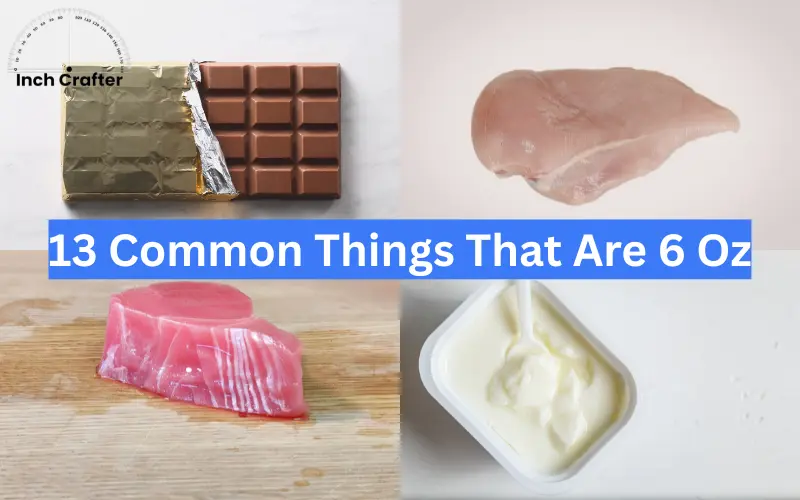
How much is 6 oz? 6 oz (6 ounces) equals about 170 grams or roughly ¾ cup of liquid. This measurement is commonly used in cooking, food packaging, and nutrition labels. Understanding how much is 6 oz becomes easier when you convert it into other units or compare it with everyday objects.
For example, 6 ounces is close to the weight of a medium apple or a small chicken breast portion, which helps you picture this amount without needing a kitchen scale.
6 Oz Conversion Table
Here are the most useful conversions for 6 ounces.
| Measurement | Equivalent |
| Ounces | 6 oz |
| Grams | ~170 grams |
| Pounds | 0.375 lb |
| Cups (liquid) | about ¾ cup |
| Tablespoons | 12 tablespoons |
| Teaspoons | 36 teaspoons |
If you are wondering how much is 6 oz in cups, remember that liquids convert directly, but solid ingredients may vary slightly depending on density.
What Does 6 Oz Look Like?
Many people struggle to imagine how much is 6 ounces just by hearing the number. However, this measurement appears frequently in everyday life, especially in cooking and portion control.
Six ounces is slightly less than a full cup of liquid and often represents a single serving of protein in many diet plans. By comparing it with familiar objects, you can easily estimate 6 oz without a scale.
13 Real-Life Objects That Weigh About 6 Oz
Here are some common objects that are roughly 6 ounces. These comparisons help you visualize how much is 6 oz in real life.
1. Medium Apple
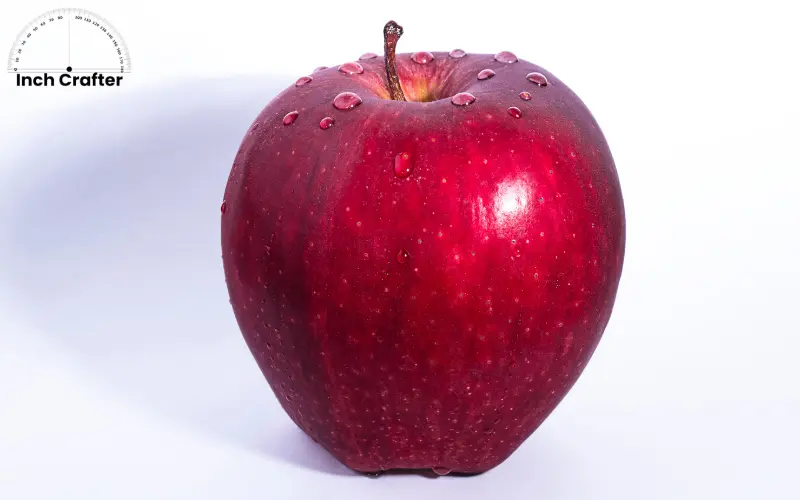
A medium apple often weighs around 6 ounces, making it one of the easiest objects to compare with this measurement.
Holding a medium apple in your hand gives a clear idea of what six ounces of food feels like. Because apples are common in everyday diets, they provide a simple and practical reference point.
2. Small Chicken Breast
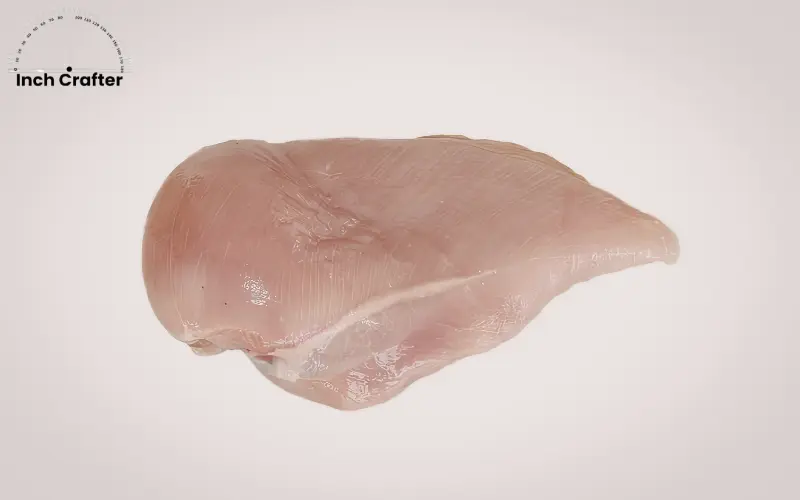
A trimmed chicken breast portion used in many meal plans frequently weighs about 6 ounces.
This amount of protein is commonly recommended for a balanced meal. When cooked, a 6 oz chicken breast usually fills the palm of your hand.
3. Standard Can of Tuna (Drained)
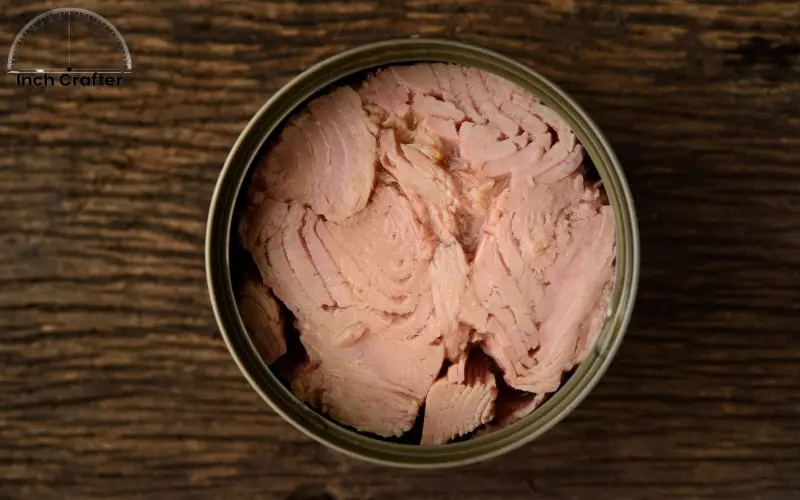
Many tuna cans list about 5–6 ounces before draining the liquid.
After draining, the edible tuna portion comes close to six ounces, which makes it a useful comparison when estimating food weight.
4. Small Yogurt Cup
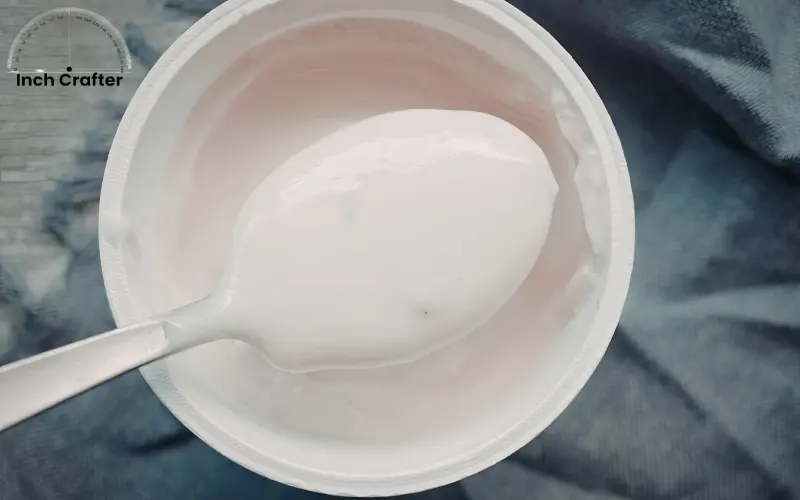
Single-serving yogurt containers are often packaged at 5–6 ounces.
This small portion is designed for quick snacks and provides a helpful example of how much is 6 ounces of food.
5. Medium Avocado (Without Pit)
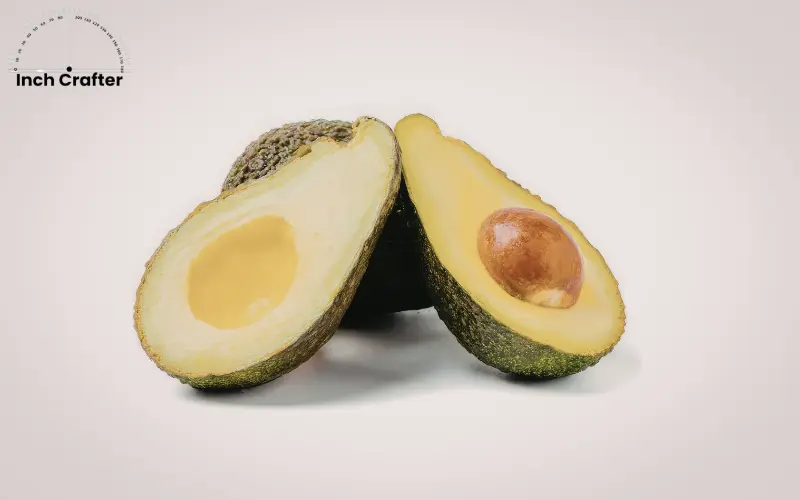
A peeled avocado without the seed can weigh around 6 ounces, depending on its size.
Because avocados are commonly used in recipes, they provide another easy reference when visualizing this measurement.
6. Small Bag of Mixed Nuts
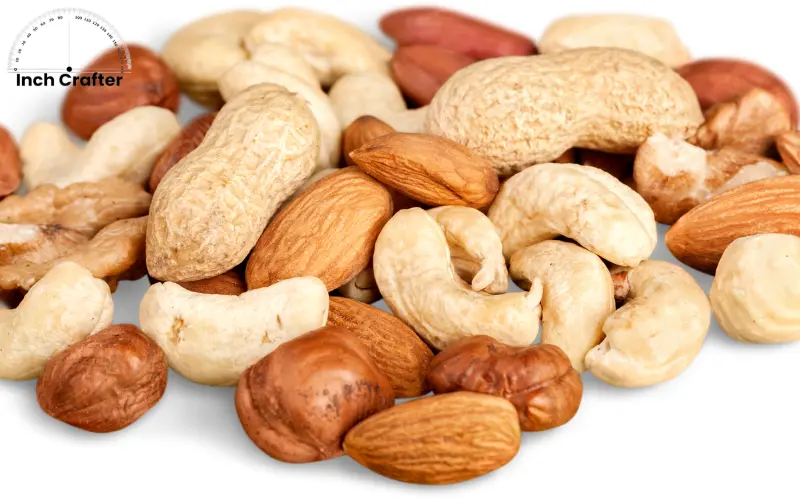
Snack-size bags of almonds, peanuts, or mixed nuts often weigh close to 6 ounces.
These packaged snacks are designed as convenient single servings, making them a realistic example of the 6 oz measurement.
7. Medium Potato
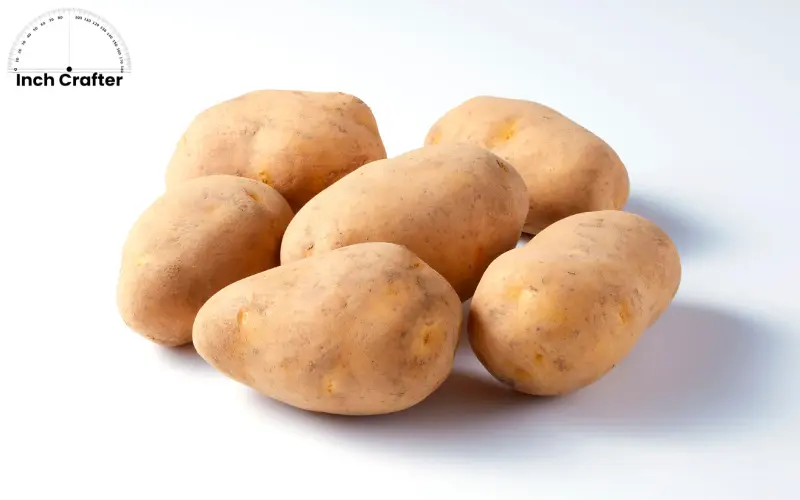
A medium potato used for baking or roasting can weigh roughly 6 ounces.
Vegetables like potatoes are often measured by weight in recipes, so knowing what a 6 oz potato looks like can help when cooking.
8. Small Juice Glass
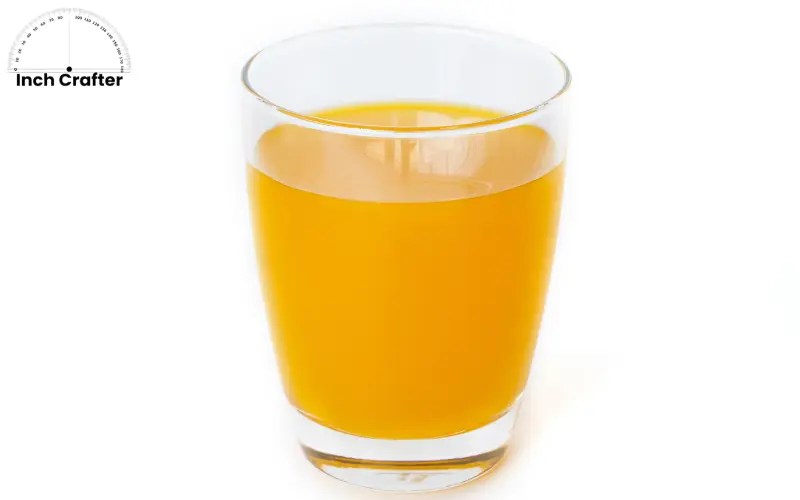
A short glass filled with juice often holds about 6 ounces of liquid.
This is slightly less than a full cup but still a common serving size for drinks.
9. Deck of Playing Cards
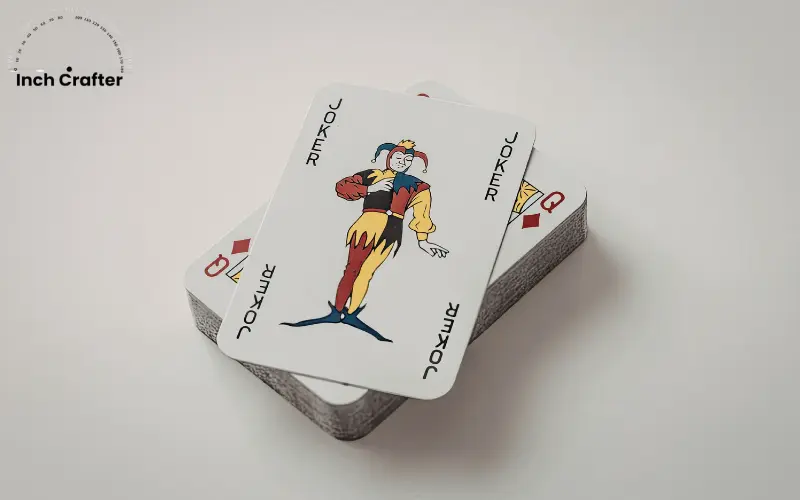
A standard deck of playing cards in its box weighs close to 6 ounces.
Even though it isn’t food, it’s a great physical comparison for understanding the weight of six ounces.
10. Medium Tomato
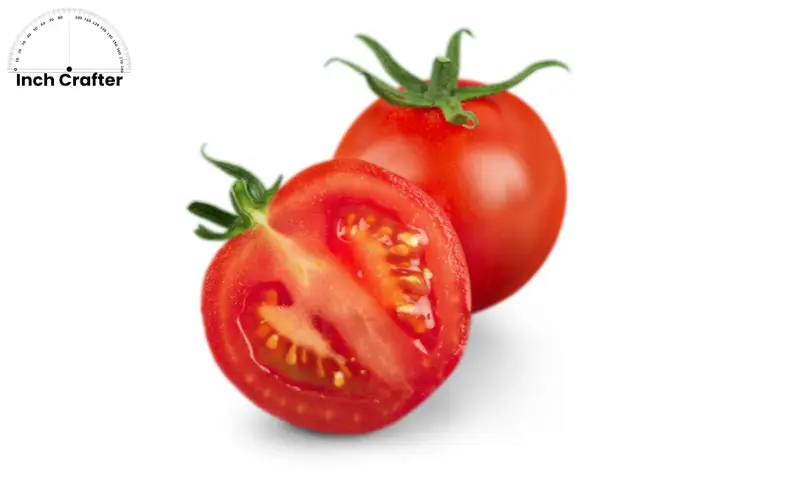
A medium tomato typically weighs between 5 and 6 ounces.
Because tomatoes are commonly used in salads and cooking, they can serve as a helpful reference for estimating food weight.
11. Small Tuna Steak
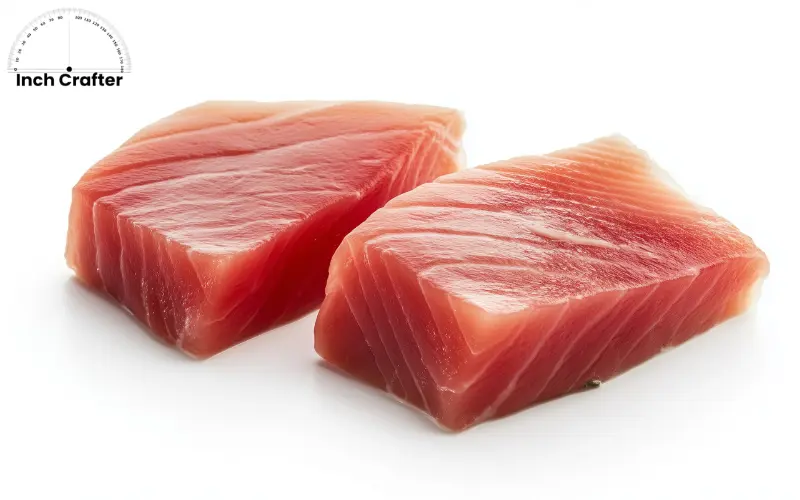
A small tuna steak used for grilling or pan-searing often weighs about 6 ounces.
Restaurants frequently serve fish portions in this size, making it a common real-world example.
12. Handful of Almonds
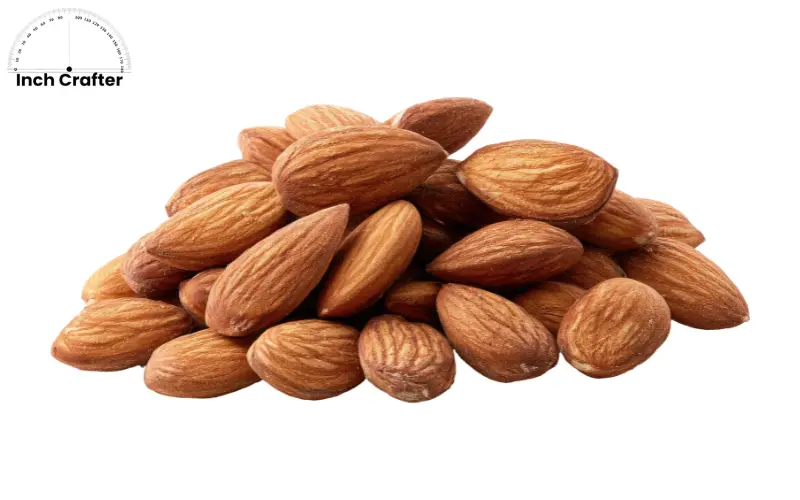
A generous handful of almonds can weigh roughly 6 ounces, depending on the size of your hand.
This comparison is useful for people tracking portion sizes in snacks or healthy diets.
13. Small Chocolate Bar
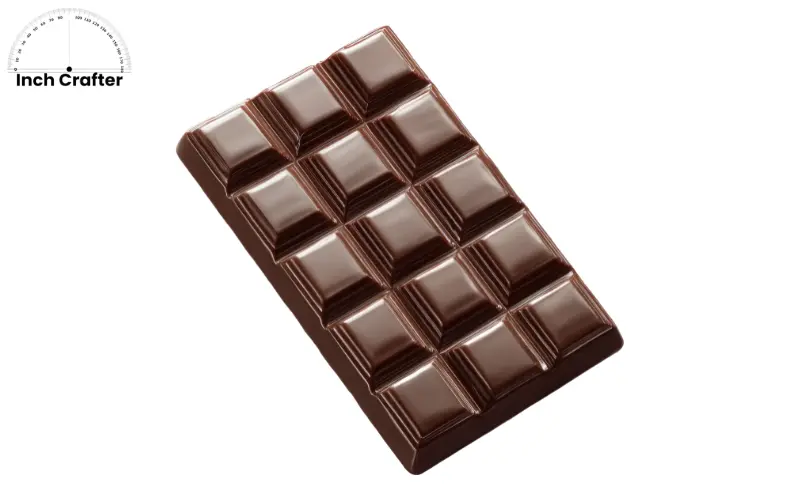
Some large single chocolate bars weigh around 6 ounces.
Holding one of these bars can give you a quick idea of how heavy six ounces feels.
We have more guides on Ounces here, you may like these too:
- 12 Common Things That Are Exactly 5 Oz
- 11 Common Things That Are Exactly 4 Ounces
- 12 Common Things That Are Exactly 3 Ounces
- 13 Common Things That Are Exactly 2 Ounces
How to Measure 6 Oz Without a Scale
If you don’t have a kitchen scale, you can still estimate 6 ounces in several ways.
Use Measuring Cups
For liquids, 6 oz equals about ¾ cup, which makes measuring very easy.
Use Tablespoons
Since 1 ounce equals 2 tablespoons, six ounces equals 12 tablespoons.
Compare With Your Palm
For meats and proteins, a palm-sized portion is usually close to 6 ounces.
Is 6 Oz a Big Portion?
Whether 6 ounces feels big or small depends on the situation.
For food servings, six ounces is considered a moderate portion, especially for protein like chicken or fish.
For liquids, however, 6 ounces is slightly smaller than a cup, which makes it a relatively small drink serving.
FAQs
How much is 6 oz in cups?
For liquids, 6 oz equals about ¾ cup.
How much is 6 ounces in grams?
Six ounces equals approximately 170 grams.
What does 6 oz of meat look like?
A 6 oz portion of meat is usually about the size of your palm.
Is 6 oz half a cup?
No. Half a cup equals 4 ounces, while 6 ounces is about ¾ cup.
How can I measure 6 oz without a scale?
You can use ¾ cup, 12 tablespoons, or compare it with common objects like a medium apple.
Conclusion
Knowing how much is 6 oz becomes much easier when you convert it into familiar measurements and everyday comparisons. Six ounces equals about 170 grams or roughly three-quarters of a cup, which is a common portion size used in cooking and nutrition.
By comparing six ounces with objects like a medium apple, a small chicken breast, or a deck of playing cards, you can quickly visualize this measurement without needing a scale.
Whether you’re preparing recipes, measuring liquids, or planning meal portions, knowing how much is 6 ounces helps you estimate ingredients more accurately and confidently.

Add a Comment