

Ever stopped and thought about how big is 2cm in real life? On paper it looks like a tiny number, but once you connect it with everyday objects, it becomes surprisingly easy to picture. In simple terms, 2 centimeters equals 0.79 inches or 20 millimeters, which is roughly the width of a small button or your fingernail.
This small measurement appears more often than you think — in crafts, electronics, clothing details, and even quick home measurements. So instead of memorizing numbers, let’s turn 2 cm into something you can instantly recognize with your eyes.
Quick Conversion Table for 2 cm
| Unit | Value |
| Inches | 0.79 in |
| Centimeters | 2 cm |
| Feet | 0.065 ft |
| Meters | 0.02 m |
| Millimeters | 20 mm |
What Does 2cm Look Like?
When people ask “how long is 2cm” or “how much is 2 centimeters,” they’re usually trying to visualize the size without a ruler.
Two centimeters is:
- About the width of your index fingernail
- Close to the diameter of a small shirt button
- Similar to the thickness of two stacked coins
It’s not long at all — but it’s not microscopic either. It sits in that useful middle zone where you can see it clearly and measure small items like craft materials, jewelry parts, screws, or electronic components.
Real-Life Objects That Are About 2cm Long
Here are strong, accurate comparisons that make understanding 2 cm effortless.
1. The Width of an Average Fingernail
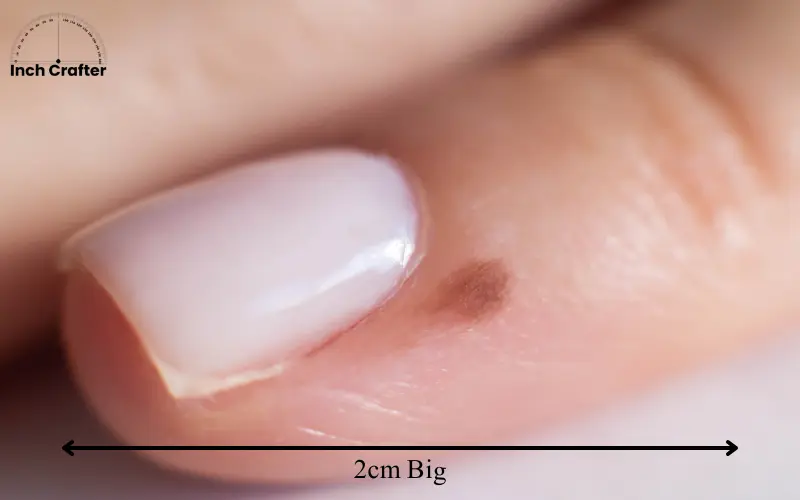
For most adults, the visible width of the index fingernail is very close to 2 cm. That makes your own hand a built-in measuring tool. You don’t need any equipment — just look down.
This is why tailors, artists, and designers often use finger widths for quick estimates. It’s always available and surprisingly consistent.
2. A Standard Shirt Button (Small to Medium)
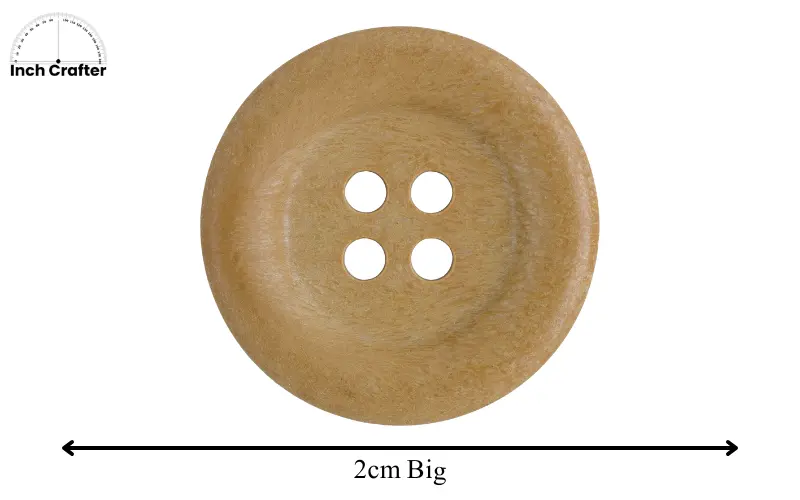
Many everyday shirt buttons measure around 2 cm across. You see them on formal shirts, school uniforms, and casual wear.
It’s a perfect comparison because you interact with buttons daily, and their size is designed to be comfortable for fingers to hold and fasten.
3. Two Stacked 1-Rupee Coins
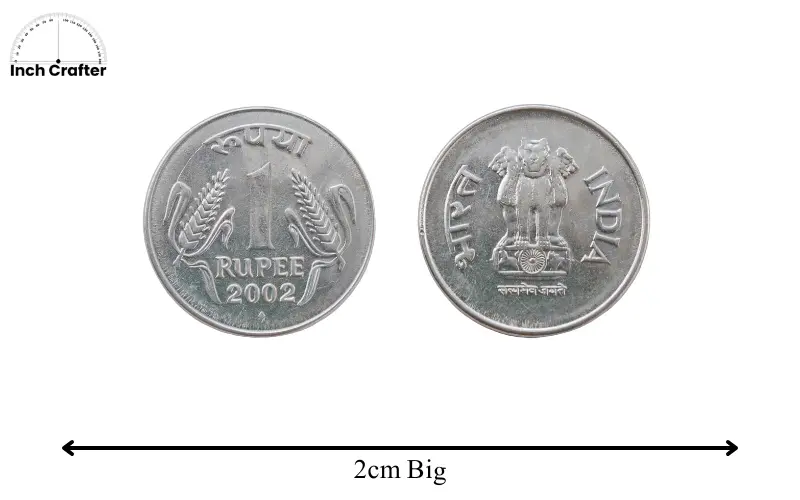
If you stack two Pakistani 1-rupee coins, their combined thickness comes very close to 2 centimeters.
This example works well at home because coins are easy to find and give a surprisingly accurate visual reference for small measurements.
4. The Diameter of a Small Marble
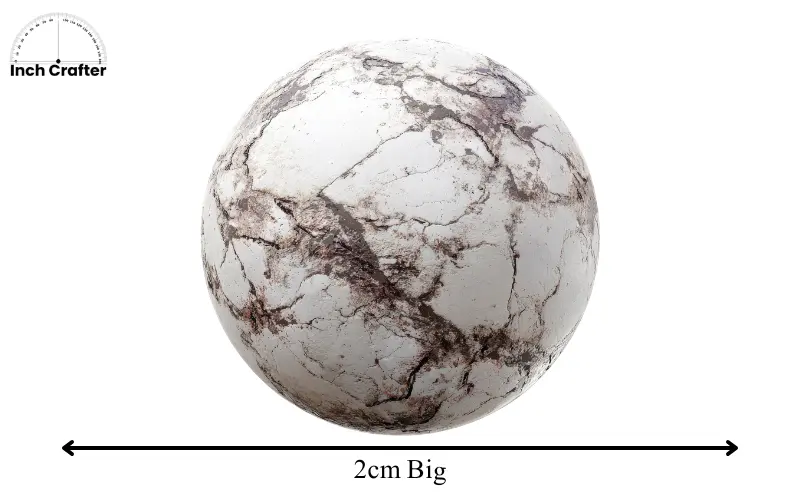
Many toy marbles — especially the smaller ones — are around 2 cm wide.
Children use them in games, and crafters use them for decoration. Their round shape makes the measurement easy to understand from every angle.
5. A USB-C Port Height
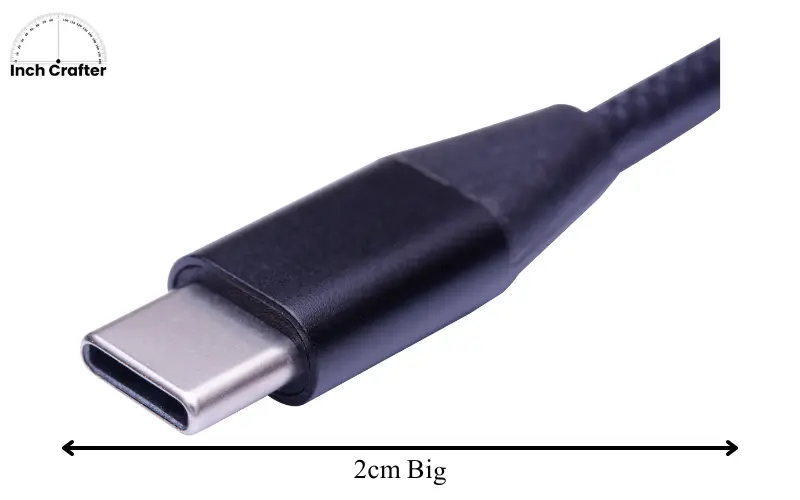
The height of a USB-C port opening on laptops and phones is very close to this size.
This makes 2 cm relevant in modern tech — especially when visualizing small hardware components and spacing between ports.
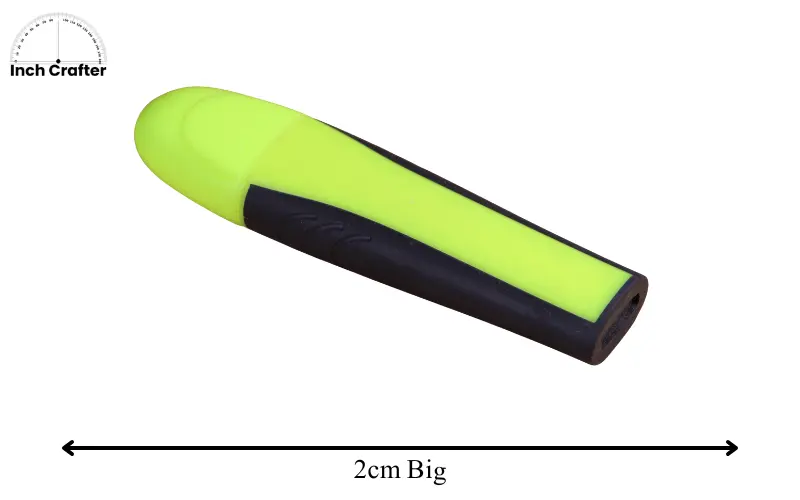
6. The Width of a Highlighter Tip Cap
The small cap at the back of many highlighters measures about 2 cm.
Students, teachers, and office workers see this every day, making it a practical real-world size reference.
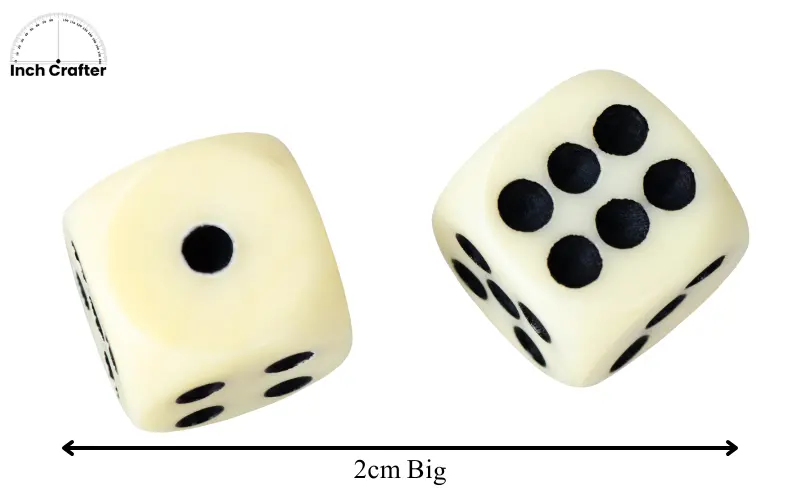
7. A Dice Cube (Standard Small Game Dice)
Some compact board-game dice are almost exactly 2 cm per side.
Because they’re perfectly square, they help you understand the measurement in three dimensions, not just length.
8. The Thickness of a Standard Marker
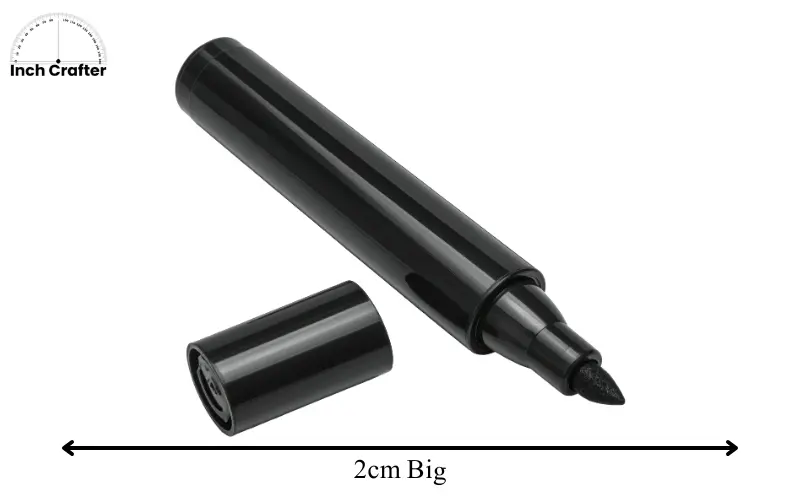
The barrel thickness of many slim markers is close to 2 cm.
This is useful for artists and students who need to estimate spacing while drawing or writing.
9. The Diameter of a Bottle Cap (Small Soda/Water)
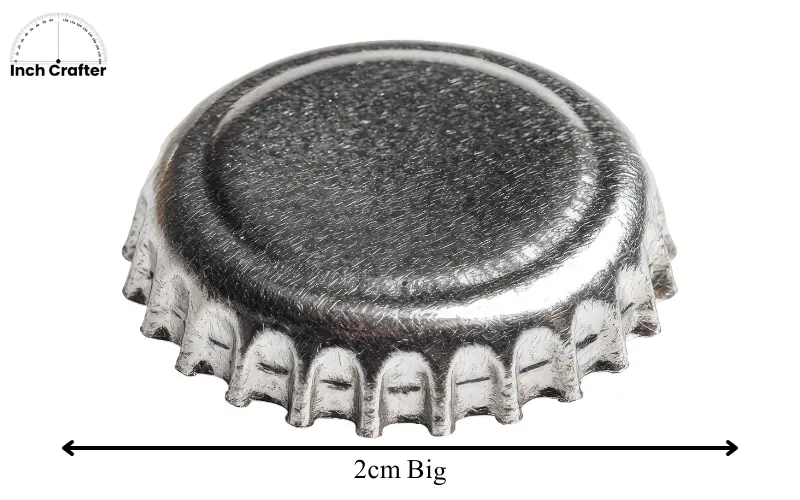
Many plastic bottle caps measure very close to 2 cm across the inner opening.
It’s a familiar kitchen reference and a reliable everyday size comparison.
10. A Peanut in Its Shell (Short Side)
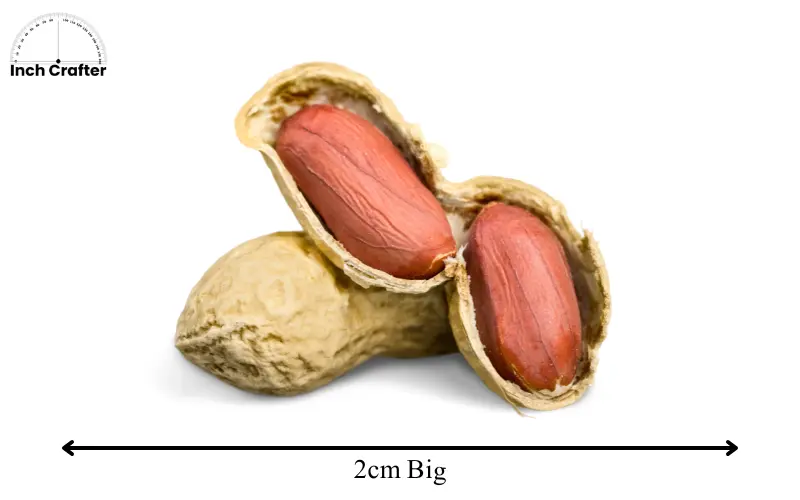
The shorter width of a peanut shell is often about 2 cm.
This is a fun, natural example that makes the measurement feel more real and less technical.
How to Measure 2cm at Home Without a Ruler
You don’t need a scale or measuring tape. Try these:
- Use your fingernail width → quick and surprisingly accurate
- Stack two small coins → instant 2 cm reference
- Compare with a shirt button → works anywhere
- Use a marble or dice → great for crafts and school projects
- Phone charging port spacing → helpful for tech users
These methods are practical because they use objects that are already standardized in size.
Is 2cm Big or Small?
The answer depends on context.
In Luggage
2 cm is tiny — it’s just a small fabric thickness or zipper height.
On Screens
It’s about the width of a small app icon. Very small visually.
In Furniture
Almost nothing — just the thickness of a thin board.
In Height
Extremely small — shorter than the width of two fingers.
In Everyday Use
Perfect for:
- Jewelry parts
- Screws
- Craft materials
- Small electronic components
So while 2 cm is small, it’s very important for precision tasks.
FAQs
Is 2 cm equal to 1 inch?
Not quite. 2 cm equals 0.79 inches, which is slightly less than one inch.
How can I measure 2 cm with my hand?
Use the width of your index fingernail — it’s very close for most adults.
What household item is exactly 2 cm?
A small shirt button or the width of a marble is usually around 2 cm.
Is 2 cm big for a tumor or object?
It’s considered small in medical terms, roughly the size of a peanut.
How much is 2 centimeters in millimeters?
2 cm equals 20 millimeters.
Can I estimate 2 cm without tools?
Yes — coins, fingernails, buttons, and dice all give quick visual references.
We Have More Free Guides on Measurement check out Now:
- 12 Common Things That Are Exactly 25 Inches Long
- 10 Common Things That Are Exactly 24 Inches Long
- 10 Common Things That Are Exactly 23 Inches Long
- 10 Common Things That Are Exactly 22 Inches Long
Why Understanding Small Measurements Like 2 cm Matters
Tiny measurements are everywhere — in gadgets, clothing, home improvement, medical reports, and crafts.
When you truly understand how big 2 cm is, you:
- Make better buying decisions online
- Understand product dimensions instantly
- Improve DIY accuracy
- Visualize sizes without tools
And that’s the real goal — turning numbers into something your brain can instantly picture.
Conclusion
Now you don’t have to guess how big 2 cm is. From small daily objects to quick visual comparisons, you can estimate it without even touching a ruler. That’s what makes understanding measurements useful in real life.
The next time you see 2cm, you’ll immediately know the size in your mind. Simple, clear, and practical — just the way measurements should be.

Add a Comment