
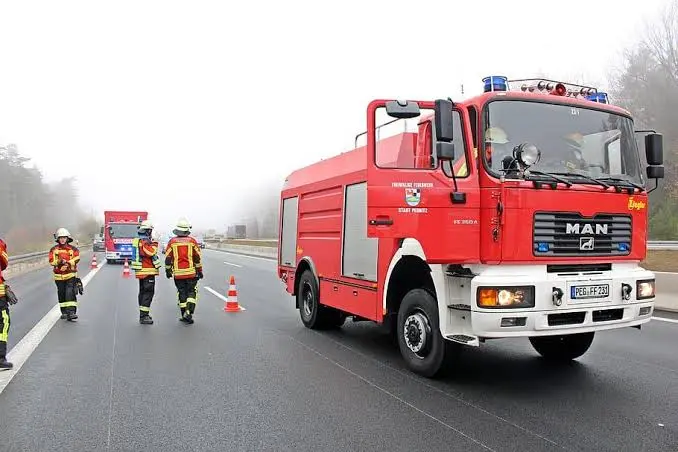
Problems with business life-safety systems can quickly put real estate, factories, and companies with more than one location in danger. When sprinkler pipes break, alarm panels do not work, or risky hot work is done, building managers must act fast to fix the issue and meet the rules. Local fire teams will be quick to help and ask for real people to watch the area if the main warning or fire systems go down.
If you wait too long to add safety steps, your building may face big local fines, people might have to leave, or you could lose a lot of property. For businesses that run sites in more than one place, working well and following all the rules means you need a safety partner. That partner needs to send trained people to your building in a few hours when there is a problem.
Having a good nationwide fire watch team means there is always someone watching, so your risk goes down, and you are able to meet all local fire safety rules no matter where you are.
National Regulatory Compliance: IFC 901.7 and Impairment Timelines
Under International Fire Code (IFC) Section 901.7 and National Fire Protection Association (NFPA) standards 25, 72, and 241, emergency steps start right away if fire systems or alarm systems stop working. NFPA shows that fires in non-residential business buildings lead to over $1.2 billion in direct property damage every year. A main reason for this big loss is when fire systems are not working or are out for some time.
When the automated systems stop working for more than 4 hours in a day, the building operators need to choose one of two options.
- Immediate Facility Evacuation: Stop work at once and move everyone out of the building.
- Approved Fire Watch Deployment: Put trained safety workers on patrol to watch all the areas that are affected.
Why Centralized Deployment Speed Is the Ultimate Safety Metric
Putting certified safety staff on your site in one to three hours can stop fire marshals from giving you a red-tag shutdown order. This also helps keep your insurance claims good. Most local security guard companies may take a day or two to start. They often do not give the same NFPA training in every state.
| Performance Metric | Local Guard Agency | Consolidated Nationwide Fire Watch |
|---|---|---|
| Response Turnaround | 24–48 hours notice required | Live 24/7 dispatch (1–3-hour on-site arrival) |
| Coverage Scope | Single city or metro area | Multi-state coverage across all 50 states |
| Code Specialization | Generic security guards | OSHA & NFPA-trained fire officers |
| Audit Documentation | Basic paper logs | GPS-tracked, marshal-ready digital logs |
Essential Duties Executed During Emergency On-Site Patrols
After the system is ready, certified fire watch officers start their work. The machines do not work, so people step in to keep an eye on everything. They use real people instead of the broken machines.
- Nonstop Floor Patrols: Do checks on the floor every 15 to 30 minutes. You need to find smoke, hot spots, or things that may burn.
- State-Approved Log Keeping: You have to keep a record of times, patrols, and how each area is doing. This is needed by the local person checking.
- Emergency Evacuation Management: Call 911 right away if there is a problem. Help people get out by safe paths.
Securing Enterprise Continuity Across Multiple Locations
When life-safety gear stops working, using small local companies can make things feel more risky and tough. A trusted nationwide fire watch team keeps your business safe and ready for checks all the time. You can feel sure that you follow every rule in every place you work.
Also Read

Add a Comment