
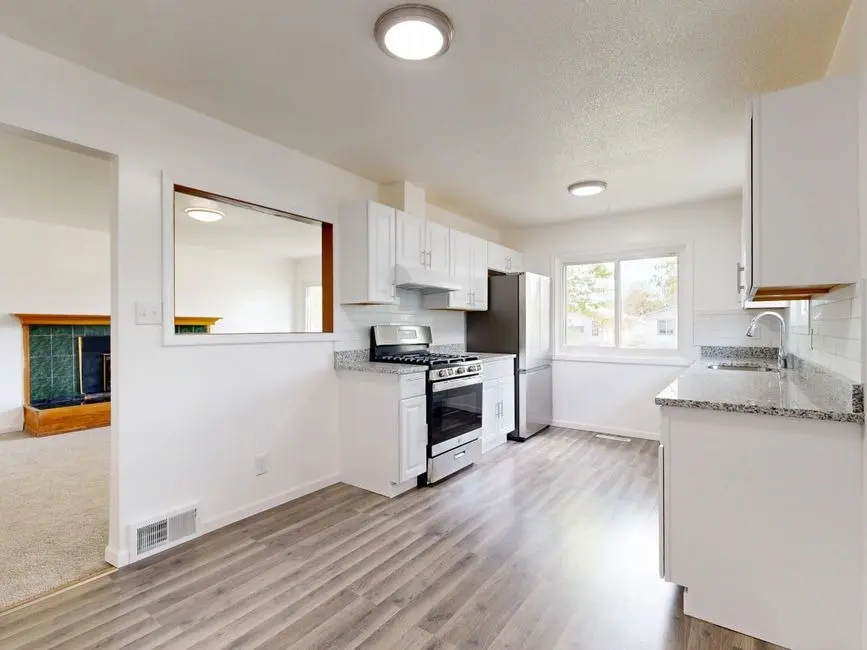
A kitchen absorbs more daily use than any other room in a house. It is where meals get made, where children do homework, and where guests end up standing no matter how much space the rest of the home offers. When it stops working properly, the whole house starts to feel smaller and less comfortable.
Most homeowners who set out to update one run into the same three pressures pulling against each other: what they can reasonably spend, what they need the room to do, and how they want it to look. Favoring one at the expense of the other two is the most common source of regret. The aim is a plan in which all three hold together.
When Small Fixes Stop Being Enough
Most rooms reach a stage where touch-ups and repairs no longer deliver anything close to a fair return. A kitchen that has been updated piece by piece across many years tends to end up with mismatched finishes, cabinet doors that no longer close cleanly, and a layout that quietly works against the people using it.
Rebuilding the room in one planned project, rather than correcting a single problem at a time, is usually the more sensible answer at that point. Homeowners in that position often commit to a full kitchen remodel, where layout, cabinetry, lighting, and finishes are handled together by one team from the first design conversation through to the final walkthrough.
A Budget That Matches Your Priorities
The first honest conversation any homeowner needs to have is with themselves. Before looking at a single photograph of a finished room, it helps to decide what the upper limit is and to hold a portion of it back for the surprises that older homes always produce. Walls hide plumbing that was never done well. Floors hide damage that nobody knew about. A sensible reserve keeps a small discovery from turning into a stalled project.
Once that figure is set, the useful exercise is ranking rather than trimming. Write down everything you want, then mark each item as essential, valuable, or optional. Essentials are the things that make the room usable: sound cabinets, durable surfaces, proper lighting, and enough storage. Valuable items improve daily life without being strictly necessary.
Function Comes Before Everything Else
A beautiful kitchen that is tiring to work in will disappoint its owners within weeks. Function is not a technical concern to be left to someone else. It is simply the question of how easily you can move between the places where you store food, prepare it, cook it, and clean up afterward.
Walk through your own routine honestly. Where do you set groceries down when you come through the door? Is there a clear surface beside the oven for a hot tray? Can two people work at the same time without colliding? Do the drawers you open most often sit closest to where you stand? These questions sound small, and they are the ones that decide whether a room feels effortless or awkward for the next fifteen years.
How to Choose Materials That Last
Materials are where cost, appearance, and practicality meet most directly. The temptation is to choose by looks alone, then discover a year later that the surface stains easily or the finish shows every mark.
Think about how your household actually behaves. A home with young children and heavy weekday cooking needs surfaces that forgive spills, heat, and impact. A quieter household can afford to choose more delicately.
Countertops take the most abuse and are the most disruptive to replace, so they usually justify better quality. Cabinet boxes matter more than cabinet doors, because the structure determines how long everything stays square and functional. Doors and hardware can be changed later at modest cost. The frames inside cannot.
Style That Suits the Way You Live
Style is the part everyone enjoys, and the part most likely to date badly. The safest approach is to keep the permanent elements calm and let personality live in the things that are easy to swap. Cabinet color, wall finish, hardware, seating, and light fixtures can all be changed in an afternoon or a weekend. Layout, counters, and flooring cannot.
That does not mean settling for a room with no character. It means putting the character where it can evolve with you. A neutral foundation gives you room to change your mind without starting over, and it tends to appeal to a wider range of buyers if you ever sell.
Lighting is the element most often treated as an afterthought and the one that changes a room most dramatically. A single ceiling fixture leaves you working in your own shadow.
Where It Makes Sense to Spend More
Not every part of a kitchen rewards a bigger investment. Spending generously on things you touch every day, such as drawer runners, faucets, and handles, pays back constantly in small moments of satisfaction. Spending generously on decorative details that sit out of reach usually does not.
Anything difficult or disruptive to change later deserves the stronger share of the budget. Moving plumbing, adjusting a layout, or improving electrical capacity is far cheaper while the room is already open than as a separate job two years on. Decorative choices, by contrast, can wait until funds recover.
Plan the Work Before It Starts
Almost every difficult project shares one cause, which is decisions made too late. Selections that are still unresolved when work begins create delays, and delays create cost.
Settle your choices early. Confirm finishes, fittings, and layout before anyone lifts a tool. Agree on a written scope so that you and the people doing the work share the same understanding of what is included. Ask how you will be kept informed and who to contact when a question comes up.
The Balance That Holds Up Over Time
Cost, function, and style are not really competing. They compete only when decisions are made in isolation. A budget built around priorities protects the things that matter. A layout built around your routine makes the room pleasant to use. A style built on a calm foundation keeps it looking right long after the work is finished.
Take the planning slowly, spend where it counts, and let the room be shaped by how you live rather than by a photograph. That is what separates a kitchen you tolerate from one you are glad to walk into every morning.
Also Read

Add a Comment