
Your bathtub can quietly become one of the most frustrating fixtures in your home. In Orlando, where heat and humidity stick around for much of the year, bathrooms work hard year-round. The city’s 1991–2020 normal annual temperature is 73.0°F, and in 2025 the average temperature reached 74.2°F, about 1.2°F above normal.
That warm, moisture-heavy environment can make worn caulk, dated finishes, mildew-prone corners, and aging tubs feel even more noticeable. If you’re thinking about replacing one, it helps to understand what the process involves, what it costs, and how to avoid choices you’ll regret later. A tub swap sounds simple. The details are where things get interesting.
Signs your bathtub is ready to go
Some tubs just look old. Others actively make your bathroom less functional. Chips, rust stains, stubborn mildew around failing caulk, and surface cracks are usually the first red flags. If the tub feels rough underfoot or never seems fully clean, the finish may be worn past the point of easy repair.
You should also pay attention to comfort and layout. A tub that’s too narrow, too deep, or awkward to step into can become a safety issue. That matters even more if kids, older adults, or anyone with limited mobility uses the bathroom.
Plumbing problems can also point to replacement. Frequent leaks near the drain, water damage around the base, or soft flooring nearby often mean the tub isn’t the only thing struggling. At that point, patch jobs start acting like bandages on a cracked phone screen. Technically there, not actually helping much.
What happens during a tub replacement project
A bathtub replacement usually starts with measurements, plumbing checks, and material selection. Your contractor needs to know the exact alcove size, drain placement, wall condition, and how the new unit will fit through doors and hallways. Yes, your bathtub has to make the journey indoors like an awkward oversized guest.
Then comes demolition. The old tub gets disconnected, surrounding wall material may be removed, and any hidden damage is assessed. This is often where surprises show up, especially in older homes. Water-stained framing, mold, outdated drain lines, and uneven subfloors are common.
Once the area is prepped, the new tub is set, leveled, connected, and sealed. Wall surrounds, tile, or waterproof panels go back in after that. An Orlando tub replacement company can help manage both the visible upgrade and the behind-the-wall details, including plumbing connections, sealing, and waterproofing. The tub gets the attention, but the plumbing and waterproofing do the heavy lifting.
Repair, refinish, or replace: how to choose
Not every bad-looking tub needs to be pulled out. If the structure is solid and the issue is mostly cosmetic, refinishing may buy you several more years. It usually works best for minor staining, surface dullness, or small chips. The catch is durability. A refinished tub can look great at first, but heavy use and harsh cleaners may wear it down faster than you’d like.
Repairs make sense when the damage is limited and highly localized. One cracked drain area or a tiny fiberglass split may be fixable. Large cracks, ongoing leaks, and major wobbling are different stories.
Replacement becomes the smarter move when multiple problems stack up at once. If you’re already changing tile, updating plumbing, or dealing with hidden moisture damage, a full swap often saves money over time. You’re not just making it prettier. You’re resetting a high-use part of the bathroom before small issues start charging rent.
Best tub materials for real-life use
Tub material affects comfort, maintenance, price, and lifespan. Acrylic is one of the most popular options because it’s lightweight, affordable, and easy to clean. It also holds heat reasonably well, which matters if you like baths that don’t turn lukewarm in ten minutes.
Fiberglass is usually cheaper, but it tends to scratch and wear out faster. Cast iron is extremely durable and keeps heat beautifully, though it’s heavy enough to make installers and floor joists sweat a little. Porcelain-coated steel sits in the middle, offering a classic look with decent durability, though it can chip.
You should also think beyond the shell. Slip-resistant floors, integrated armrests, built-in shelving, and low-threshold entry can make a daily difference. A pretty tub that’s annoying to use gets old fast. The best choice is often the one that fits your routine, your cleaning habits, and your house structure, not just your Pinterest board.
Budget factors people often overlook
Most people focus on the price of the tub itself. Fair enough, since that’s the visible star of the show. The budget, however, usually depends more on labor, plumbing adjustments, wall repair, disposal, and waterproofing than the tub alone.
A direct replacement with the same size and drain location tends to cost less. Once you move plumbing, upgrade surrounds, replace valves, or fix water damage, the number climbs quickly. Permit requirements and code updates can also affect costs, especially in older homes.
It helps to ask for detailed estimates that separate materials from labor. You’ll want to know whether demolition, haul-away, trim work, and cleanup are included. Cheap quotes can leave out important steps, then add them later when your bathroom is already in pieces. That’s not a negotiating moment. That’s a hostage situation with grout dust.
Design choices that improve resale and daily use
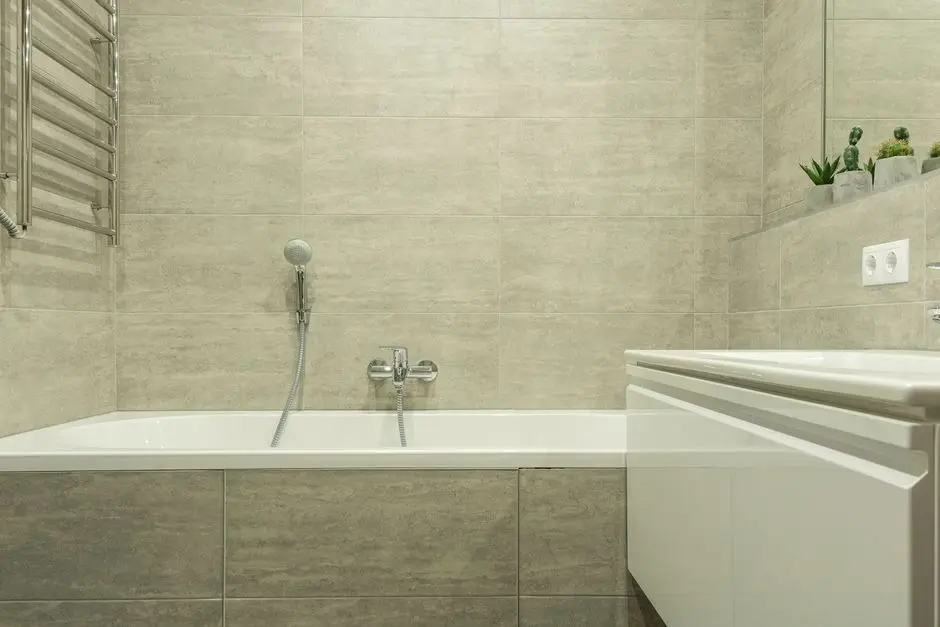
A tub replacement can make your bathroom feel newer without a full remodel, but design choices still matter. Neutral colors usually age better and appeal to more buyers if you plan to sell. White, soft gray, and clean stone-look surrounds tend to stay relevant longer than trend-heavy colors.
Function should lead the decision. If your household rarely takes baths, a tub-shower combo with easy-clean wall panels might make more sense than a deep soaking model. If you have only one bathroom, keeping at least one tub in the home can help resale value, especially for families with young children.
Think about maintenance too. Fewer grout lines, mold-resistant sealants, and smooth wall systems can reduce cleaning time in a very real way. A stylish bathroom is great. A stylish bathroom that doesn’t demand a weekly scrubbing marathon is better.
How to prepare before installation day
Good prep makes the project smoother and cuts down on stress. Clear the bathroom completely, including rugs, toiletries, shower curtains, and anything breakable. If the path to the bathroom is narrow, move furniture or wall decor that could get bumped during delivery and removal.
You should also ask how long the bathroom will be out of service. Some jobs wrap up quickly, while others stretch longer if repairs are needed. If it’s your only bathroom, that timeline matters a lot more than you think.
Before work starts, confirm who is responsible for permits, debris disposal, dust control, and final sealing. Take photos of the area too. They can help if questions come up later about existing damage or completed work.
A tub replacement can be a smart upgrade when you plan it well. You get a cleaner look, better function, and fewer hidden headaches under the surface. Your bathtub may never thank you, but your knees, your cleaning routine, and your future self probably will.
Also Read-Tech Leader Onboarding Checklist for High-Growth Companies

Add a Comment