Concrete resurfacing has become an increasingly popular alternative to full concrete replacement, offering a way to refresh worn or damaged concrete surfaces without the cost and disruption of tearing out and repouring an entire slab. Understanding when resurfacing is actually the appropriate choice helps homeowners avoid either overpaying for unnecessary replacement or under-addressing a problem that genuinely needs it.
What Concrete Resurfacing Actually Involves
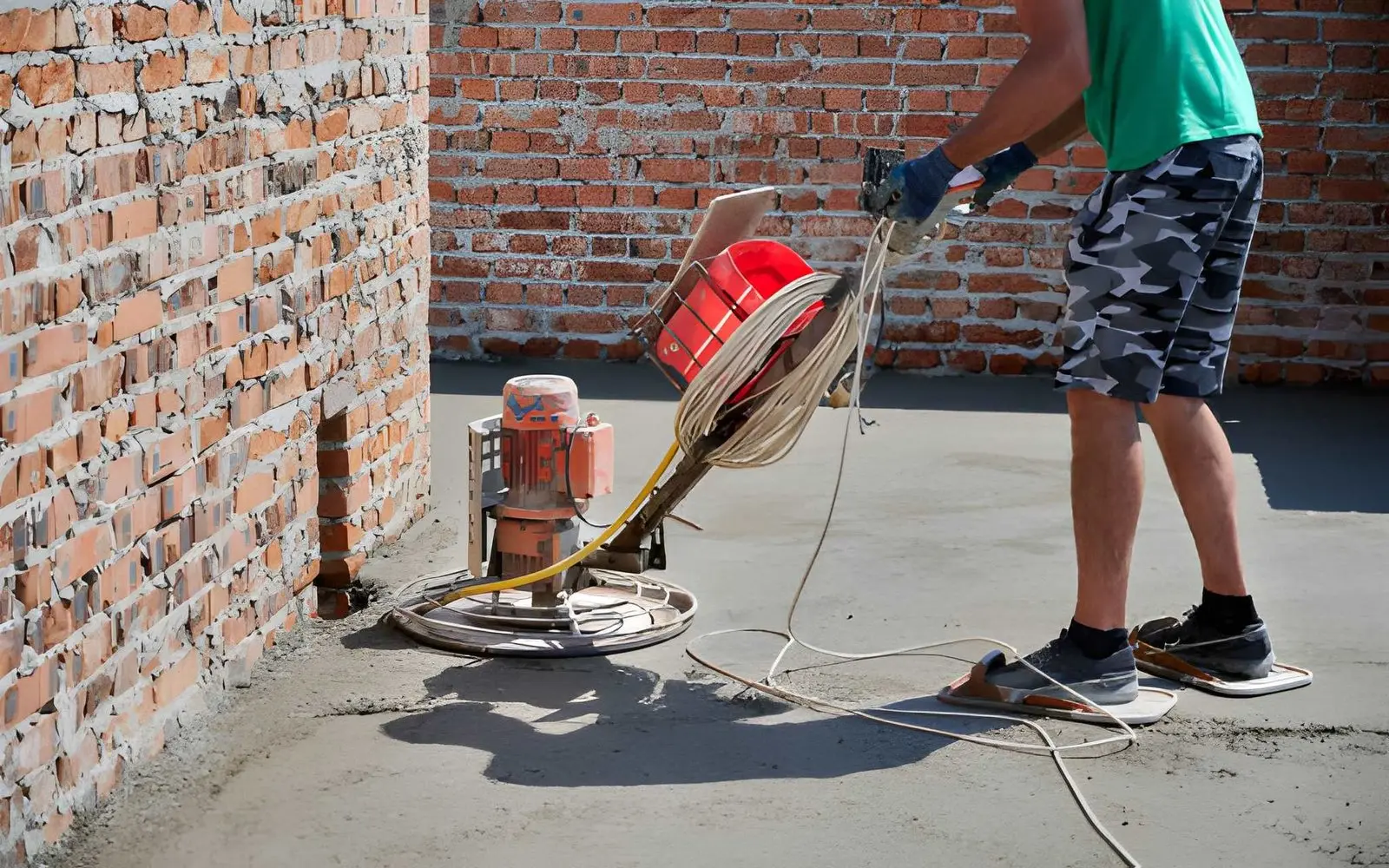
Resurfacing applies a new, thin overlay to existing concrete, bonding to the original surface to create a refreshed, often textured or colored finish. This process is considerably less invasive than replacement, since it works with the existing slab rather than removing and repouring it entirely.
When the Existing Slab Is Structurally Sound
Resurfacing works well when the underlying concrete slab is structurally sound but cosmetically worn — surface cracking, staining, or general wear without significant structural movement or settling. A sound structural base is the key prerequisite for resurfacing to be a viable, long-lasting solution rather than a temporary cosmetic fix.
When Replacement Becomes Necessary Instead
Significant structural cracking, noticeable settling or unevenness, or extensive damage that goes beyond the surface layer generally indicates that resurfacing won’t provide a lasting fix, and full replacement becomes the more appropriate, if more expensive, solution. Attempting to resurface a structurally compromised slab typically results in the same issues reappearing relatively quickly.
Cost Comparison Between the Two Approaches
Resurfacing is generally significantly less expensive than full replacement, since it avoids the demolition, disposal, and full repouring costs that replacement requires. This cost difference makes resurfacing an attractive option whenever the underlying structural condition supports it as a viable long-term solution.
Aesthetic and Design Flexibility With Resurfacing
Modern resurfacing products offer considerable design flexibility, including a range of colors, textures, and patterns that can meaningfully update a concrete surface’s appearance, sometimes exceeding what the original concrete looked like even when new. This makes resurfacing appealing not just as a repair option but as a genuine aesthetic upgrade.
Getting an Accurate Assessment Before Choosing
Since the right choice depends heavily on accurately assessing the existing slab’s structural condition, homeowners considering concrete resurfacing benefit from a professional evaluation before committing to either path. Companies like Zion Outdoors can assess whether a specific surface is a good resurfacing candidate or whether underlying issues would make replacement the more sensible long-term investment.
Resurfacing offers genuine value when the underlying concrete is structurally sound, providing a cost-effective way to refresh a worn surface without the expense and disruption of full replacement.
Also Read-Best Portable Power Stations for Home Backup Power

Add a Comment