
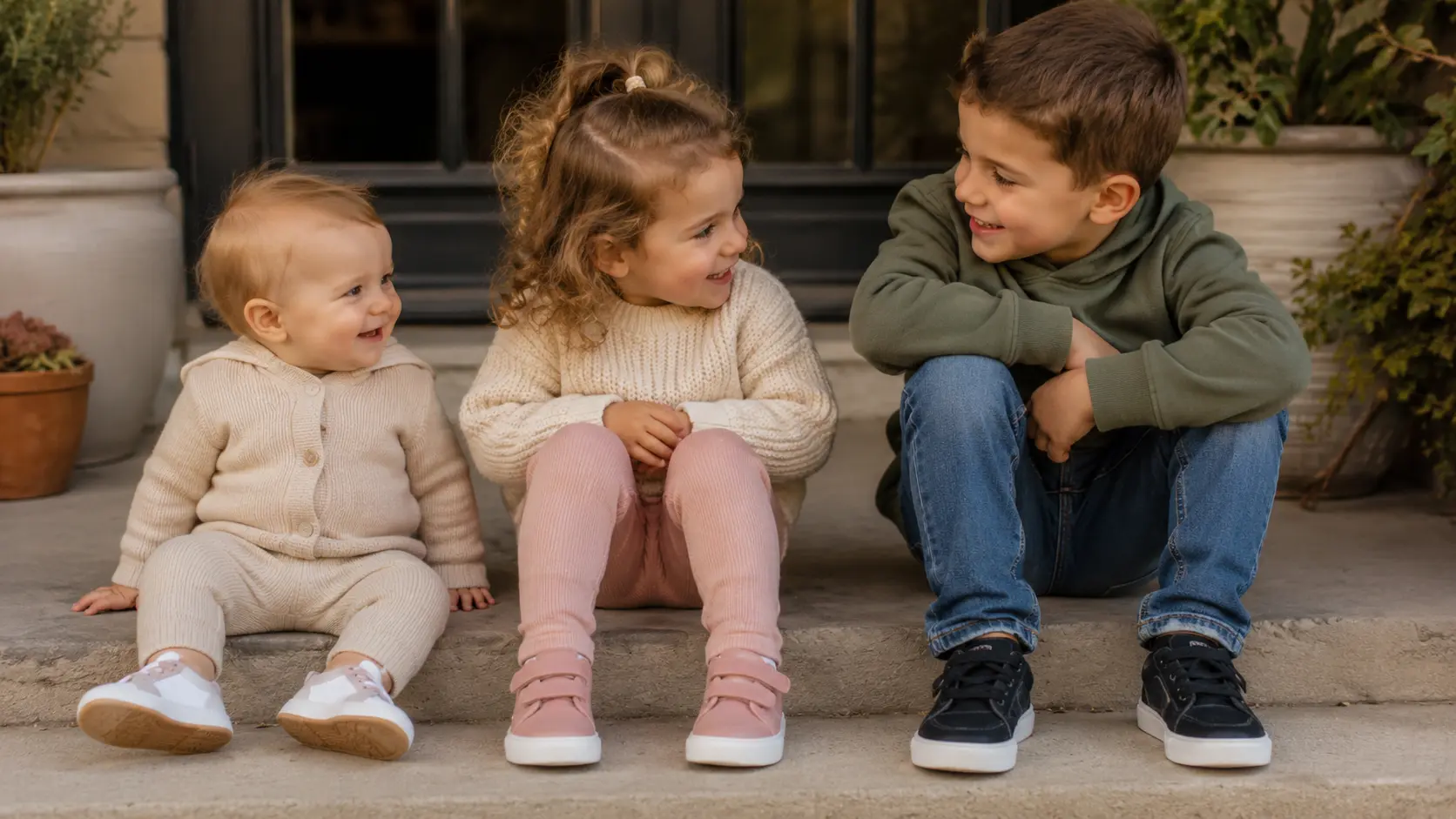
Learning to do small daily tasks independently is an important part of childhood. Children gradually learn how to dress, organize their belongings, prepare for school, and take responsibility for personal items. Footwear may seem like a small part of this process, but the right shoes can make it easier for a child to manage daily routines without needing constant assistance from an adult.
Choosing practical Kids Sneakers can support this growing independence because sneakers are often easy to wear, comfortable for different activities, and suitable for regular use. When children can put on, fasten, remove, and care for their own shoes, they gain confidence in handling other everyday responsibilities as well.
Why Independence Matters During Childhood
Independence does not mean expecting children to manage everything alone. It means giving them age-appropriate opportunities to try simple tasks, make small choices, and learn from experience.
Daily routines provide many natural learning opportunities. Putting on shoes before school, choosing footwear for an outing, and placing shoes in the correct storage area are all useful habits.
These tasks may appear minor to adults, but they can help children improve coordination, decision-making, patience, and personal responsibility.
Footwear Can Be Part of a Morning Routine
Mornings are often busy for families. Children need to get dressed, eat breakfast, prepare school items, and leave on time. Shoes that are difficult to manage may create delays and frustration.
A practical pair should be easy enough for the child to recognize and handle. Younger children may benefit from simple straps, elastic laces, or slip-on designs with secure heel support. Older children may be ready to learn traditional lacing.
Keeping shoes in the same place each day can also make the routine easier. The child knows where to find them and where to return them after use.
Choosing Fastenings Based on Age and Ability
Different fastening systems suit different stages of development. There is no single option that works for every child.
Hook-and-loop straps are often useful for younger children because they can be opened and closed with a simple pulling motion. Elastic laces can provide the appearance of traditional laces without requiring complex tying.
Standard laces are suitable when a child has developed enough hand control and patience to tie them securely. Parents can introduce this skill gradually rather than expecting immediate success.
The most important point is that the fastening should keep the shoe secure while remaining manageable for the child.
Encouraging Children to Make Simple Choices
Children often enjoy choosing what they wear. Allowing them to participate in footwear decisions can help them develop confidence and personal taste.
Parents can first select a few options that meet practical requirements such as fit, comfort, and durability. The child can then choose the preferred color or design from those suitable choices.
This approach gives the child a sense of control without placing the full responsibility of the purchase on them. It also reduces disagreements because both comfort and personal preference are considered.
Learning the Difference Between Activities
Children can gradually learn that different situations may require different footwear. School, playground visits, family events, wet weather, and indoor activities may not always need the same type of shoe.
Parents can explain these differences in simple terms. For example, a child may need secure everyday sneakers for school, water-resistant footwear for rainy conditions, and a smarter pair for a formal gathering.
Over time, children begin to understand how to choose according to the activity rather than selecting only by color or appearance.
Comfort Makes Self-Dressing Easier
A child is more likely to wear shoes independently when the footwear feels comfortable. Tight openings, stiff materials, or complicated fastenings can make self-dressing difficult.
The shoe should open wide enough for the foot to enter easily. A padded collar may make the process more comfortable, while a secure heel helps prevent the foot from slipping during movement.
Shoes that are comfortable from the beginning also reduce the chance that the child will repeatedly remove them or complain during the day.
Recognizing the Left and Right Shoe
Learning which shoe belongs on each foot is a common challenge for young children. Parents can make this easier by using simple visual methods.
A small sticker can be divided into two halves and placed inside the shoes. When the shoes are positioned correctly, the image becomes complete. Different-colored marks can also help children identify the left and right sides.
With regular practice, most children begin to recognize the shape and direction of each shoe without needing additional reminders.
Building Confidence Through Repetition
Children learn daily skills through repetition. They may initially put shoes on the wrong feet, leave a strap loose, or need help guiding the heel into place.
Parents can demonstrate the steps slowly and allow the child enough time to practise. Correcting every small mistake immediately may make the task feel stressful, so encouragement is often more helpful than criticism.
Each successful attempt builds confidence. Eventually, putting on shoes becomes a normal part of the child’s routine rather than a difficult task.
Sneakers for School-Based Independence
School often requires children to manage their own belongings. They may need to change shoes for physical education, remove footwear for an indoor activity, or prepare quickly at the end of the day.
A manageable pair of Kids Sneakers can make these transitions easier. Secure but simple fastenings allow children to change footwear without waiting for adult assistance.
This independence can be particularly helpful in busy classrooms where teachers are supporting several children at the same time. Shoes that are clearly marked with the child’s name can also reduce the risk of confusion or loss.
Teaching Basic Shoe Care
Caring for personal belongings is another useful part of independence. Children can learn simple shoe-care habits without needing to perform complicated cleaning.
They can be encouraged to:
- Place shoes neatly in the correct area.
- Open the fastenings before removing them.
- Avoid stepping on the back of the shoe.
- Wipe away light dirt with adult supervision.
- Allow wet shoes to dry before wearing them again.
These habits help protect the footwear while teaching children to respect their belongings.
Why Stepping on the Heel Should Be Avoided
Some children remove shoes by pressing one foot against the heel of the other. Although this method is quick, it can crush the back of the shoe and weaken its structure.
Parents can teach children to sit down, open the fastening, and remove each shoe by hand. This method is gentler on the footwear and reduces the chance of losing balance.
A strong heel area helps keep the foot stable, so maintaining its shape is important for both comfort and durability.
Helping Children Notice Fit Problems
Children may not always explain that a shoe feels too tight. Sometimes they simply avoid wearing it or become uncomfortable after walking.
Parents can teach them to speak up if their toes feel pressed, their heel rubs, or the shoe feels painful. This helps children become more aware of their own comfort.
Red marks, blisters, curled toes, or repeated complaints should not be ignored. A shoe may need to be adjusted, checked for damage, or replaced with a more suitable size.
Avoiding Too Much Growing Room
Buying shoes that are much too large can make independent dressing more difficult. Oversized footwear may feel loose, slip at the heel, and make walking less stable.
Children may tighten the fastenings too much in an attempt to keep the shoes on, creating pressure in other areas. They may also trip more easily if the front of the shoe extends too far beyond the toes.
A small amount of growing room is useful, but the footwear should still fit securely when purchased.
Creating a Simple Shoe Storage Area
An organized storage area helps children manage their own footwear. It does not need to be large or expensive. A low shelf, basket, or designated space near the entrance may be enough.
Each pair should be easy to see and reach. Parents can label the area or use simple pictures for younger children.
When shoes have a regular place, children are less likely to lose them. They also learn to return belongings after use, which supports wider organization skills.
Preparing Shoes the Night Before
One useful habit is to prepare footwear before bedtime. The child can check which shoes are needed for the next day and place them near other school or outing essentials.
This reduces morning decisions and gives parents time to notice if the shoes are wet, dirty, damaged, or too small.
Older children can gradually take responsibility for checking the weather and selecting suitable footwear with limited guidance.
Balancing Independence with Adult Supervision
Children should be encouraged to handle simple tasks, but adults still need to monitor fit, condition, and suitability.
A child may choose a favorite pair even when it is not appropriate for the weather or activity. Parents can explain why another option is safer or more comfortable while still respecting the child’s preferences.
The aim is not complete control or complete freedom. A balanced approach allows children to practise decision-making within sensible boundaries.
How Footwear Skills Support Wider Development
Learning to manage shoes can support several areas of development. Opening straps, pulling tabs, and tying laces improve hand coordination. Choosing suitable footwear encourages basic problem-solving.
Remembering where shoes belong helps with organization. Caring for them introduces responsibility. Completing the task without help gives the child a sense of achievement.
These skills can transfer to other routines, such as managing a school bag, putting away clothes, or preparing for an activity.
Final Thoughts
Everyday footwear can play a meaningful role in helping children become more independent. Easy fastenings, a comfortable fit, clear storage, and regular practice can turn a simple daily task into a useful learning experience.
Parents can support the process by choosing manageable footwear, offering limited choices, and allowing children enough time to practise. Mistakes are a normal part of learning, and encouragement helps children continue trying.
As confidence grows, children become better prepared to manage their belongings, make simple decisions, and take responsibility for daily routines. Families looking for comfortable and practical children’s footwear can explore suitable options at bebenelle.com.
Also Read-Precision Machining Technology: CNC Machining Advancements

Add a Comment