The custom apparel industry has changed rapidly in recent years. Small businesses, online clothing brands, print shops, and even home-based creators now have access to professional printing methods that were once limited to large production facilities. As demand for custom garments continues to grow, choosing the right equipment and materials has become one of the most important decisions for anyone entering or expanding in this space.
Success in garment decoration depends on more than creativity. Print quality, durability, production speed, and customer satisfaction are all connected to the tools used during the printing process. Among the many options available today, technologies such as the dtf transfer printer and heat pressing systems have become increasingly popular because they provide flexibility and reliable output across different fabric types.
At the same time, supporting accessories often play a larger role than many beginners expect. Items such as Teflon sheets can directly influence print consistency and help maintain equipment over time. Understanding how each component works together creates a more efficient workflow and better long-term results.
This guide explores modern garment printing equipment, how different systems work, and what to consider when building an effective setup for quality production.
Understanding the Evolution of Garment Printing Technology
Garment decoration has moved far beyond traditional screen printing. While screen printing remains valuable for large production runs, modern businesses increasingly require solutions that support faster turnaround times, lower setup costs, and the ability to handle custom orders.
Digital printing methods introduced a new level of flexibility. Instead of preparing screens for every design, operators can now create highly detailed graphics directly from digital files. This shift has opened opportunities for businesses of every size.
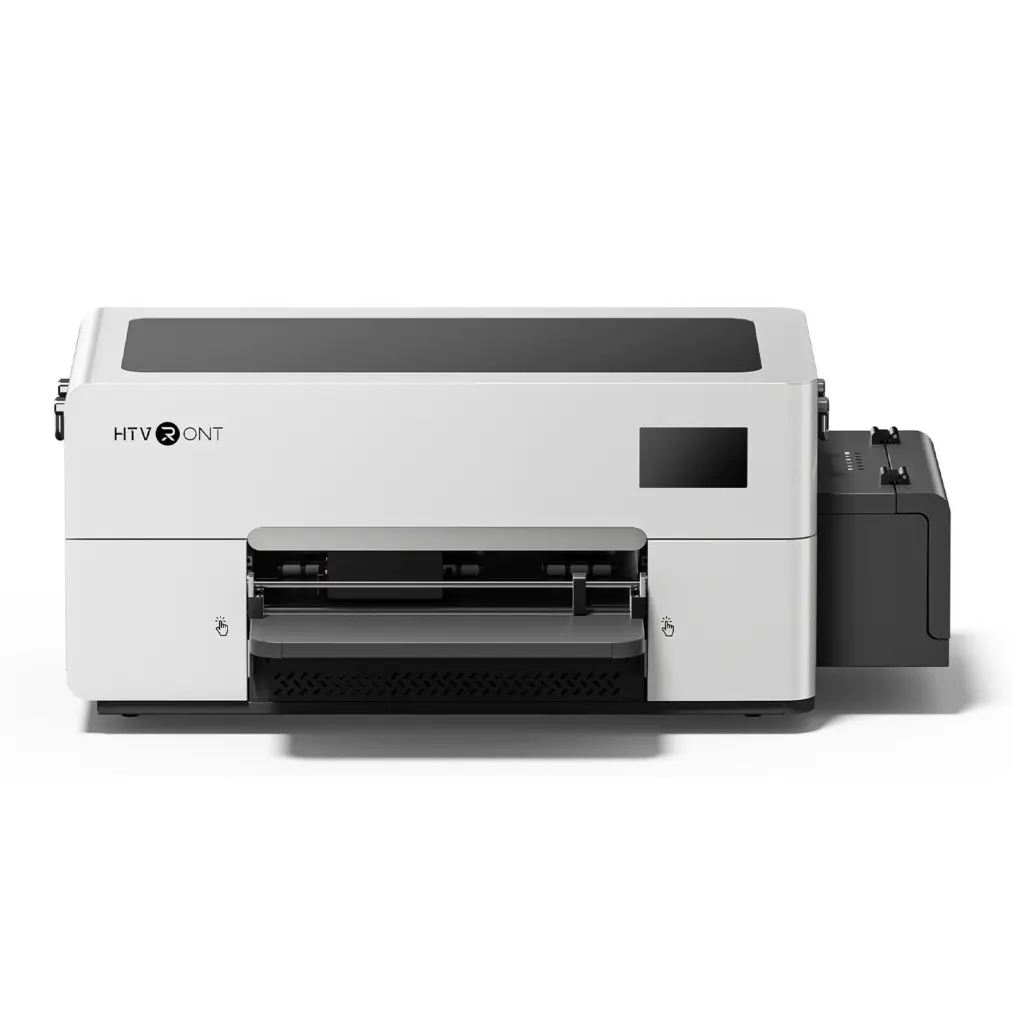
One of the strongest developments in recent years has been direct-to-film printing. A dtf transfer printer creates printed designs on specialized film, which are then transferred onto garments using heat and pressure. This method allows users to produce vibrant prints while working with cotton, polyester, blends, and other fabric types.
Another reason modern printing methods have gained popularity is scalability. Small startups can begin with compact equipment and gradually increase production without rebuilding their entire workflow. This lowers barriers for new entrepreneurs while providing room for expansion.
As customization continues to influence consumer buying behavior, flexible printing solutions have become essential. Customers expect unique designs, limited runs, and fast delivery times, making modern equipment more valuable than ever.
Technology improvements have also increased reliability. Better color management, enhanced software, and stronger transfer materials mean businesses can achieve more professional results while reducing production errors.
How a DTF Transfer Printer Works and Why It Matters
For many apparel businesses, direct-to-film printing offers an efficient balance between quality and operational simplicity. Understanding how this process works helps businesses determine whether it fits their production goals.
A dtf transfer printer begins by printing artwork onto transfer film using specially formulated inks. After printing, adhesive powder is applied to the design and cured through controlled heating. The completed transfer can then be pressed onto garments using a heat press.
One major advantage of this approach is versatility. Unlike some printing methods that require specific fabric compositions, DTF transfers work across a broad range of materials. This flexibility reduces inventory limitations and expands product options.
Color performance is another reason many businesses choose this process. DTF technology supports detailed artwork, smooth gradients, and vibrant finishes that maintain visual appeal after repeated washing when properly applied.
Production efficiency also improves in many environments. Operators can prepare transfers in advance and apply them later as needed. This separation between printing and pressing creates a smoother production schedule, especially during busy periods.
Maintenance remains an important consideration. Consistent cleaning, controlled humidity, and proper ink handling help maintain print quality and extend machine life. Businesses investing in a dtf transfer printer should plan for routine maintenance procedures rather than focusing solely on purchase price.
When combined with proper transfer settings and quality materials, this printing method provides an accessible path toward professional garment production.
The Role of Heat Press Equipment in Print Quality
Printing technology receives much of the attention, but transfer application is equally important. Even excellent artwork can fail if heat and pressure are not managed correctly.
Heat presses create the conditions necessary for transferring designs permanently onto garments. Temperature, pressure, and timing must work together to ensure strong adhesion and consistent appearance.
Among the many options available, the sublimation heat press has become widely recognized for its precision and even heat distribution. Although sublimation itself is commonly associated with polyester-based printing, the equipment often supports multiple production applications depending on workflow requirements.
Heat consistency across the pressing surface is one of the most important performance indicators. Uneven temperatures can create faded sections, incomplete transfers, or reduced durability. Businesses should prioritize machines known for stable heat output and dependable pressure control.
Pressure settings also affect results. Too little pressure may prevent proper bonding, while excessive pressure can damage fabric or distort graphics. Operators benefit from developing repeatable processes and documenting settings for different garment types.
Modern presses often include digital controls, timers, and programmable presets that simplify production. These features reduce operator errors and improve consistency across larger order volumes.
Investing in reliable pressing equipment often pays long-term dividends through reduced waste, improved customer satisfaction, and more efficient production cycles.
Why Teflon Sheets Remain an Essential Printing Accessory
Accessories are frequently underestimated during equipment planning, yet they can significantly impact final results. Among these accessories, Teflon sheets remain one of the most practical and widely used tools in garment decoration.
A Teflon sheet acts as a protective barrier between the heat press and the garment or transfer material. This simple layer helps prevent adhesive buildup, protects equipment surfaces, and contributes to cleaner production.
During transfer applications, excess adhesive or ink can occasionally migrate beyond the intended print area. Without protection, these residues may contaminate future garments or damage heat press platens. Teflon sheets reduce that risk substantially.
They also help distribute heat more evenly in certain applications. Consistent contact improves transfer reliability and contributes to more professional-looking output.
Durability makes these sheets especially useful in production environments. High-quality sheets withstand repeated heating cycles and continue performing effectively over time. Replacing them periodically remains inexpensive compared with repairing damaged equipment.
Another advantage is workflow simplicity. Operators can quickly position the sheet during pressing without adding significant production time. This small step often prevents costly mistakes and improves overall efficiency.
Businesses focused on long-term quality control should view Teflon sheets as standard operating tools rather than optional accessories.
Building an Efficient Workflow for Apparel Production
Successful apparel printing involves more than selecting individual pieces of equipment. The strongest production environments are built around connected workflows that reduce delays and improve consistency.
The process typically begins with artwork preparation. File quality directly affects printing outcomes, making proper resolution and color management essential. Organized digital workflows reduce correction time later in production.
After artwork preparation comes transfer creation. Whether using a dtf transfer printer or another printing method, maintaining standardized print settings helps produce repeatable results.
The pressing stage should follow documented procedures. Operators should establish temperature ranges, pressing durations, and pressure guidelines for different garment categories. Even small inconsistencies can create noticeable differences in final output.
Protective accessories support this stage as well. Using Teflon sheets consistently keeps equipment cleaner and reduces interruptions caused by maintenance or contamination.
Quality control should not be treated as a final checkpoint only. Inspection throughout production identifies problems earlier and reduces material waste.
Efficient businesses also maintain organized storage for garments, transfers, and consumables. Clear labeling and inventory tracking minimize confusion during high-volume production periods.
When each production stage supports the next, businesses create smoother operations and stronger customer experiences.
Future Trends in Garment Printing and Equipment Selection
The garment printing industry continues evolving as customer expectations change. Businesses investing today should consider not only current requirements but also future flexibility.
Customization remains one of the strongest growth drivers. Consumers increasingly seek personalized products with fast delivery times, encouraging businesses to adopt adaptable production methods.
Automation is becoming more accessible as well. Equipment manufacturers continue introducing features that reduce manual adjustments and improve repeatability. These advancements help businesses scale without proportionally increasing labor demands.
Sustainability is also influencing purchasing decisions. Efficient equipment, reduced waste processes, and durable materials are becoming priorities for both producers and customers.
Many businesses are moving toward hybrid production models that combine multiple printing methods. A sublimation heat press may complement other decoration techniques depending on product offerings and target markets.
Accessory quality will continue gaining attention. Items once viewed as secondary, including Teflon sheets, increasingly support maintenance efficiency and production consistency.
At the same time, direct-to-film technology is expected to remain an important solution for custom apparel because of its versatility and broad fabric compatibility.
Businesses that focus on adaptable systems rather than short-term trends will likely remain more competitive in changing markets.
Conclusion
Modern garment printing depends on a combination of technology, process control, and practical decision-making. High-quality results are rarely created by one machine alone. Instead, successful production comes from building a connected workflow where each element supports the next.
A dtf transfer printer offers flexibility and detailed output for modern apparel customization. Reliable pressing equipment ensures transfers bond correctly and maintain durability. Supporting accessories such as Teflon sheets protect equipment and contribute to cleaner, more consistent production.
Choosing equipment should always begin with production goals, garment types, and long-term business plans rather than short-term trends. Businesses that invest thoughtfully and develop repeatable processes create stronger results and better customer experiences.
As the apparel industry continues evolving, understanding the relationship between printing technology, heat application, and production efficiency will remain essential for sustainable growth.
Also Read

Add a Comment