
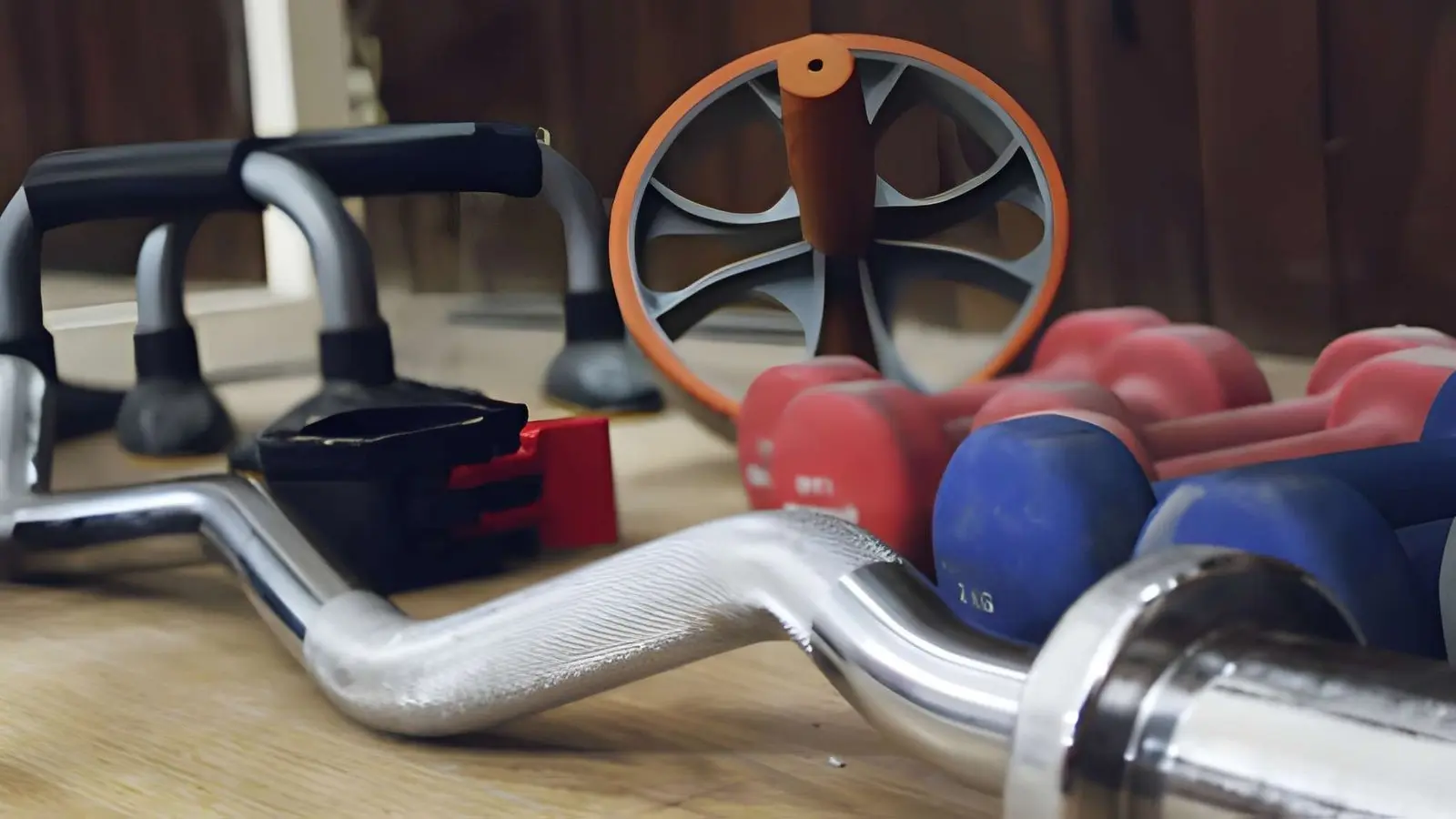
Setting up a home gym used to feel like a luxury reserved for fitness enthusiasts with extra space and even bigger budgets. But that’s changed. More people are realizing that you don’t need a fancy commercial gym membership—or a room full of expensive machines—to stay in shape. With a bit of planning and smart buying decisions, you can build a strong, reliable home gym using commercial grade equipment without overspending.
The key idea is simple: invest in fewer, better-quality pieces that last longer and perform better, instead of filling your space with cheap gear that wears out quickly. Think of it like buying a good pair of work boots instead of replacing flimsy shoes every few months. In the long run, quality saves you money, time, and frustration.
Start with the basics that actually get used
The biggest mistake people make when building a home gym is buying too much too soon. It’s easy to get excited and imagine every possible workout scenario, but in reality, most people rely on a handful of core movements.
Start with equipment that supports full-body strength and conditioning. For example:
A sturdy squat rack is one of the most versatile pieces you can own. It allows you to safely perform squats, bench presses, overhead presses, and even pull-up variations if it has a bar attachment. In commercial gyms, this is the backbone of almost every strength program.
A flat or adjustable bench is another essential. It might look simple, but it opens the door to dozens of exercises, from dumbbell presses to step-ups and seated shoulder work.
Then there are free weights. Dumbbells and barbells are the “everyday tools” of fitness. Just like a chef relies on knives more than fancy gadgets, most strength training revolves around these basics. You don’t need a full rack of every weight immediately. Start with a manageable range and expand over time.
Even in industries like physical therapy or athletic training, these same pieces are used because they’re effective, adaptable, and safe when used properly. That’s why commercial-grade versions are worth considering—they’re designed for repeated daily use under heavy loads.
Why commercial-grade equipment matters more than you think
At first glance, commercial gym equipment might seem like overkill for home use. It’s built for gyms where dozens or even hundreds of people use the same machine every day. So why would you need it at home?
The answer comes down to durability and safety.
Cheaper home equipment often cuts corners with thinner steel, weaker welds, or lower weight limits. It might feel fine at first, but over time it can wobble, bend, or wear out. That doesn’t just shorten its lifespan—it can also increase the risk of injury.
Commercial-grade equipment, on the other hand, is designed to handle constant stress. It’s like comparing a family car to a delivery truck. Both get you from point A to point B, but one is built for occasional use while the other is built for daily heavy-duty work.
In real-world terms, think about someone training after a long workday. Maybe they’re a nurse coming off a 12-hour shift or a construction worker who still wants to lift in the evening. The last thing they need is unstable equipment that shakes during a squat or slips during a lift. Reliable gear removes that worry and lets them focus entirely on training.
Even industries like sports performance training rely heavily on commercial-grade setups because consistency matters. Athletes need equipment that behaves the same way every time they use it, whether it’s day one or year five.
Building smart: space, budget, and progression
A home gym doesn’t have to be huge or expensive—it just has to be intentional.
Start by thinking about your space like real estate developers think about floor plans. Every square meter should have a purpose. If you only have a garage or spare room, prioritize multi-use equipment that doesn’t overwhelm the area.
For example, a squat rack with storage pegs can replace multiple bulky machines. Adjustable dumbbells can replace an entire wall of fixed weights. A foldable bench can be tucked away when not in use.
Budgeting is another important piece. Instead of trying to buy everything at once, think in stages:
Stage one might include your rack, bench, and a basic barbell set. That alone is enough for a full-body training program.
Stage two could add plates, resistance bands, and maybe a cardio option like a rowing machine or bike.
Stage three focuses on upgrades—extra weight, specialty bars, or attachments that expand your training options.
This gradual approach is how many small commercial gyms actually grow. They don’t start fully equipped; they build based on demand and usage. You can apply the same logic at home.
Another helpful mindset shift is thinking in terms of “cost per use.” A cheap piece of equipment that breaks after six months is actually more expensive than a durable one that lasts ten years. This is the same way restaurants invest in professional kitchen equipment—they know daily use demands reliability.
Making it feel like a real training space, not a storage room
One overlooked part of building a home gym is how it feels to use it. If your space is cluttered or uninspiring, you’re less likely to stay consistent.
Commercial gyms are designed with flow in mind. Equipment is spaced out, lighting is bright, and everything has a purpose. You can borrow that idea at home.
Even small touches help: rubber flooring to reduce noise and protect equipment, wall-mounted storage to keep weights organized, or a simple mirror to check form. These things don’t just improve aesthetics—they improve safety and motivation.
Think about how different environments affect behavior. A clean, organized kitchen makes cooking easier. A well-set-up workspace improves focus. The same applies to fitness. If your home gym feels like a proper training space, you’re more likely to use it regularly.
Another practical tip is to keep your layout flexible. As your training evolves, your setup might change. Today you might focus on strength training; later you might add conditioning or mobility work. Leaving room for adjustment keeps your gym useful long-term.
If you’re exploring equipment options and want a place to compare durable setups and ideas for building your own space, you can always take a look and visit website for more inspiration and product details.
Building a home gym on a budget isn’t about cutting corners—it’s about choosing smarter. Commercial-grade equipment gives you the kind of durability, safety, and performance that supports long-term training, even in a small space.
Start simple, invest in quality where it matters, and build gradually. Over time, you’ll end up with a setup that doesn’t just look like a gym—it performs like one.
Also Read-Business Residence Permit in Poland (2026): Income vs Potential

Add a Comment