
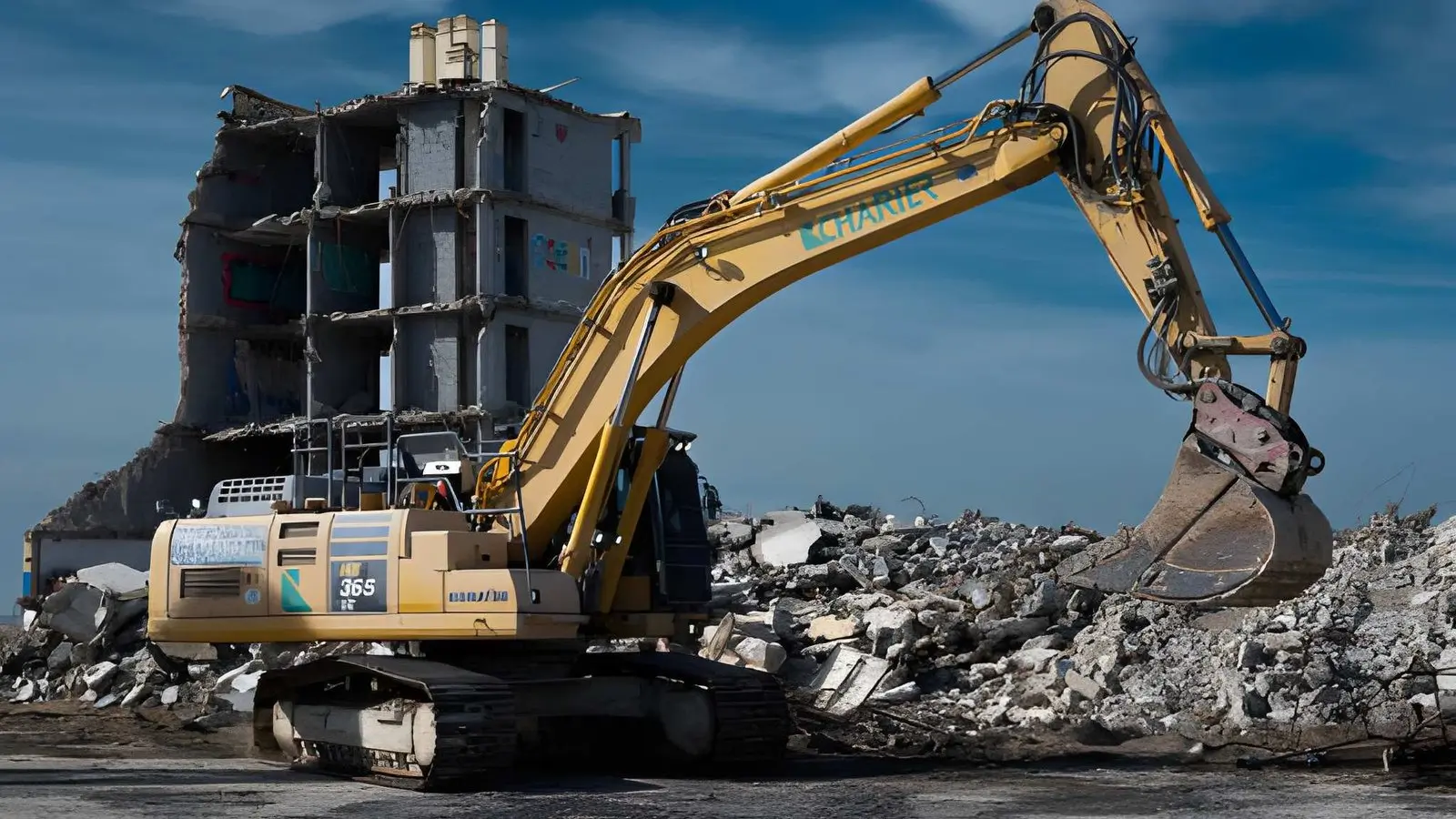
Taking down a large building might seem like pure chaos from the outside—towering walls collapsing, dust clouds rising, heavy machines roaring. But in reality, commercial demolition is one of the most carefully planned and controlled processes in construction. It’s not about destruction for the sake of it; it’s about precision, safety, and making space for something new.
Think of an old shopping center being replaced with modern offices, or an outdated warehouse making way for residential apartments. Before anything changes on the skyline, teams of engineers, machine operators, and safety experts spend weeks—or even months—planning every single step. A single mistake could affect nearby roads, neighboring buildings, or underground utilities like water and power lines.
Commercial demolition is a bit like performing surgery on a building. Everything is done with purpose, timing, and control. Let’s walk through how it actually works in the real world.
Planning Before a Single Wall Comes Down
Long before any machinery arrives on site, the real work begins in offices, meeting rooms, and on-site inspections. This stage is where safety and strategy take center stage.
The first step is understanding exactly what the building is made of. Not all structures are created equal. Some older buildings might contain materials like asbestos, which was once commonly used for insulation but is now known to be hazardous. If it’s present, it must be safely removed by specialists before demolition even begins.
Engineers also study the structure itself—how it stands, where its weak points are, and how it will respond when certain sections are removed. It’s a bit like studying a giant puzzle before taking it apart piece by piece.
At the same time, teams check what’s around the building. Is there a busy road nearby? A hospital next door? Underground pipelines? These factors shape how the demolition will be carried out.
Permits and approvals are another important layer. Authorities need to ensure everything meets strict safety and environmental regulations. This isn’t a quick rubber-stamp process—it’s detailed and often involves multiple inspections.
Even logistics are carefully planned. Where will the heavy machinery enter the site? Where will debris be stored or removed? How will dust and noise be controlled? Every question has an answer before the first machine starts.
In everyday terms, it’s like planning a massive home renovation, except the “home” is a multi-storey commercial structure and the stakes are much higher.
The Step-by-Step Demolition Process on Site
Once planning is complete and approvals are in place, the site transforms into an active work zone. Heavy machinery arrives—excavators, cranes, crushers, and sometimes even high-reach demolition machines designed specifically for tall buildings. To ensure these powerful machines operate at peak performance, components such as a high-quality final drive are essential for navigating the challenging terrain of a demolition site.
But demolition doesn’t usually start by smashing walls. The first physical step is often called a “soft strip-out.” This means removing everything inside the building that isn’t part of the structure itself—things like furniture, fixtures, wiring, ceilings, doors, and internal fittings. It’s similar to emptying a house before renovation, but on a much larger scale.
After that, the main structure is tackled. The method used depends on the building type, size, and surroundings.
For smaller commercial buildings, excavators may begin pulling the structure down from the top or sides, working carefully downward. For taller buildings, specialized machines may dismantle floors one level at a time, ensuring the structure remains stable as it comes down.
In some cases, mechanical demolition is paired with manual work. Workers may use hand tools to remove specific sections that require extra care, especially around shared walls or sensitive areas.
Dust suppression systems are often used throughout the process. Water sprays help keep airborne particles under control, improving visibility and reducing health risks for workers and nearby communities.
A bit like carefully knocking down a sandcastle without letting it collapse all at once, demolition is all about controlled movement. Each section is brought down in a planned sequence to avoid unnecessary risk.
Even the timing matters. In busy urban areas, certain stages might be scheduled during quieter hours to reduce disruption to traffic or businesses nearby.
Safety, Recycling, and What Happens After the Dust Settles
Safety is the backbone of every demolition project. Workers wear protective gear, exclusion zones are set up around the site, and constant monitoring ensures that everything stays under control. Engineers and supervisors watch every stage closely, ready to adjust plans if conditions change.
One of the biggest misconceptions about demolition is that everything gets thrown away. In reality, a large portion of materials is recycled or reused. Concrete can be crushed and used as road base, steel beams are melted down and repurposed, and timber may be salvaged for other construction projects.
This approach not only reduces waste but also lowers the environmental impact of construction. In many ways, demolition is part of a circular process—what comes down often helps build what comes next.
Noise and dust control continue until the final piece of debris is removed. Once the structure is fully cleared, the site is graded and prepared for its next purpose, whether that’s a new building, green space, or infrastructure project.
At this stage, the job might feel finished, but there’s still a final layer of responsibility. Teams conduct site checks to ensure no hazards remain and that the land is safe for future use. Only then is the site officially handed over.
If you want to explore how these processes are carried out in real-world projects and what makes them safe and efficient, it helps to understand the full workflow in more detail—you can always know more about the methods, equipment, and planning that go into large-scale demolition work.
Commercial demolition might look like simple destruction from afar, but up close it’s a carefully coordinated effort involving engineering, safety science, environmental responsibility, and precise machine work. Every building taken down safely represents hours of planning and teamwork, ensuring that what disappears today makes room for something better tomorrow.

Add a Comment