
Buying a home is one of the biggest investments you’ll ever make, and a reliable roof is fundamental to safeguarding that investment. Homeowners often overlook roof maintenance until a significant issue arises, but recognizing the signs early can prevent major headaches. Knowing when to replace your roof helps you avoid sudden leaks and unplanned expenses. Find more details on roof replacement options that match your home’s needs at https://www.deltaservices.com/re-roof/.
Your roof is your home’s first line of defense against wind, rain, and sun. Over time, exposure to the elements gradually degrades roofing materials, making timely replacement essential to maintaining structural integrity. Identifying visible red flags and implementing a proactive maintenance plan are the best ways to ensure your home remains protected. Multiple factors influence how long your roof lasts, including the material, climate, and maintenance. Noticing subtle issues, such as missing shingles or interior water stains, can alert you to problems before they escalate. Homeowners who pay attention to their roofs’ age and condition can make smart, budget-friendly decisions when it’s time for an upgrade. It’s wise to check your attic insulation and the condition of your ventilation when assessing your roof’s performance. These hidden areas often show early signs of trouble, such as moisture or mildew, which can help you decide when to act. Being vigilant about these warning signs can help you get the most out of your investment.
Understanding Roof Lifespan
The material your roof is made of has the greatest effect on how long it will last. Standard asphalt shingles, found on many American homes, generally last about 15 to 20 years. Upgrading to architectural shingles increases your roof’s expected life to around 25 to 30 years. Metal roofing is even more durable, often lasting 40 to 70 years, making it a popular choice for longevity and resilience. Meanwhile, premium roofing materials like slate or clay tiles can last for half a century or more, with lifespans often reaching 100 years if maintained correctly.
Keep in mind that these lifespans assume regular inspections and maintenance. Neglect can shorten your roof’s usable lifespan, so start evaluating its age now to avoid surprises. As your roof nears the upper end of its expected lifespan, schedule a professional assessment to plan for timely replacement and protect your home.
Visible Signs of Roof Deterioration
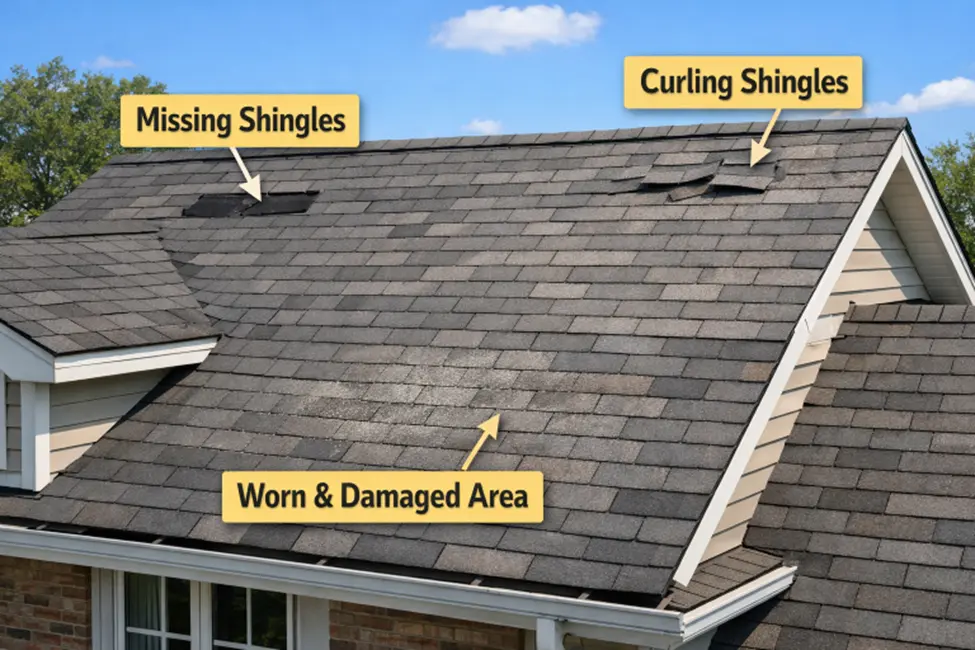
Spotting early signs of wear is crucial to preventing more serious roofing problems. Physical indicators to watch for include missing or damaged shingles, which expose your home’s underlayment and increase the risk of leaks. Shingles that curl, crack, or buckle are often suffering from advanced aging or moisture intrusion. When shingles begin shedding granules, you may notice them accumulating in your gutters, which means your roof’s protective layer is thinning and becoming less effective. On the interior, water stains or discoloration on your ceilings and walls can signal roof leaks. Sometimes these leaks are slow and go unnoticed until they become obvious and require costly repairs. Catching these problems early, before mold or structural issues develop, helps you preserve not just your roof, but also your home’s value and comfort.
Impact of Weather-Related Damage
Weather events play a significant role in roof wear and tear, regardless of your local climate. Severe hailstorms can loosen granules, puncture shingles, and cause cracks that are hard to see at first glance. High winds may lift shingles, permitting water to leak underneath, while prolonged sun exposure can accelerate shingle aging. In colder climates, the freeze-thaw cycle can also cause materials to contract and expand, leading to cracks and leaks over time. After major weather events, it’s wise to visually inspect your roof from the ground and, if possible, use binoculars to check for missing shingles or debris. While some damage is obvious, problems such as small hail-induced pits or subtle heat-induced warping require closer inspection by a roofing professional.
When to Consult a Professional
If you notice missing shingles, persistent leaks, or signs of aging that you cannot safely address yourself, it’s time to call a qualified roofing contractor. Professional roofers have the expertise and equipment to thoroughly assess your roof’s condition, identify hidden issues, and recommend the right course of action. Sometimes a simple repair is all that’s necessary, but older roofs or those with widespread damage usually require full replacement. Early intervention is key to minimizing your overall costs and keeping your home’s structure safe. Scheduling regular inspections and acting fast when you see warning signs helps you maintain a watertight barrier over your house and ensures your investment stands the test of time.
Conclusion
Understanding your roof’s condition is essential to protecting your home and making informed maintenance or replacement decisions. By learning the typical lifespan of different roofing materials, recognizing early signs of deterioration, and understanding how weather can accelerate damage, homeowners can take timely action before small issues become costly problems.
Equally important is knowing when to involve a professional roofing contractor. Expert evaluations ensure hidden issues are properly identified and addressed, helping you choose the right solution, whether repair or replacement. With consistent awareness and proactive care, you can extend your roof’s lifespan, maintain your home’s structural integrity, and safeguard your investment for years to come.
Also Read-

Add a Comment