
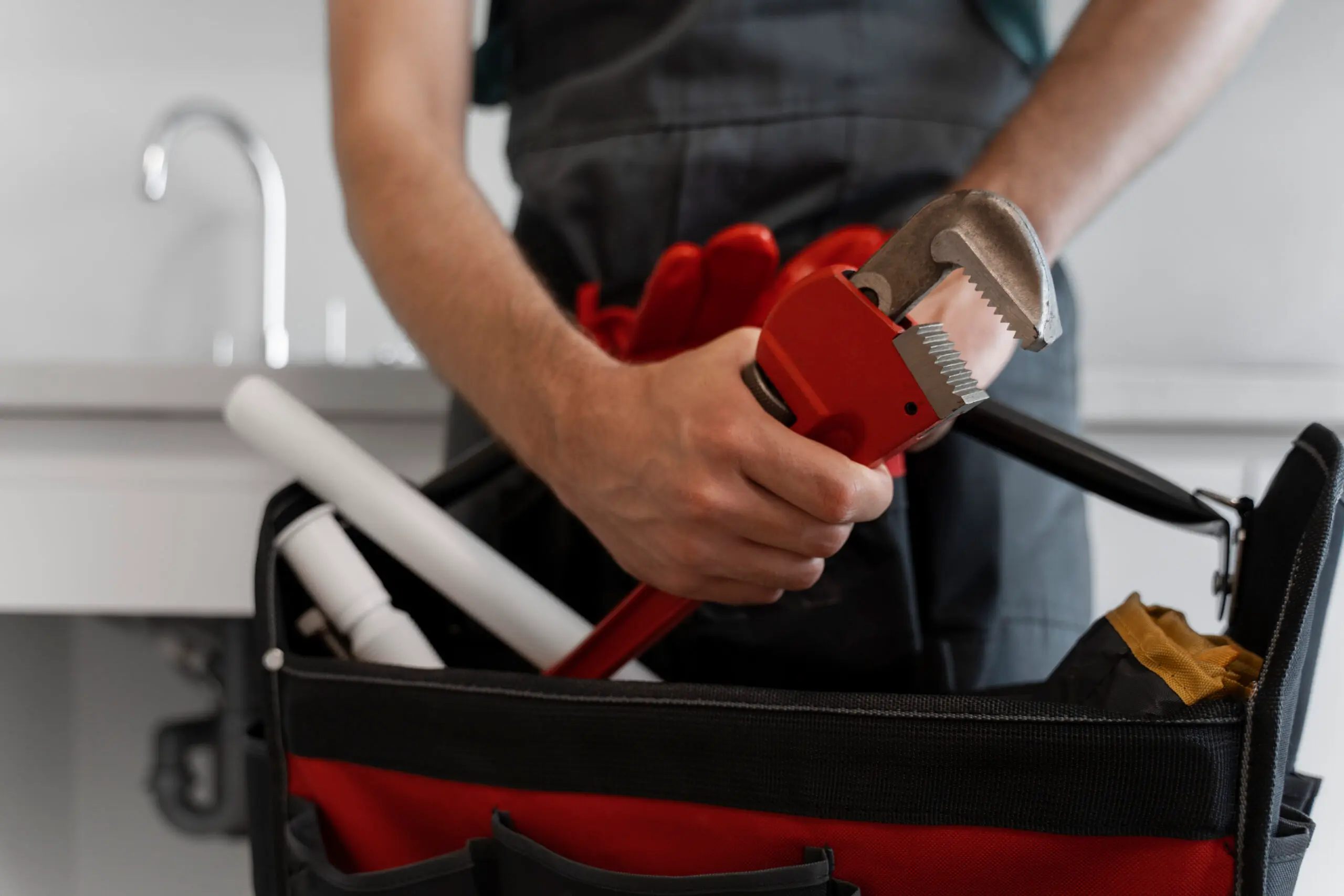
Most plumbing disasters don’t happen overnight. They telegraph themselves for weeks, sometimes months, before a pipe bursts or a water bill triples. The trouble is that homeowners are conditioned to ignore the small stuff until the small stuff becomes a flooded basement. This article gives you a clear, prioritized list of the warning signs that deserve a phone call, not another roll of plumber’s tape.
The Silent vs. Sudden Failure Problem
Plumbing problems split neatly into two categories: sudden failures (burst pipes, overflowing toilets) and silent failures (slow leaks, corroding joints, failing water heaters). Sudden failures get fixed immediately because you have no choice. Silent ones are where homeowners consistently lose money.
Silent failures matter far more than most people realize. Household leaks can waste approximately 900 billion gallons of water annually nationwide , according to the U.S. Environmental Protection Agency’s WaterSense program. The average family spends more than $1,000 per year in water costs, but can save more than $380 annually from retrofitting with WaterSense labeled fixtures and ENERGY STAR certified appliances, the EPA’s WaterSense statistics page notes. Those numbers put a dollar figure on procrastination. Every week you wait, you’re paying for water that drains straight into the wall.
The framework worth keeping in your head: silent failures compound quietly and cost more over time. Sudden failures are expensive upfront but stop the bleeding fast. Your job as a homeowner is to catch the silent ones early.
Sign 1: Your Water Pressure Has Dropped
Low water pressure in a single fixture usually means a clogged aerator. Clean it and move on. But when pressure drops across multiple fixtures at once, that’s a different conversation. Widespread low pressure points to a failing pressure regulator, a partially closed shutoff valve, or, in older homes with galvanized steel pipes, serious internal corrosion narrowing the pipe diameter from the inside out.
In a dry climate like central New Mexico, mineral buildup is an especially fast-moving culprit. Hard water deposits calcify inside pipes over years, and by the time you notice the pressure drop, the narrowing can be significant. If you’re running a shower, the kitchen tap, and the washing machine simultaneously and every one of them feels weak, call a pro. This isn’t a DIY diagnosis.
Sign 2: Water Bills Climbing With No Explanation
You haven’t changed your habits. You haven’t added a person to the household. But your water bill jumped 20 percent last month and 15 percent the month before. That pattern almost always means a hidden leak, and hidden leaks are almost always behind walls or under slabs.
A quick check: turn off every water-using appliance and fixture in your home, then go look at your water meter. If the dial is still moving, water is going somewhere it shouldn’t. From there, the leak could be in a supply line, a toilet fill valve, or a slab line, none of which you can reasonably fix without professional leak detection equipment.
Sign 3: Discolored Water or Rust at the Tap
Brown or reddish water coming from your cold tap is a sign of corroding pipes or a corroding water main connection. Yellow water typically points to aging galvanized steel. Either way, you’re drinking pipe sediment, and that’s not a situation to leave unaddressed.
One exception: if you’ve been away for a week and the first draw is slightly discolored, let it run for two minutes and see if it clears. If it does, that’s just stagnant water in the line. If it doesn’t clear, or if the discoloration keeps returning, schedule an inspection. Corroded pipes don’t self-heal.
Sign 4: Slow Drains in Multiple Rooms
A single slow drain is usually a localized clog, often within three feet of the drain opening. A bottle of enzyme cleaner or a drain snake handles that. But when your kitchen sink, bathroom sink, and shower are all draining slowly at the same time, you’re looking at a main sewer line issue, not three separate clogs coincidentally occurring together.
Tree root intrusion into sewer lines is common in older residential neighborhoods. Roots seek water, and a hairline crack in a clay or cast iron sewer line is an invitation. A licensed plumber with a camera scope can diagnose this in an hour and give you a real picture of what’s inside the line before you commit to any repair.
Sign 5: Sounds Your Pipes Shouldn’t Make
Banging pipes (water hammer) mean the shock arrestors on your water lines are worn out. Rattling means a pipe has come loose from its bracket. A high-pitched whine when you open a specific faucet points to a worn washer or a failing valve seat inside that fixture.
None of these sounds are “just the house settling.” Pipes that bang repeatedly stress their joints. A pipe loose in a wall will eventually wear through its bracket and create a leak at the contact point. These are scheduled-maintenance problems, not emergencies, but they do get worse without attention.
Sign 6: Visible Mold or Moisture Damage on Walls
Mold on an exterior wall sometimes means condensation or poor insulation. Mold on an interior wall, especially in a bathroom or kitchen with supply lines behind it, almost always means a slow pipe leak. By the time you see mold on the surface, the cavity behind that wall has been wet long enough to grow a colony, which means the leak has been running for weeks at minimum.
Don’t paint over it. Don’t scrub it off and forget about it. The surface mold is not the problem. The wet wall cavity and the pipe behind it are the problem, and those need a plumber and possibly a remediation contractor working together.
Sign 7: Your Water Heater Is Over 12 Years Old
Most traditional tank water heaters have a functional lifespan of 8 to 12 years. After that, the anode rod that protects the tank lining from corrosion has typically depleted, and the tank itself begins to corrode from the inside. Signs of a failing unit include rumbling or popping sounds during heating cycles (sediment buildup), water that takes longer to heat than it used to, and small puddles or moisture around the base of the tank.
A failing water heater rarely gives you much warning before it leaks. And a 50-gallon tank that lets go in a utility closet can do serious structural damage to floors and drywall before anyone notices. Proactive replacement before the 12-year mark is almost always cheaper than emergency replacement plus water damage repair.
A Practical Checklist Before You Call
Running through this list before you dial saves time and helps you give a better description of the problem:
● Is low pressure localized to one fixture, or across multiple fixtures?
● Does your water meter move when all fixtures are off?
● Is discolored water coming from the cold tap, the hot tap, or both?
● Are slow drains in one room or spread across the house?
● Can you identify which fixture or pipe produces the noise?
● Is the mold on an exterior or interior wall?
● How old is your water heater, and when was it last serviced?
Answering these before you call means the technician arrives with the right tools and a better sense of where to start. It also cuts diagnostic time, which cuts your bill.
Finding the Right Professional
Not every plumber is equally equipped for every job. Leak detection behind a slab requires different tools than a water heater swap. Before you hire, confirm the company is licensed, bonded, and insured in your state, and ask specifically whether they carry camera inspection equipment for sewer diagnosis.
For homeowners in central New Mexico, a qualified plumber bosque farms nm will be familiar with the region’s hard water conditions and aging infrastructure, both of which directly affect how quickly pipes corrode and how often water heaters need service.
The skilled trades workforce that serves homeowners remains under consistent pressure. The median annual wage for plumbers, pipefitters, and steamfitters was $62,970 in May 2024, and employment is projected to grow 4 percent from 2024 to 2034 , according to the U.S. Bureau of Labor Statistics Occupational Outlook Handbook. Demand is steady, and the labor pool is tight, which means booking sooner rather than later is a practical move, not just a precaution.
Don’t Wait for the Flood
Seven signs. Most of them are quiet, gradual, and easy to rationalize as minor. That’s precisely what makes them expensive when they’re ignored long enough. A water meter check costs you nothing. A camera scope on a sewer line costs a few hundred dollars. Replacing a water-damaged subfloor costs several times that. The math on acting early is rarely close.
Which of these seven signs is your home currently showing? That’s the one worth addressing this week.
Also Read-Tech Leader Onboarding Checklist for High-Growth Companies

Add a Comment