
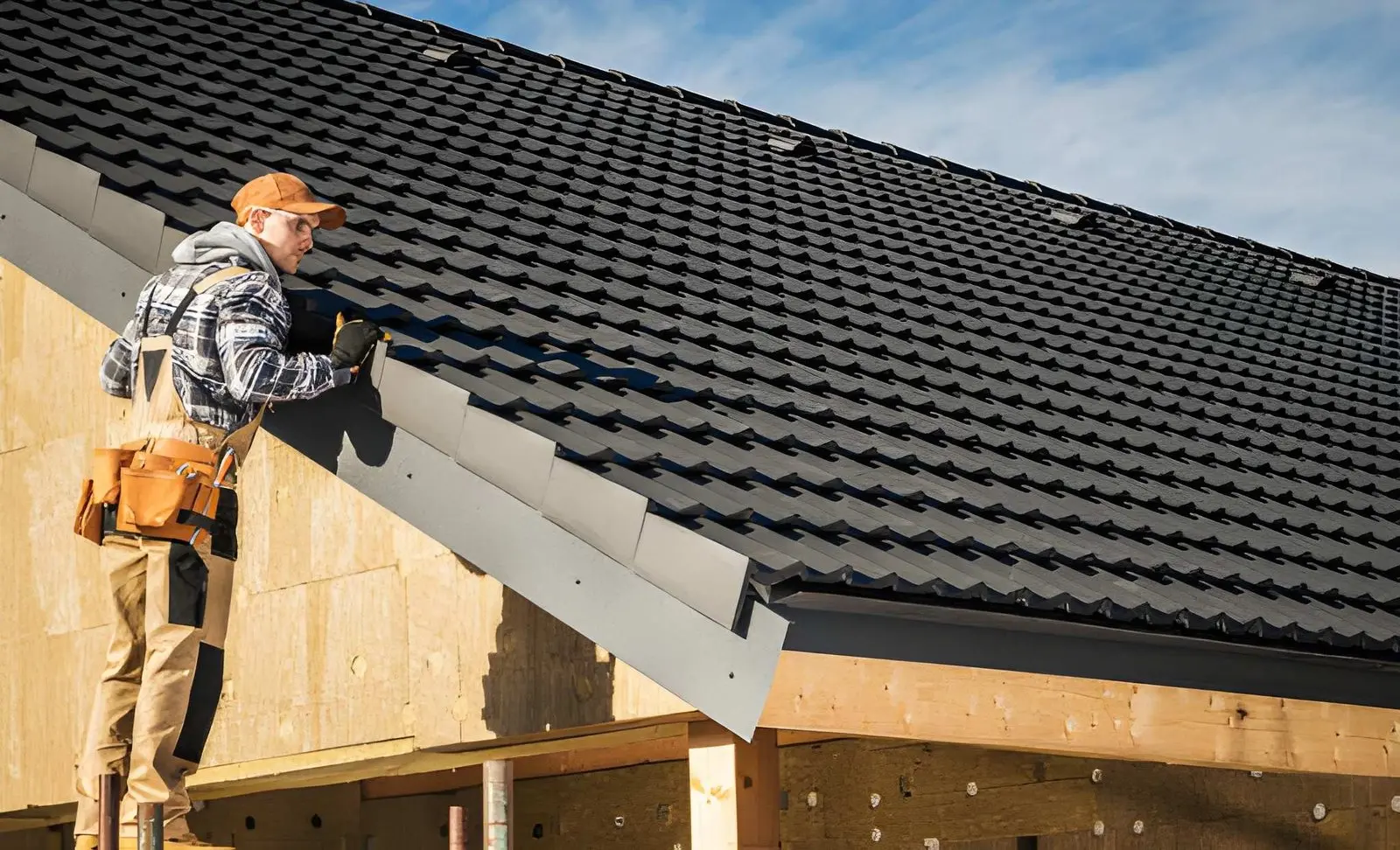
A wrong roofing material decision is one of the most expensive mistakes a homeowner can make, and most people don’t realize it until they’re replacing the roof a decade too soon. You pick asphalt because it’s affordable, skip the research, and then spend the next 15 years fighting curling shingles in a climate that was never kind to them in the first place. The material you choose today controls your maintenance costs, energy bills, and home resale value for the next 20 to 70 years. This guide cuts through the noise so you can match the right product to your actual roof, your actual climate, and your actual budget.
Why Lifespan Is the Only Stat That Truly Matters
Every roofing salesperson has a pitch. Ignore all of it and anchor your decision to one number: how many years before you replace it again.
Metal roofs can last 40 to 70 years and typically come with 30 to 50-year warranties, while asphalt shingles have a lifespan of 15 to 30 years and are more vulnerable to humidity, moisture, and temperature extremes. That gap is enormous when you price it out. If you install asphalt at age 40 and live in your house another 40 years, you’re likely looking at two full replacements. A metal roof, installed once, often outlasts that timeline entirely.
Here’s a side-by-side comparison of the four materials most homeowners actually choose between:
| Material | Typical Lifespan | Relative Upfront Cost | Best Climate Fit |
| Asphalt (3-tab) | 15 to 20 years | Lowest | Mild, stable temps |
| Architectural Asphalt | 22 to 30 years | Low to moderate | Most climates |
| Metal (steel/aluminum) | 40 to 70 years | High | Wind, heat, cold, high precipitation |
| Concrete or Clay Tile | 40 to 50 years | High | Hot, dry, low-freeze climates |
These lifespans assume proper installation and basic annual maintenance. Skip the maintenance and shave years off every number in that table.
According to a 2026 This Old House analysis, asphalt shingle roof replacement costs $5,800 to $12,200 on average, while metal roofing can cost twice as much or more. That upfront premium is real. But divide that cost across twice the lifespan and the math starts to tilt toward metal for anyone staying put long-term.
The Climate Stress Score: A Framework for Your Region
I developed this framework after talking to homeowners who consistently picked materials based on aesthetics rather than local weather patterns. Call it the Climate Stress Score. Rate your area on four factors, each from 1 to 3: temperature swings (1 = mild, 3 = extreme), annual precipitation (1 = dry, 3 = heavy), wind frequency (1 = calm, 3 = persistent), and freeze-thaw cycles (1 = rare, 3 = frequent). Total the scores.
Score of 4 to 7: asphalt shingles are a reasonable match. Score of 8 to 12: you should be looking at metal or tile, full stop.
Take a homeowner in Kennewick, Washington. She’s dealing with average summer highs above 95 degrees, regular windstorms rolling through the Columbia Basin, and cold snaps in January that crack undertreated shingles within a few years. Her Climate Stress Score comes out at 9. Asphalt might get her 18 years if she’s lucky. A standing-seam metal roof changes that calculation entirely, and it’s exactly why homeowners researching roofing companies tri cities are increasingly asking about metal as their first choice rather than a premium upgrade.
Wood shake is a legitimate option in moderate climates but requires more maintenance than most homeowners expect. It’s also more fire-sensitive than metal or tile. Unless you’re drawn to the aesthetic and willing to commit to annual treatments, it rarely wins the math.
Five Things to Confirm Before You Buy Any Material
Picking the material is only half the job. How it gets installed determines whether you actually see those lifespan numbers. Here’s the practical checklist:
● Check manufacturer certifications. Roofing manufacturers certify contractors who install their products correctly. A certified installer typically gives you access to the extended warranty, sometimes 25 to 50 years on the material. Without that certification, you may get a shorter warranty or none at all.
● Confirm the contractor is registered. Use the Washington L&I Verify tool to see if a business has an active contractor registration, an active workers’ comp account, and to check for safety violations and lawsuits against their surety bond. You can run that search at the official Washington Department of Labor and Industries verification page.
● Get the scope in writing. A verbal promise about decking repairs or flashing replacement is worth nothing. Every line item should appear in a signed contract before work starts.
● Ask about the underlayment. The membrane under your shingles or panels is your last line of defense when the primary material fails. Synthetic underlayment outlasts felt paper significantly, and a good contractor will specify which product they’re using.
● Budget for the unexpected. Decking rot, improper ventilation corrections, and flashing replacement are common discoveries once the old roof comes off. Factor in a contingency of 10 to 15 percent above your quote.
The Resale Question Most Homeowners Skip
If you plan to sell within seven years, the material calculus shifts. You’re not optimizing for your own long-term savings; you’re optimizing for what a buyer will see and what an inspection report will say.
Roof leaks were experienced by 4.4 percent of U.S. households in 2023, according to the U.S. Census Bureau’s American Housing Survey, which is actually a meaningful improvement from 7.6 percent in 1973. But a leaking roof during a pre-sale inspection is still a deal-killer. An aging asphalt roof that’s visibly past its prime tends to trigger negotiation and repair credits even when it isn’t actively leaking. A newer metal or architectural asphalt roof, by contrast, reads as a selling point.
The honest answer is that architectural asphalt tends to be the most balanced choice for resale-focused homeowners. It’s accepted across virtually every market, familiar to buyers and inspectors alike, and carries a lower upfront investment than metal. If you’re planning to stay for 25 years or more, metal earns its cost back in avoided replacements and lower maintenance.
“Understanding where roofs are in the worst condition allows contractors to be proactive rather than reactive,” said Jacob Petrosky, founder of Instant Roofer, commenting on the 2023 American Housing Survey data.
That logic applies to homeowners too. Knowing the condition of your existing roof, and understanding what your local climate will do to a new one, puts you ahead of most buyers making emotional decisions.
Making the Final Call
Here’s the framework condensed to four questions:
1. How long do you plan to stay in this house?
2. What does your Climate Stress Score say about your region?
3. Is the contractor manufacturer-certified for the product you’re considering?
4. Does the quote include a written scope covering decking, underlayment, flashing, and ventilation?
If you can answer all four with confidence, you’re ready to sign. If any of them feels uncertain, that’s your signal to slow down and get a second opinion. Your roof is going to be up there for decades. That warrants an extra week of due diligence. What’s the one question most homeowners wish they’d asked before they picked a roofing material?
Also Read-Tech Leader Onboarding Checklist for High-Growth Companies

Add a Comment