
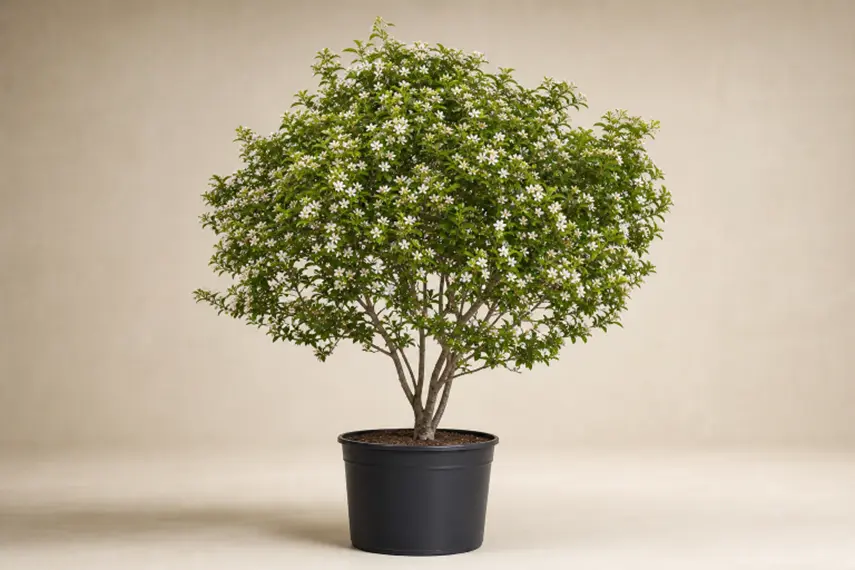
A fast-growing tree can make a new landscape feel established sooner, creating welcome shade, screening an unwanted view, or adding structure to an open yard. Still, the fastest growing trees are not automatically the best choices for every property. A tree that grows quickly but overwhelms its planting site can create years of pruning, root conflicts, and storm-related concerns. The smart approach is to look beyond the first few years. Consider what the tree will need at maturity, including canopy width, root space, water, sunlight, and clearance from structures. A well-matched tree can provide useful shade, privacy, and beauty for decades rather than becoming an expensive problem.
Why Growth Rate Matters
“Fast-growing” is a relative term. Growth changes with the species, weather, soil quality, irrigation, tree age, and stress from pests or drought. Quick growth can bring earlier shade, wildlife habitat, and privacy, but some rapid growers also need more water, structural pruning, or storm monitoring. Growth rate should be one factor in a larger decision, not the entire decision.
Match the Tree to the Goal
Begin with the job you need the tree to do. This makes it easier to rule out attractive trees that are poorly suited to the site.
- For shade: Choose a tree with a broad canopy and enough room to mature away from the house.
- For privacy: Look for dense branching, suitable mature height, and evergreen foliage if winter coverage matters.
- For small yards: Favor compact trees, narrow forms, or cultivars with predictable dimensions.
- For seasonal interest: Select flowering trees, colorful fall foliage, berries, or striking bark.
- For moist ground: Choose species known to tolerate the drainage conditions rather than trying to force a dry-site tree to adapt.
Good Options for Small Yards
Small properties can support trees beautifully, but the mature crown matters more than the tree’s height at the time of purchase. Eastern redbud typically reaches 20 to 30 feet and features spring flowers and heart-shaped leaves. Japanese maple cultivars can remain much smaller, providing fine foliage and fall color, but often benefit from protection from intense afternoon sun. Crape myrtle can offer summer blooms in suitable warm regions, though cultivar selection and occasional pruning matter. Serviceberry, dogwood, witch hazel, and selected birch varieties can also work in the right climate and soil. For additional ideas, this guide to trees for small yards highlights choices with compact habits and multi-season appeal. Always confirm the expected height and width of the exact cultivar, since a “small tree” may still be far too wide for a side yard.
Planning a Living Privacy Screen
Evergreens usually offer the most reliable year-round privacy because their foliage remains in place through winter. Deciduous trees can still make effective screens when summer privacy and shade are the main priorities. A mixed planting can be more resilient and visually interesting than a single-species wall of trees.
- Measure the full planting strip before buying trees.
- Space plants for their mature width, not for an instant hedge effect.
- Use staggered rows when enough depth is available.
- Mix compatible species where practical to reduce the risk of widespread loss from one pest or disease.
- Check property-line rules, fence access, and utility locations before planting.
Placing Trees for Useful Shade
Shade is most valuable when it falls where people need it. In many yards, planting on the western or southwestern side of a home can help reduce harsh late-day sun, although the right location depends on the building, roofline, windows, and existing trees. Watch your yard for several afternoons before making a final choice.
- Identify the hottest windows, patio areas, and sections of lawn.
- Track where the afternoon sun falls.
- Estimate the tree’s mature canopy spread.
- Check clearances from roofs, driveways, sidewalks, and overhead wires.
- Select a spot that provides shade without blocking access or creating future conflicts.
A Site Checklist Before Planting
Before settling on a species, review your USDA hardiness zone, direct sun hours, soil texture, drainage, wind exposure, and expected summer water availability. Also account for underground utilities, overhead lines, pavement, foundations, and the space roots will need. Local conditions can change how a tree performs, even when its advertised growth rate seems impressive.
Simple Planting and Care Steps
- Choose a healthy tree with no major trunk wounds or circling roots.
- Dig a hole wider than the root ball, but no deeper than the root flare.
- Remove containers, wire, burlap, and restrictive ties as appropriate.
- Backfill with native soil and water deeply after planting.
- Apply mulch in a thin, broad layer, keeping it away from the trunk.
- Water consistently during establishment, especially during dry weather.
Avoid using heavy fertilizer to force rapid growth. Consistent moisture, correct planting depth, and early removal of damaged or crossing branches are usually more valuable for long-term tree health.
Common Mistakes to Avoid
- Choosing a tree based only on its size at the nursery.
- Planting a large shade tree too close to a house or driveway.
- Overcrowding privacy trees to get immediate coverage.
- Ignoring mature branch spread and overhead utility lines.
- Overwatering trees in compacted or poorly drained soil.
- Skipping utility checks before digging.
- Assuming every rapid-growing tree will be low maintenance.
Frequently Asked Questions
What is the best fast-growing tree for a small yard?
There is no universal answer. A redbud, serviceberry, Japanese maple, compact crape myrtle, or narrow evergreen may be appropriate depending on your climate, sunlight, soil, and desired function.
Are fast-growing trees more likely to break?
Some fast-growing species can develop weaker wood or crowded branch angles, but the risk varies widely. Good placement, regular inspection, and thoughtful structural pruning can reduce problems.
How far should a tree be planted from a house?
Use the tree’s mature height and canopy width, not its current size. Large trees generally need substantially more clearance than small ornamentals, and local conditions may require additional room.
Do evergreen trees provide better privacy?
Usually, yes. Evergreens retain foliage through winter, while deciduous trees provide more seasonal screening and can be excellent for summer shade.
Final Thoughts
The best fast-growing tree is one that fits the site for the long term. A careful plan that accounts for mature size, root space, water needs, structure, and placement can provide quick landscape benefits without creating avoidable repairs later. Choosing the right species also helps ensure healthier growth, better resistance to environmental stress, and easier maintenance over time. Homeowners should consider factors such as soil conditions, available sunlight, climate, and nearby structures before planting. While rapid growth can create shade, privacy, and visual appeal sooner, a tree that grows beyond its space may lead to problems with branches, roots, or ongoing upkeep. By planning and selecting a tree suited to the property’s conditions, homeowners can enjoy lasting beauty, improved outdoor comfort, and a healthier landscape for years to come.

Add a Comment