
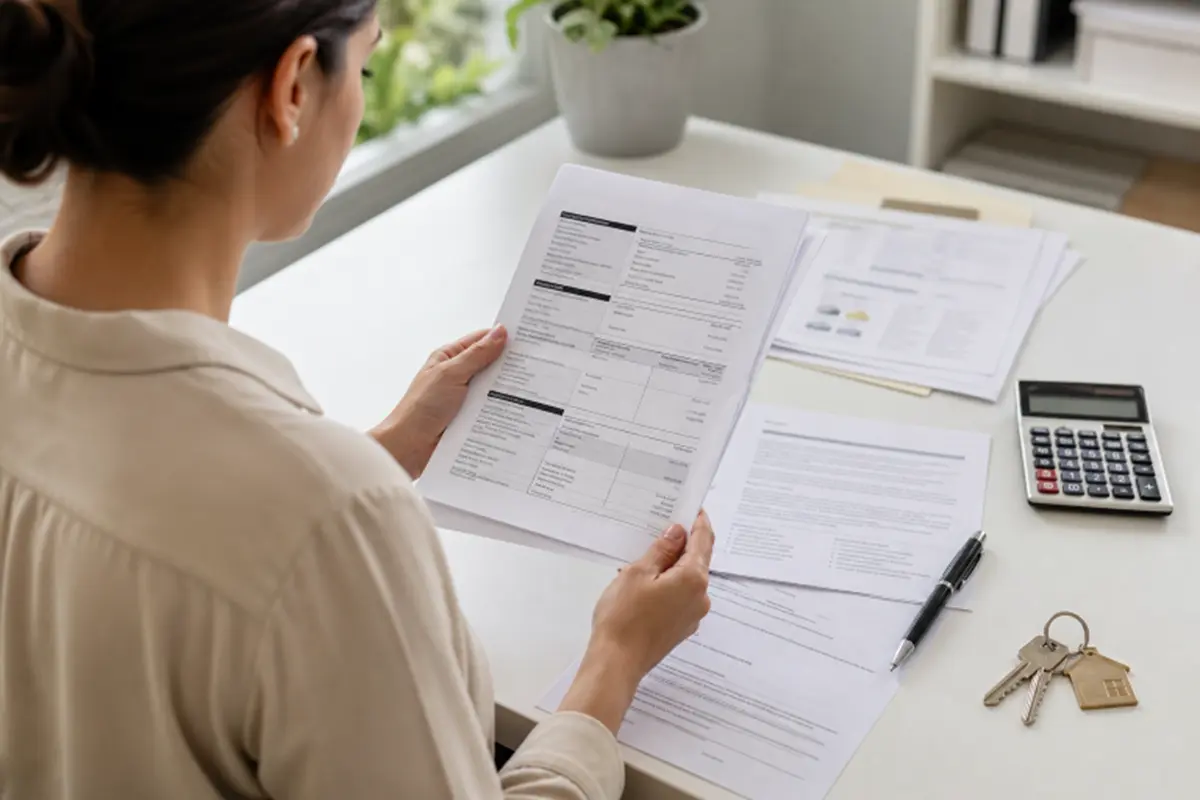
Closing on a home is exciting, but it is also when important financial and ownership details become final. Before signing, take time to compare the numbers, read the documents, and raise questions about anything that looks unfamiliar. Understanding what is owner’s title insurance can also help you review one important part of the closing package with greater confidence.
Even a small error, such as a missing seller credit, incorrect legal name, or inaccurate property address, can cause problems. A careful final review gives you a chance to correct mistakes while the transaction is still open, rather than trying to resolve them after the deed is recorded and the keys are handed over.
Why the Final Review Matters
A home purchase often involves a lender, real estate agents, a seller, an insurer, and a closing or settlement professional. Each party may prepare or review different paperwork, which creates opportunities for details to be missed. The final review is your opportunity to make sure the documents reflect the agreement you actually made.
For example, your contract may include a seller credit toward closing costs. If that credit does not appear in the final figures, your cash needed at closing could be higher than expected. Similarly, a typo in a name or address can require corrected documents and may delay recording. Asking direct questions before you sign is almost always easier than correcting an issue later.
Documents to Review Before Closing
You may receive a large document package, but several forms deserve particular attention. Your closing professional can explain the purpose of each, but you should still review the information that applies to your money, loan, and ownership rights.
- Closing Disclosure: Summarizes loan terms, monthly payments, closing costs, credits, and the amount due at closing.
- Promissory Note: States your promise to repay the mortgage, including the interest rate and repayment terms.
- Mortgage or Deed of Trust: Gives the lender a security interest in the property until the loan is paid or otherwise resolved.
- Deed: Transfers the seller’s ownership interest to you.
- Settlement Statement: May show the money paid, received, or adjusted between buyer and seller.
- Insurance Documents: Confirm required property coverage is in place.
- Title Documents: Identify ownership information, recorded matters, exceptions, and title-related services.
How to Check the Closing Disclosure
Compare the Closing Disclosure with your earlier Loan Estimate and purchase contract. Focus first on the items that affect your long-term loan obligation and the cash you need to bring to closing.
- Confirm your full legal name and the property address.
- Review the loan amount, interest rate, loan type, and repayment term.
- Check the projected monthly payment and whether taxes, insurance, or mortgage insurance are included.
- Compare final lender and third-party charges with earlier estimates.
- Verify earnest money, seller credits, repair credits, and other adjustments.
- Confirm the final cash-to-close amount and the approved payment method.
- Ask for an explanation of any large or unexpected change.
The CFPB closing-services guide is a useful neutral resource for learning which closing services may be shopped for and how title-related costs can appear in the transaction.
What to Check About Property Ownership
Ownership documents are not just formalities. They help establish what is being transferred and identify recorded matters that may affect the property. Review these details with your closing professional and ask for a plain-language explanation of anything unclear.
- Is the seller’s name correct and consistent with the ownership records?
- Does the legal description match the property you intend to purchase?
- Are liens, unpaid assessments, or other exceptions listed?
- Are easements, shared-driveway rights, or access rights disclosed?
- Are there restrictions that could affect how you use the property?
- Have known ownership issues been resolved or clearly identified?
Where Title Insurance Fits In
Title insurance is different from homeowners’ insurance. Homeowners insurance generally covers future damage or loss events, while title insurance covers issues related to ownership rights or the property record. A lender commonly requires a lender’s policy because it has a lien on the home. An owner’s policy is a separate decision intended to protect the buyer’s ownership interest, subject to the policy’s terms, exclusions, and exceptions.
Ask what the policy covers, what is excluded, which exceptions are listed, and how the premium is calculated. For a broader background on consumer protection and title insurance costs, review the U.S. Treasury discussion of title insurance and consumer protection.
Fees, Credits, and Adjustments to Confirm
Closing costs exceed the mortgage payment. They can vary based on the loan, location, contract, property type, and closing date. Review every charge and adjustment, including:
- Loan origination, appraisal, and credit-report fees
- Settlement, recording, and title-related charges
- Property insurance premiums and escrow deposits
- Prepaid interest and property-tax adjustments
- Homeowners association transfer fees or dues
- Seller concessions, repair credits, and earnest-money deposits
Quick Final Numbers Checklist
- Do all agreed credits appear in the final figures?
- Was your earnest money deposit applied correctly?
- Does the cash-to-close amount match the funds you have available?
- Have you received a clear explanation for every new or changed charge?
What to Bring and Do on Closing Day
- Bring current government-issued identification.
- Confirm how funds must be delivered before initiating a payment.
- Bring proof of homeowners’ insurance if requested.
- Complete the final walkthrough and confirm that the agreed-upon repairs are finished.
- Read documents before signing, even if the appointment feels rushed.
- Request copies of every signed document and store them securely.
Be especially cautious about wire fraud. Verify wiring instructions using a trusted phone number you independently confirm, such as one from your closing professional’s established contact information. Do not rely solely on a last-minute email, text message, or changed payment instruction.
Warning Signs That May Delay Closing
A delay can be inconvenient, but it may be safer than signing paperwork with unresolved problems. Pause and ask questions if you see a last-minute loan change, a large unexplained increase in cash needed, incorrect names, incomplete repairs, unresolved liens, unclear wire instructions, or pressure to sign without adequate explanation.
Steps to Take After Signing
After closing, keep your deed, Closing Disclosure, note, mortgage or deed of trust, insurance records, and settlement documents in secure digital and paper files. Confirm that the recording documents have been submitted, update your address for tax and insurance notices, and set reminders for mortgage payments and renewals. After possession, change locks, access codes, and smart-home credentials. If a promised document does not arrive, contact the closing professional promptly.
Final Thoughts
A careful review of the closing documents helps you understand what you are signing, what you owe, and how ownership will be transferred. Compare the numbers, review the ownership details, confirm the contract terms, and ask questions until the answers are clear. A few extra minutes before closing can prevent lasting confusion after you become a homeowner.
Also Read-The Role of Ethereum in Decentralized Finance Expansion

Add a Comment