The excitement of planning a cycling trip can disappear quickly if transporting your bike becomes a hassle. I’ve seen people struggle to fit bikes inside their vehicles, worry about scratched paint, or spend too much time securing everything before they even leave home. After watching friends deal with these problems and experiencing a few of them myself I realized that choosing the right hitch bike rack isn’t just about convenience. It’s about protecting your bike, saving time, and making every ride start on the right note. If you’re shopping for your first hitch mount bike rack or thinking about replacing an older one, there are several things worth understanding before making your decision.
“If you are planning for an outdoor adventure, you may need something to defend yourself from. You may visit Able Ammo for vast selection of Ammo.
Think Beyond Today’s Ride
Many people buy a bike rack based only on their current needs. While that may seem reasonable, I believe it’s smarter to think a little further ahead. Ask yourself questions like:
- Will I buy another bike next year?
- Am I interested in an electric bike later?
- Do I travel with family or friends?
- Will I start taking longer road trips?
Choosing a rack with a little extra flexibility today may save you from replacing it much sooner than expected.
Why Hitch-Mounted Racks Continue to Grow in Popularity
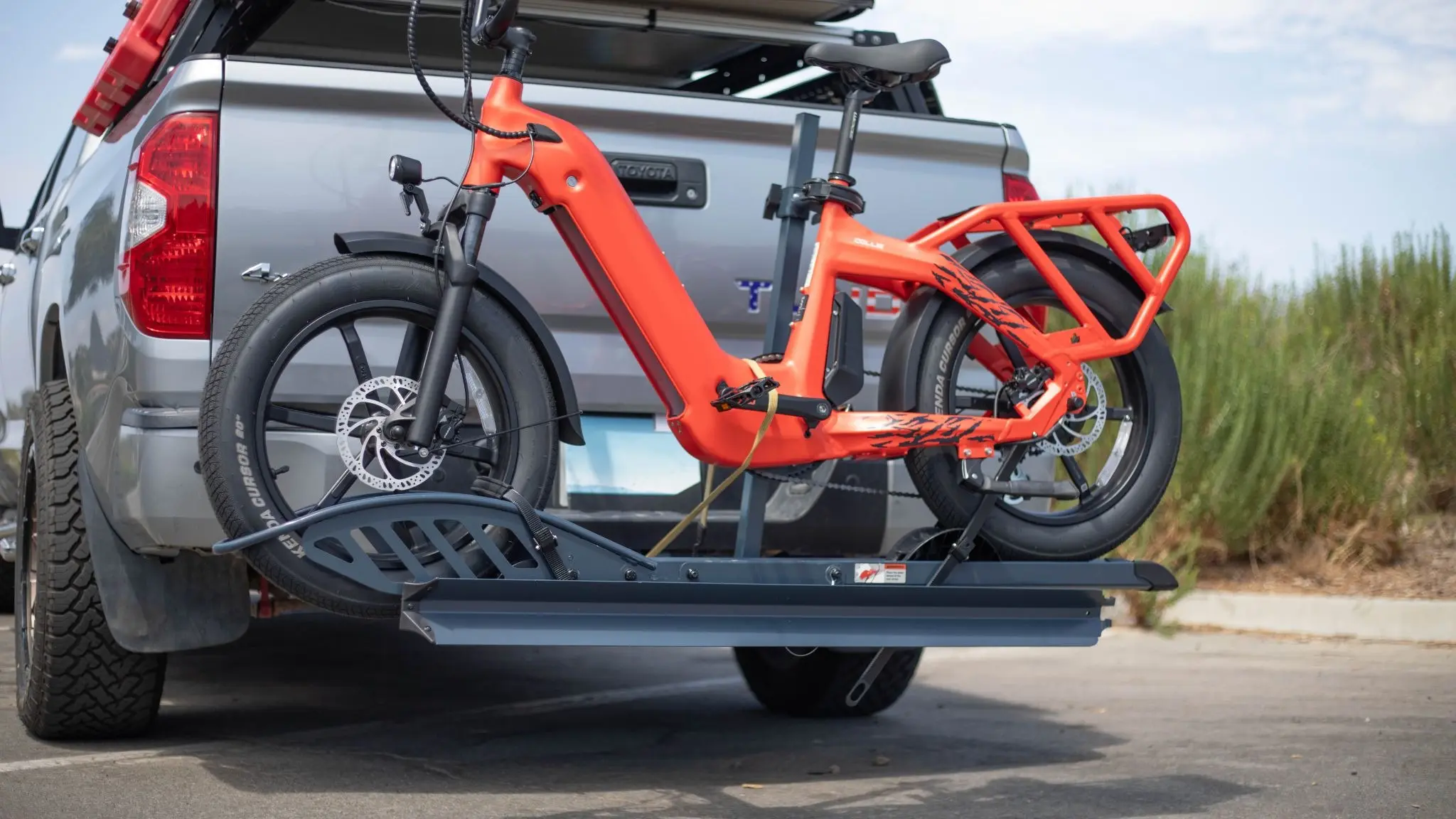
Cyclists have several transportation options, but hitch-mounted systems continue to stand out because they simplify almost every part of the journey. Unlike roof-mounted carriers, you don’t have to lift heavy bikes overhead. Unlike putting bikes inside your vehicle, you don’t lose valuable cargo space. Some practical advantages include:
- Faster loading
- Better stability during travel
- Easier access to bikes
- Less physical effort
- Cleaner vehicle interior
For anyone who rides regularly, those everyday conveniences quickly become noticeable.
Weight Capacity Deserves More Attention Than You Think
One mistake I often notice is people focusing only on the number of bikes a rack can carry. The total weight matters just as much. Modern bikes, especially electric models, weigh considerably more than traditional bicycles. If your rack isn’t designed to handle that extra weight, transportation becomes less secure. Always check:
- Maximum weight per bike
- Overall rack capacity
- Vehicle hitch limitations
Paying attention to these numbers can prevent unnecessary problems later.
Loading Your Bikes Shouldn’t Feel Like a Workout
Convenience isn’t just about reaching your destination. It also matters before you even start driving. A well-designed hitch bike rack should make loading straightforward. Features that make everyday use easier include:
Low Loading Height
The lower position allows bikes to be secured without excessive lifting.
Stable Wheel Support
Proper wheel trays help minimize unwanted movement during travel.
Adjustable Hold-Down Arms
Flexible mounting points accommodate different bike frame designs.
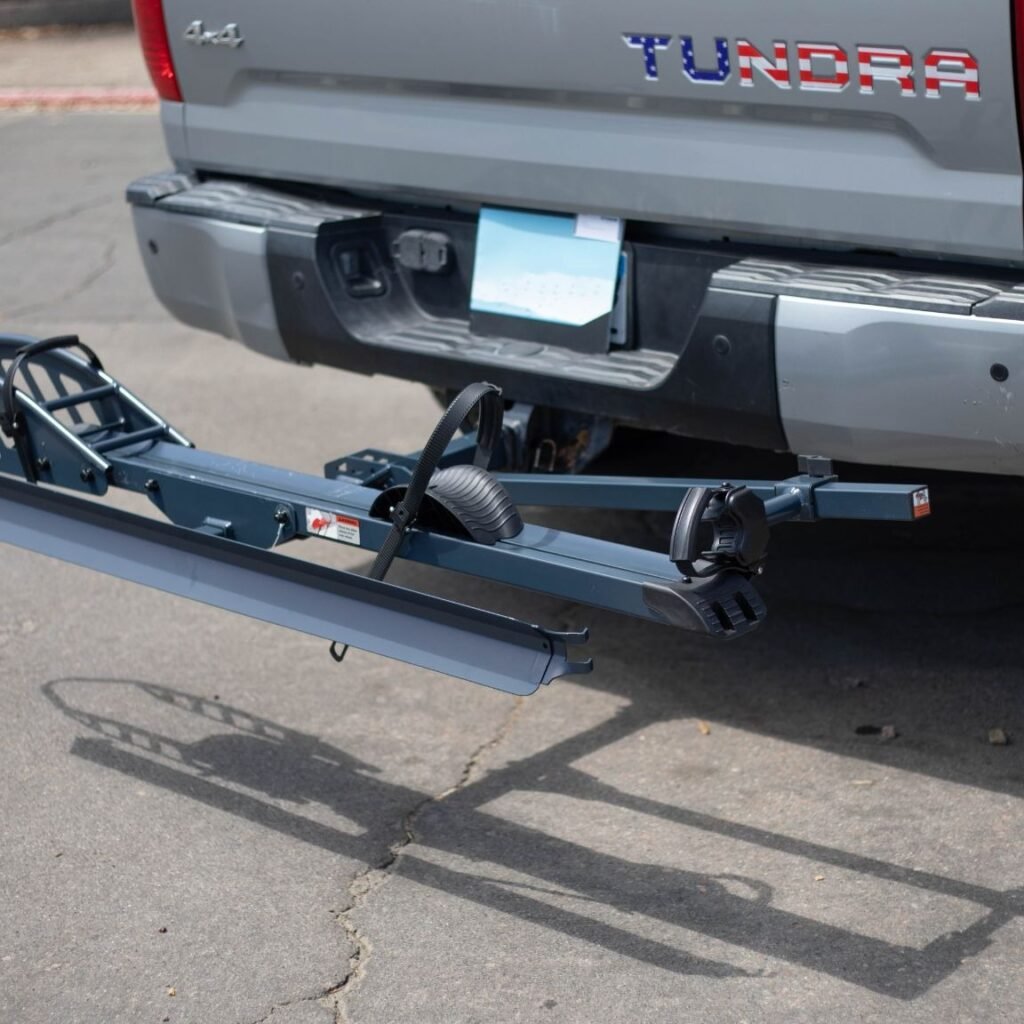
Fold-Away Design
When no bikes are attached, folding the rack helps reduce its overall footprint behind the vehicle. Small design improvements often make a noticeable difference after repeated use.
Don’t Ignore Vehicle Compatibility
Not every rack fits every vehicle. Before making a purchase, I always recommend checking:
- Hitch receiver size
- Ground clearance
- Rear hatch accessibility
- Vehicle towing specifications
Taking a few minutes to verify compatibility helps avoid disappointment after installation.
Protecting Your Bike During Every Mile
Even the smoothest roads have bumps, sharp turns, and sudden braking. That’s why bike stability matters just as much as rack strength. A quality hitch mount bike rack should hold bikes firmly without allowing excessive movement. Some helpful practices include:
- Tighten all straps before leaving.
- Lock bikes securely.
- Separate handlebars if carrying multiple bikes.
- Recheck connections during long trips.
These habits help reduce unnecessary wear on both the rack and your bikes.
A Good Rack Saves More Than Storage Space
Most people immediately notice the extra room inside their vehicle once bikes move outside. That additional space becomes useful for carrying:
- Camping supplies
- Travel bags
- Sports equipment
- Pet accessories
- Picnic gear
Whether you’re planning a day trip or a week-long vacation, keeping the cabin organized makes traveling much more comfortable.
Why Build Quality Should Never Be Overlooked
Outdoor equipment experiences constant exposure to rain, sunlight, dust, road debris, and changing temperatures. Because of that, I prefer choosing products built with durability in mind rather than simply comparing prices. Brands like CRAVOT offer hitch mount bike rack designs that prioritize secure transportation, long-lasting construction, and compatibility with various bike styles. Investing in dependable equipment often pays off over years of reliable use instead of frequent replacements.
Simple Habits That Extend Rack Life
Even a premium rack benefits from regular care. A few maintenance routines I follow include:
- Wiping away dirt after muddy rides
- Checking bolts for tightness
- Inspecting locking mechanisms
- Lubricating moving parts when recommended
- Looking for signs of corrosion before long trips
These quick inspections require only a few minutes but help maintain reliable performance over time.
Finding the Right Balance Between Price and Value
Everyone wants to stay within budget, but choosing the lowest-priced option isn’t always the smartest decision. Instead, I focus on overall value. A reliable rack should provide:
- Safe transportation
- Easy daily use
- Strong construction
- Compatibility with future bikes
- Long service life
When you calculate how often you’ll use it over several years, investing in quality often makes better financial sense.
Conclusion
Buying a hitch bike rack isn’t simply about carrying bicycles from one place to another. It’s about making every ride easier, protecting valuable equipment, and eliminating unnecessary stress before your adventure even begins.
The right hitch mount bike rack should fit both your vehicle and your lifestyle. By considering weight capacity, compatibility, build quality, and ease of use before purchasing, you’ll be far more likely to enjoy years of dependable performance. Choosing a trusted option like CRAVOT can also provide added confidence when you’re traveling with bikes on everything from short local rides to cross-country road trips.
FAQs
How do I know if a hitch bike rack will fit my vehicle?
Check your vehicle’s hitch receiver size and compare it with the rack’s compatibility specifications before purchasing.
Are hitch-mounted bike racks suitable for long-distance travel?
Yes. When installed correctly and loaded within their weight limits, they provide a secure solution for both short and long road trips.
Can I carry different bike types on the same rack?
Many modern racks support various bike styles, including mountain bikes, road bikes, and fat-tire bikes, provided they meet the rack’s size and weight requirements.
How often should I inspect my bike rack?
It’s a good idea to inspect the rack before every trip and perform a more detailed check periodically, especially if you travel frequently.
Is spending more on a premium bike rack worth it?
For riders who travel regularly, higher-quality racks typically offer better durability, improved stability, and greater long-term value compared to lower-cost alternatives.

Add a Comment