Knowing how to respond during a medical crisis is a vital skill that requires real, physical practice. This article explores why people freeze during emergencies and how modern, blended learning certification builds the muscle memory needed to act confidently and save lives when seconds count.
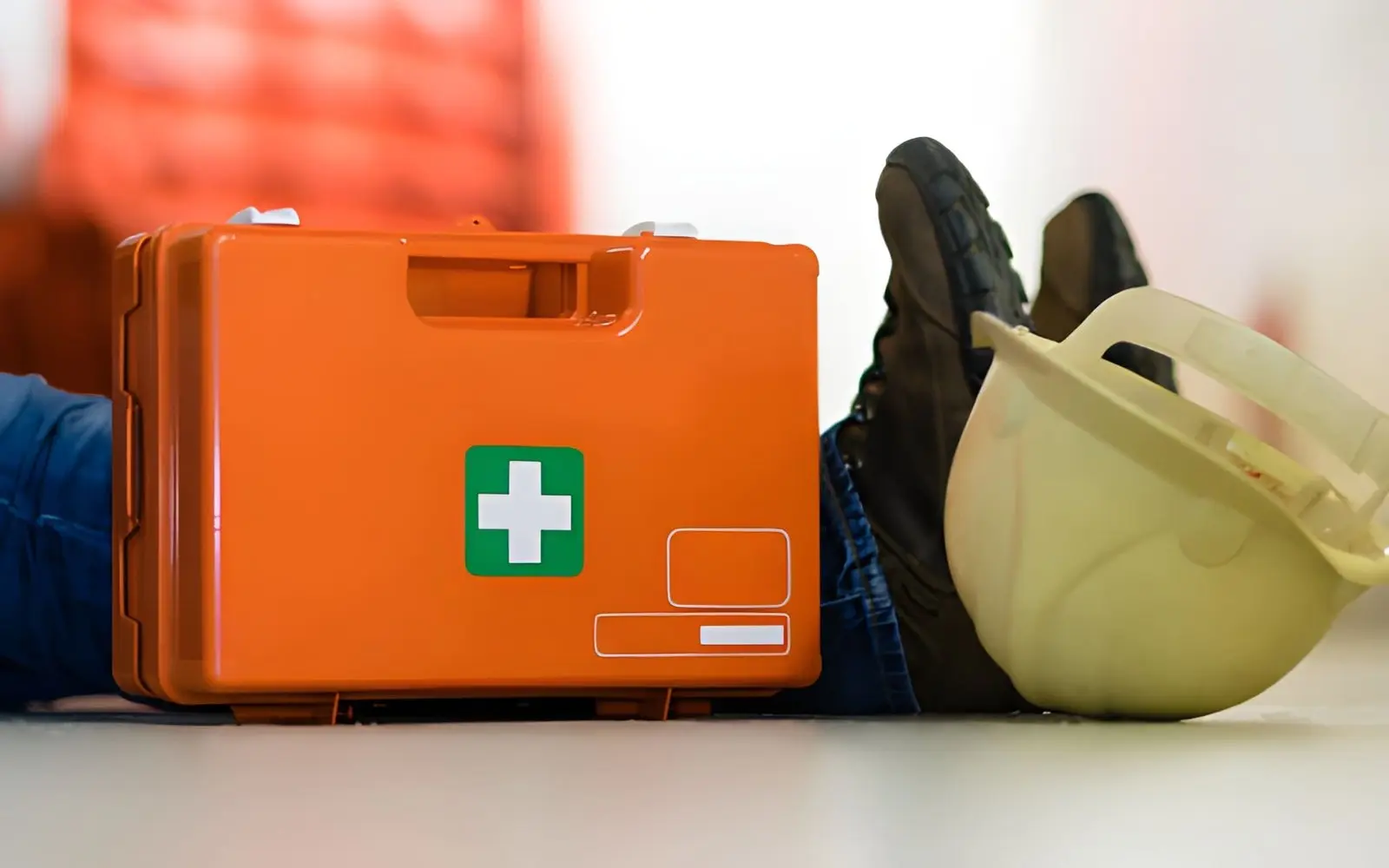
Have you ever looked around your office and wondered who would actually step up during a medical crisis? It is incredibly easy to buy a fully stocked medical kit, mount it to the wall, and consider your workplace safe. We all want to believe that someone else will magically know what to do. But a plastic box full of bandages cannot clear a blocked airway or restart a human heart. That is exactly why earning a CPR Certification is so incredibly important for everyday people. When an emergency happens, the panic is very real. Having actual, hands-on training gives you the confidence to act when every second counts.
Why Do We Freeze During an Emergency?
When a crisis strikes unexpectedly, the brain often goes into a temporary state of shock. You might know logically that you need to call 911, but your hands simply won’t move. I saw this happen at a community center a few years ago.
A man collapsed on the basketball court, and for ten agonizing seconds, twenty people just stared at him. Nobody knew what to do. Finally, someone with training stepped forward and took charge.
Proper training rewires that initial freeze response. Instead of getting stuck in a loop of fear, your brain recognizes a pattern. You learn to fall back on a step-by-step procedure rather than pure instinct.
What is the Value of Muscle Memory?
You can’t learn how to ride a bike by reading a manual. The same logic applies to life-saving techniques. During a high-stress situation, your fine motor skills often deteriorate.
If you have only read about chest compressions, you will likely hesitate, wondering if you are doing it right.
- You feel the resistance: Practicing on a CPR dummy teaches you exactly how hard you need to press.
- You find the rhythm: You learn the precise timing needed to keep oxygenated blood flowing to the brain.
- You lose the fear: Knowing you have physically practiced the steps removes the terrifying anxiety of making a mistake.
How Does Blended Learning Save You Time?
A lot of people avoid getting certified because they think it will ruin their entire weekend. Nobody really wants to sit in a stuffy classroom for two days straight. The good news is that the training industry has adapted to our busy schedules.
Today, top programs use a blended learning model. This means you handle the dry, theoretical reading online from your own couch. You can complete it at your own pace after the kids go to bed.
Then, you simply visit the training center for a few hours to complete the physical skills assessment with an instructor. It is highly efficient, fully WSIB/OHS approved, and gets you back to your life faster.
Are You Ready to Protect the People Around You?
At the end of the day, medical emergencies do not announce themselves. They happen at family dinners, during morning commutes, and right in the middle of important meetings. Having the skills to intervene is one of the most responsible things you can do.
If you are looking for first aid training near downtown Saskatoon, Idylwyld Drive, or other areas close to our facility, then you may reach out to Coast2Coast First Aid/CPR – Saskatoon in that area.
Frequently Asked Questions
What does a blended CPR course involve?
A blended course splits the learning into two parts to save you time. You read the theory online at your own pace, and then you attend a short, in-person session to practice the physical skills with a certified instructor.
How long does my certification last?
In most jurisdictions, standard CPR and first aid certifications are valid for three years. However, many medical professionals strongly suggest taking a quick annual refresher to keep your muscle memory sharp.
Do I need any prior medical knowledge?
Not at all. These classes are created specifically for the general public. Instructors assume you have absolutely zero medical background and break every concept down into simple, practical steps.
What is the difference between CPR and first aid?
CPR is a very specific procedure used to maintain blood flow when a person’s heart stops beating. First aid is a much broader category that covers the initial treatment for various injuries, from minor cuts and burns to severe allergic reactions.
Will I get in trouble if I perform CPR incorrectly?
Most regions have “Good Samaritan” laws designed specifically to protect bystanders who try to help during an emergency. The legal system wants to encourage people to act in good faith without the paralyzing fear of getting sued.
Also Read-How Exploring Destin Massage Techniques Enhances Relaxation

Add a Comment