
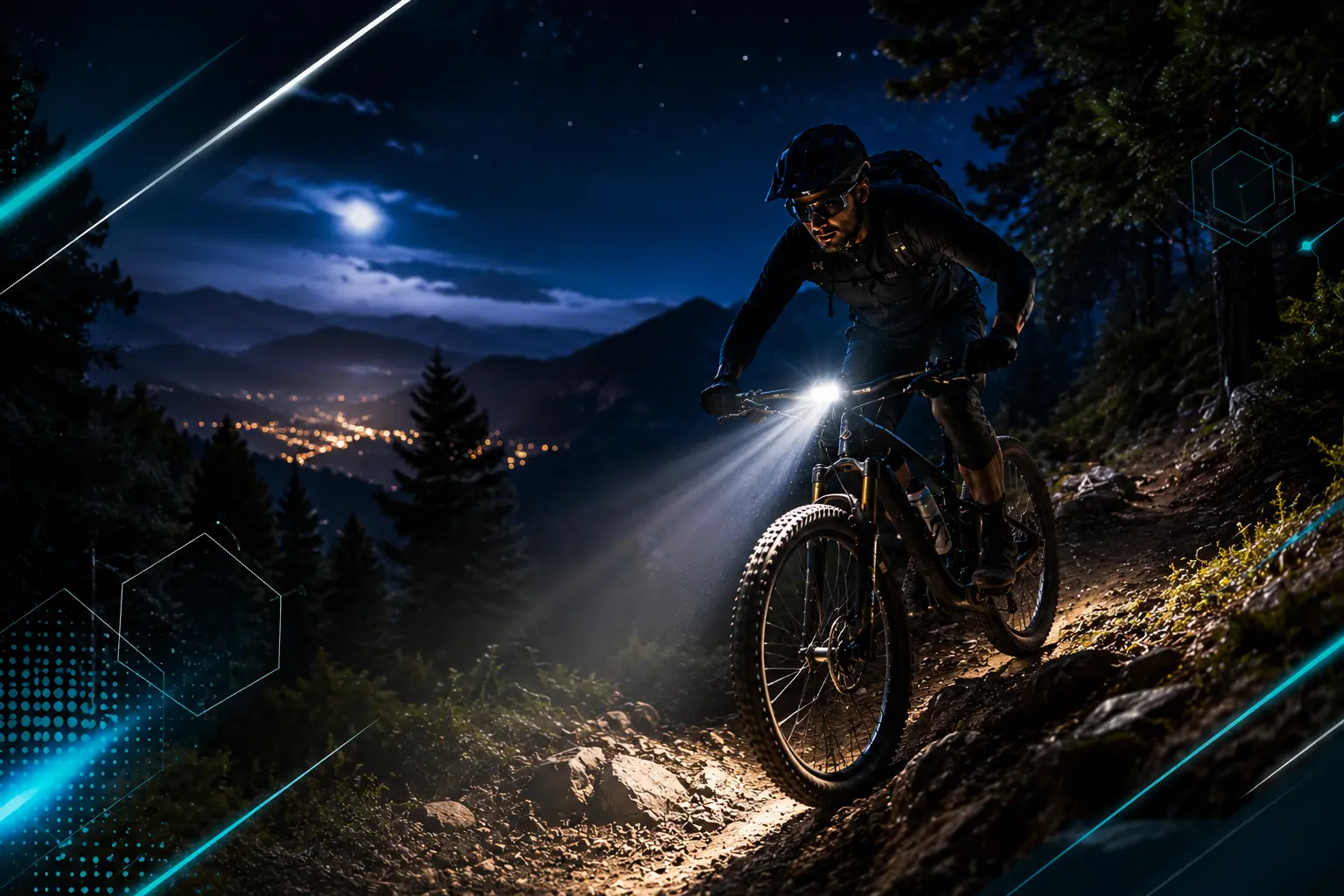
Every mountain biking adventure begins long before the first pedal stroke. Riders check tire pressure, inspect suspension, adjust helmets, and prepare hydration packs, but one essential piece of equipment often determines how confidently every trail unfolds—lighting. Unlike city roads, mountain trails are constantly changing. A familiar route can become completely different after rainfall, fallen branches, loose gravel, or shifting terrain. Every decision a rider makes depends on how early those changes become visible.
For experienced cyclists, Bike Lights Mountain Biking are no longer accessories reserved for nighttime riding. They have become valuable navigation tools that improve awareness during dense forests, shaded valleys, rocky descents, and unpredictable weather. Modern lighting systems help riders identify terrain details earlier, allowing smoother line choices and reducing unnecessary risks. Instead of reacting when obstacles suddenly appear, cyclists gain the opportunity to anticipate the trail and ride with greater confidence.
Today’s mountain biking culture focuses on preparation rather than improvisation. Riders increasingly understand that confidence comes from seeing more, thinking ahead, and making controlled decisions throughout the journey. Reliable lighting quietly supports every stage of that process while enhancing comfort across both short recreational rides and demanding backcountry adventures.
Every Journey Begins Before the Wheels Start Turning
The first few minutes of every ride often determine the rhythm of the entire adventure. Experienced riders rarely rush onto unfamiliar trails because they understand that preparation influences everything that follows. Weather conditions, trail maps, elevation profiles, and equipment checks all contribute to safer exploration.
Lighting belongs within that preparation process. A dependable beam allows riders to settle into the trail naturally rather than spending the opening kilometers adjusting to changing visibility. Starting confidently creates smoother momentum that continues throughout the ride.
Mountains Constantly Rewrite the Landscape
Unlike paved roads that remain relatively predictable, mountain terrain evolves almost daily. Wind moves loose branches across narrow paths, rainfall exposes rocks beneath soft soil, and erosion gradually changes familiar corners into technical obstacles.
Recognizing these changes early allows cyclists to adapt without sacrificing control. High-quality lighting reveals surface textures and subtle elevation differences that help riders choose safer lines before reaching difficult sections. Better information naturally leads to better decisions.
Momentum Depends on Looking Beyond the Next Corner
Mountain biking rewards vision more than speed. Riders who focus only a few meters ahead often struggle when trails suddenly tighten, descend sharply, or introduce technical obstacles. Looking further into the trail allows smoother braking, balanced cornering, and more efficient body positioning.
Modern lighting extends this visual planning distance by providing consistent illumination across wider sections of the trail. Cyclists gain additional reaction time that supports confident riding instead of hurried corrections.
Confidence Is Built Through Continuous Awareness
Many people assume confidence develops solely through experience, but awareness plays an equally important role. Even skilled riders hesitate when visibility becomes inconsistent because uncertainty affects every movement on the bicycle.
Reliable lighting removes much of that uncertainty. Instead of questioning hidden corners or dark forest sections, riders maintain natural rhythm while preserving mental focus throughout challenging terrain. Confidence grows because information replaces guesswork.
Trail Conditions Never Follow a Schedule
Mountain weather changes quickly. Bright sunshine can disappear behind clouds within minutes, while thick forest canopies often reduce visibility regardless of the time of day. Fog, dust, rain, and falling leaves all influence how clearly riders interpret the trail ahead.
Dependable lighting helps maintain consistent visibility despite these environmental changes. Cyclists no longer rely entirely on natural light because their equipment continues supporting clear vision whenever conditions become unpredictable.
Small Equipment Choices Influence Bigger Adventures
Mountain biking often encourages riders to invest in suspension upgrades, lighter wheels, and advanced drivetrains. Although these improvements enhance performance, reliable lighting quietly influences nearly every riding decision from beginning to end.
Well-designed lighting improves obstacle recognition, smoother braking, better cornering, and stronger overall trail awareness. These benefits accumulate over long rides, creating noticeable improvements in both safety and enjoyment without dramatically changing the bicycle itself
Essential Features Worth Considering
Choosing mountain bike lighting involves balancing durability with practical everyday performance.
- Wide-angle illumination
- Long-lasting rechargeable battery
- Waterproof construction
- Lightweight aluminum housing
- Secure vibration-resistant mounting
- Multiple brightness settings
- USB fast charging
- Reliable operation during extended rides
Together these characteristics create dependable performance across technical trails, recreational routes, endurance events, and weekend adventures.
One Lighting Strategy Should Support Every Ride
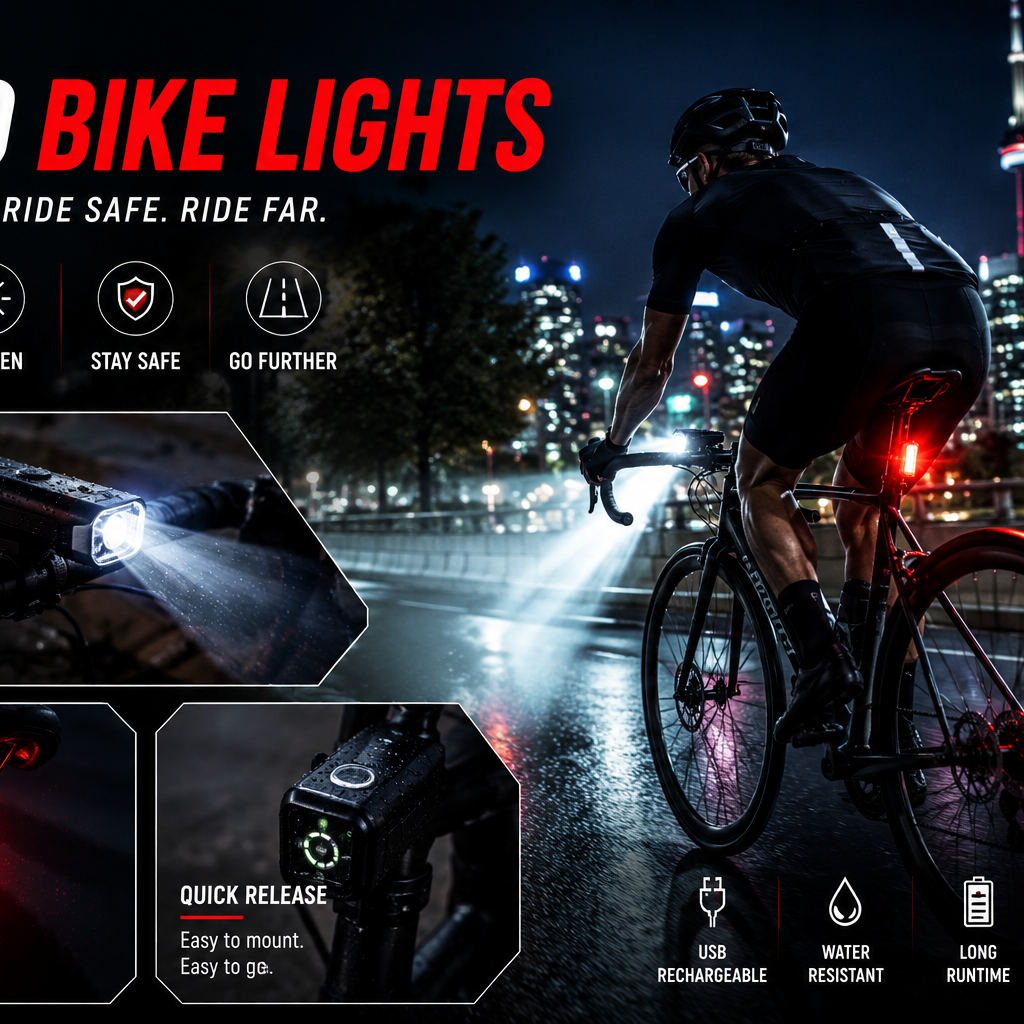
Many cyclists enjoy both mountain biking and road cycling throughout the year. Instead of viewing these disciplines separately, experienced riders often build flexible equipment setups that perform across different environments.
Combining dependable trail lighting with quality road bike lights creates a complete visibility strategy that supports commuting, fitness riding, mountain exploration, and long-distance cycling without constantly changing equipment. This balanced approach improves overall confidence while maximizing the value of every ride.
Conclusion
Mountain biking is ultimately about making hundreds of intelligent decisions between the trailhead and the summit. Every corner, climb, descent, and obstacle rewards riders who prepare rather than simply react. While skill and experience remain essential, dependable lighting quietly strengthens every choice made throughout the journey.
Investing in quality mountain bike lighting is not simply about riding after dark. It is about improving awareness, increasing confidence, and allowing every adventure to unfold with greater control regardless of terrain or changing outdoor conditions.
FAQs
1. Why are mountain bike lights useful during daytime rides?
Dense forests, changing weather, and shaded trails often reduce natural visibility even in daylight.
2. What beam pattern works best for mountain biking?
A wide, balanced beam provides better visibility across technical terrain while helping riders identify obstacles earlier.
3. Are rechargeable mountain bike lights reliable for long rides?
Yes. Modern rechargeable systems provide extended runtime and consistent brightness suitable for most trail adventures.
4. Should beginners invest in quality mountain bike lighting?
Absolutely. Better visibility helps new riders develop confidence while improving overall trail awareness.
5. Can the same lighting setup work for both mountain and road cycling?
Many cyclists successfully use versatile lighting systems that perform well across both off-road adventures and everyday road riding when paired with the right setup.

Add a Comment