
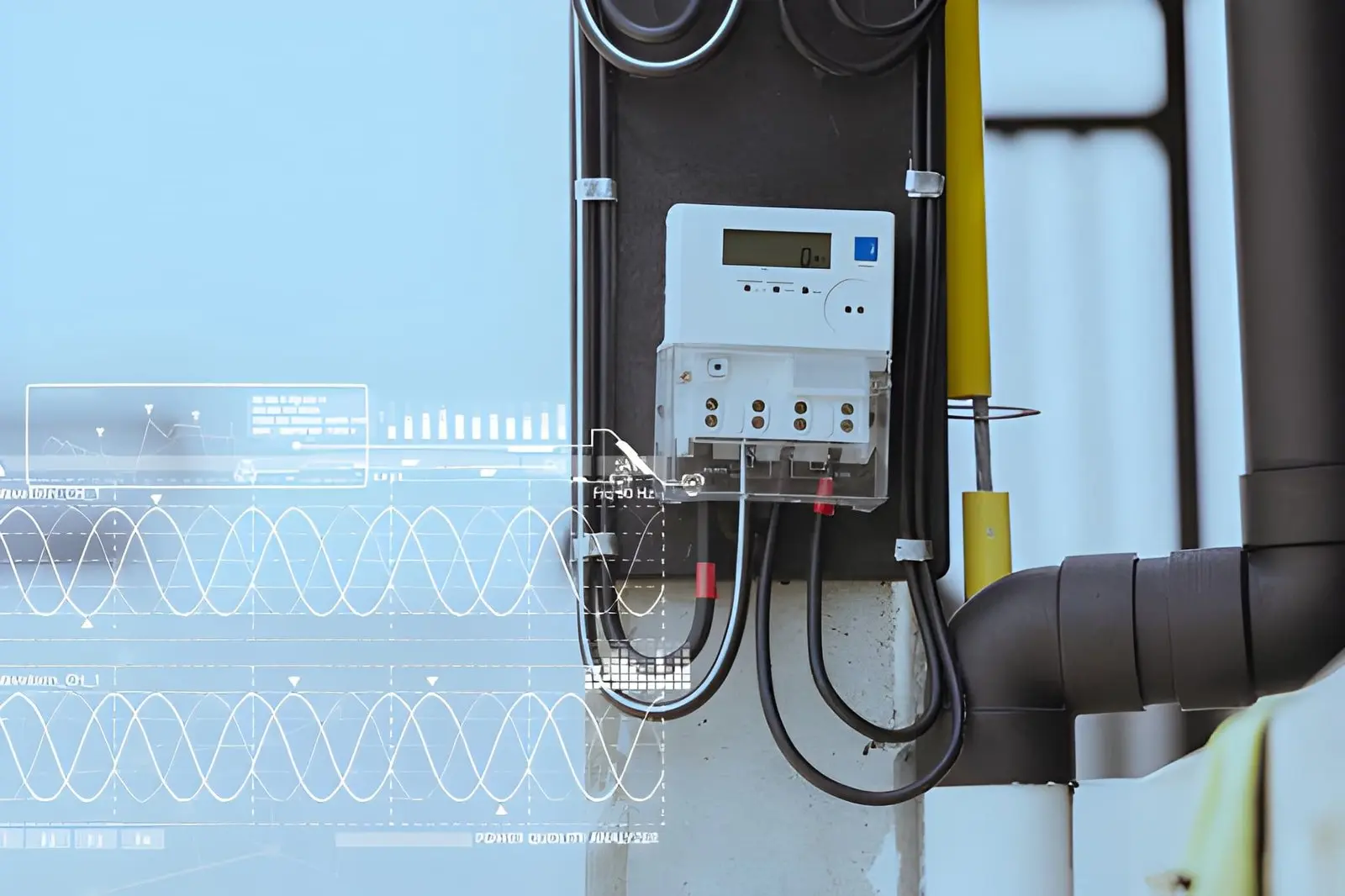
Industrial electrical networks operate under significant stress. Motors, drives, arc furnaces, and programmable logic controllers draw complex, non-linear loads that constantly disturb the supply network.
Voltage sags, harmonic distortion, transient surges, and frequency deviations are not rare events. They are daily operational realities. Understanding why power quality monitoring is critical in industrial settings helps facility managers protect expensive equipment and maintain production continuity.
Unresolved power disturbances lead to equipment failure, increased maintenance costs, and costly production losses. Modern industrial facilities now require continuous visibility into their electrical infrastructure to detect anomalies before they escalate into major failures.
Let’s examine what drives this issue and how monitoring electrical networks resolves it.
Industrial Equipment is Highly Vulnerable to Power Disturbances
Sensitive electrical instruments such as Variable Frequency Drives (VFDs), programmable controllers, and precision Computer Numerical Control (CNC) machines are particularly susceptible to supply anomalies.
Voltage sags lasting just a few milliseconds can trip automated production lines entirely. Harmonic distortion from non-linear loads causes transformer overheating and insulation degradation over time.
Transient overvoltages damage motor windings and reduce the rated service life of electrical equipment. Subtle disturbances frequently pass through conventional protection systems undetected, contributing to gradual equipment degradation.
What Power Quality Monitoring Reveals About Hidden Network Faults
Deploying monitoring instruments across a network exposes faults that standard protection relays never capture. Power analyzers measure key parameters including Total Harmonic Distortion (THD), power factor, voltage unbalance, and flicker severity.
Waveform capture at the load level identifies whether a disturbance originates from an internal source or the upstream utility feed. Industrial panel meters and submeters, aligned with Industry 4.0 frameworks, provide granular, per-load visibility across complex electrical networks. Multi-point monitoring enables root-cause analysis rather than symptomatic fixes, reducing repeat faults and unplanned shutdowns.
How Power Quality Monitoring Reduces Unplanned Downtime
Unscheduled production stoppages carry severe financial consequences in industrial environments. Continuous monitoring instruments generate event logs that maintenance teams use to predict and prevent equipment failures. Early detection of voltage sag patterns allows engineers to deploy mitigation devices such as Dynamic Voltage Restorers (DVRs) or Uninterruptible Power Supplies (UPSs).
Real-time alerts from monitoring platforms shorten Mean Time To Repair (MTTR) by directing technicians to the precise fault location. Facilities employing proactive power monitoring consistently report fewer production interruptions compared to those relying solely on corrective maintenance.
Regulatory Compliance and Standards Alignment
Industrial operations must comply with standards governing electrical supply quality and network performance. IEEE 519 sets limits on harmonic distortion levels permissible within industrial electrical networks in the United States. IEC 61000 series standards define acceptable voltage variation, flicker, and immunity requirements for connected electrical equipment.
Power quality monitoring instruments generate documented compliance records required during utility audits and insurance assessments. Non-compliance exposes facilities to financial penalties, forced shutdowns, and voided equipment warranties.
Energy Efficiency Gains Through Power Factor and Load Analysis
Poor power quality directly increases energy expenditure in industrial facilities. Low power factor caused by inductive motor loads results in reactive power demand charges from utility providers. Monitoring instruments identify power factor deviations, enabling targeted capacitor bank deployment for reactive power compensation.
Harmonic filters, correctly sized using monitoring data, reduce distribution losses across the entire electrical network. Facilities that incorporate continuous power monitoring typically achieve measurable reductions in peak demand and overall energy consumption.
Invest in Power Quality Monitoring to Protect Your Industrial Network
Industrial electrical networks carry significant operational and financial risk when supply quality goes unmonitored. Voltage instability, harmonic distortion, and transient events silently degrade electrical instruments and reduce equipment lifespan.
Power quality monitoring provides the diagnostic visibility needed to act before failures occur. Investing in certified, specification-grade monitoring devices is a decision that protects assets, ensures compliance, and supports operational efficiency.
Collaborating with a reputed electrical brand gives industrial buyers access to technically validated instruments, application support, and solutions built for demanding network environments. Do not wait for an unplanned shutdown to reveal what continuous monitoring would have caught months earlier.
Also Read-The Deadline Crunch: Strategies for Balancing Technical Logic and Intensive Coursework

Add a Comment