
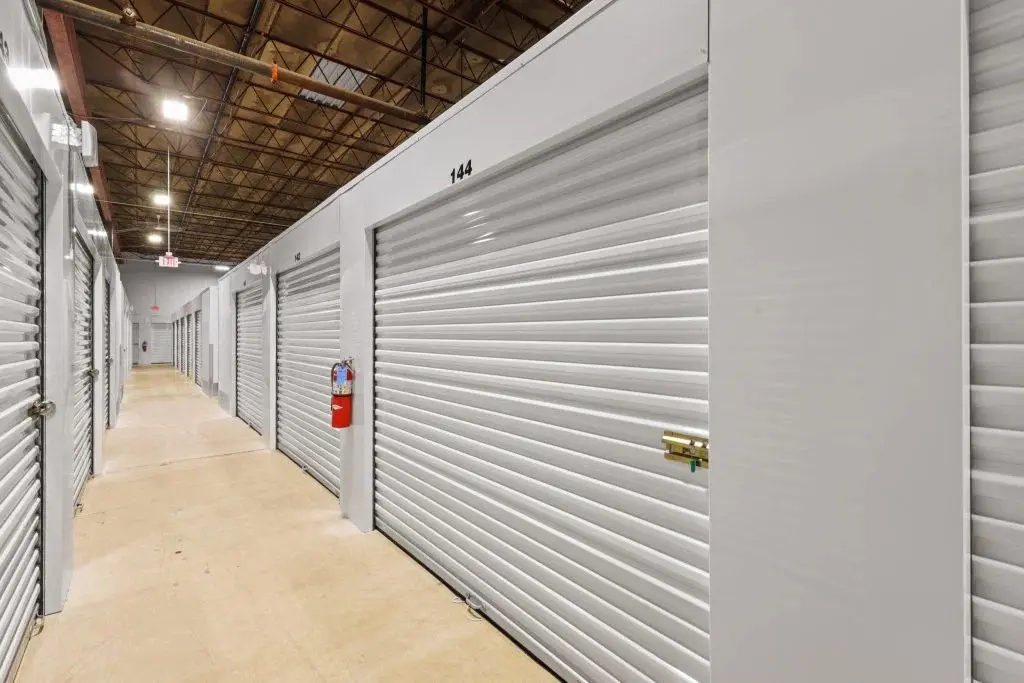
Let me ask you something honest. When did you last actually think about what happens to your stored belongings between the moment you lock the unit and the moment you open it again?
Most people don’t. They drop their stuff off, sign the paperwork, and assume it’ll be sitting there exactly as they left it. In most countries, that assumption is mostly fine. In Dubai, choosing the wrong kind of self storage can quietly cost you thousands of dirhams.
I’ve spoken with people who pulled antique furniture out of a standard storage unit after one summer and found the joints had swollen and cracked so badly the piece was essentially unsalvageable. Someone else retrieved a box of leather handbags, things they’d bought in Europe over years of travel, and found every single one covered in white mold. A small business owner stored a batch of skincare inventory in an unconditioned unit during June and July. By August, the entire stock had separated and become unsellable.
None of these people did anything careless. They just picked the wrong type of storage for Dubai’s climate. And that distinction matters enormously here.
This is a city where summer temperatures regularly hit 47 degrees Celsius. Where coastal humidity sits above 85 percent for weeks without dropping. Where fine desert dust pushes through any gap it can find. Standard storage units are built like metal or concrete boxes with a padlock. They don’t fight any of that. Climate controlled storage Dubai providers offer is built specifically to fight all of it.
There’s a real difference between the two, and by the end of this piece you’ll know exactly what that difference looks like, what items need it, and how to pick a facility that actually delivers what it promises.
What “Climate Controlled” Genuinely Means Here, Not Just Anywhere
The phrase gets used loosely across the storage industry. In a cooler country, a climate controlled unit might just mean there’s a heater running in winter to stop pipes freezing. That’s a pretty low bar.
In Dubai, the definition has to cover something far more demanding.
A unit that earns that label here should be holding temperature somewhere between 18 and 24 degrees Celsius, all day, all night, through July and August when it’s 48 degrees outside. It should be actively managing humidity, keeping relative levels between 45 and 55 percent, not passively, but through mechanical systems that respond when outdoor humidity spikes. And it should be filtering the air, not just circulating it, so that fine dust particles aren’t slowly settling on everything you’ve stored.
Here’s what proper climate controlled storage in Dubai actually requires:
- Temperature held at 18 to 24 degrees Celsius throughout the year, with no gaps overnight or on weekends
- Active humidity control targeting 45 to 55 percent relative humidity, monitored continuously
- Filtered air circulation that physically catches dust and airborne particles before they enter the unit
- Building insulation strong enough to stop heat radiating through walls during peak summer
- Sealed entry points that prevent shamal wind dust from infiltrating the storage environment
- Regular pest management, because warm, dark, enclosed spaces are exactly where insects and rodents want to be
When you’re comparing facilities, ask for specifics. “We have air conditioning” is not the same as “we maintain 20 degrees with active humidity control 24 hours a day.” Those two things sound similar and they’re not.
Which Belongings Actually Need This Level of Protection?
Not everything does. Metal tools, plastic garden chairs, most construction materials, cardboard boxes of old books you don’t particularly care about, these things can handle a hot unit reasonably well. But the list of items that can’t is longer than most people expect, and it includes things they wouldn’t immediately think of as fragile.
Furniture, Especially Anything Made from Wood
Wood is constantly responding to the moisture in the air around it. High humidity and it swells. Dry heat and it contracts. In Dubai’s climate, that cycle happens hard and fast.
Solid wood joints loosen. Veneers separate from their base material because the two layers are responding to humidity at different rates. Surface finishes bubble, crack, or go chalky. Antique pieces are worse off because they were often built with techniques and original glues that don’t tolerate these swings.
If you’re storing a dining table and chairs you paid serious money for, or pieces that belonged to someone in your family, a standard unit in a Dubai summer is genuinely a risk you should not take.
Electronics and Appliances
Heat does quiet, cumulative damage to electronics. Capacitors degrade faster. Battery cells deteriorate. Solder connections develop micro-cracks from repeated thermal expansion and contraction. When humidity gets into the equation, condensation forms on circuit boards, and that corrodes connections in ways that may not show up immediately but will eventually cause failure.
A laptop stored for six months in a 50-degree unit might power on when you take it out. But something inside it has been shortened. Business owners storing server hardware, POS systems, or office equipment should factor replacement costs into the decision about whether to pay the premium for climate controlled space.
Documents, Photographs, and Paper Records
Paper absorbs whatever moisture the air around it carries. In high humidity, pages buckle, stick to each other, and eventually develop mold. Photographs lose colour saturation and become brittle. Ink bleeds. Old documents become fragile enough to tear when you try to open them.
Legal records, architectural drawings, family photograph albums, original letters, anything on paper that you actually need to be readable later belongs in a dry, stable environment.
Artwork and Collectibles
Canvas, oil paint, watercolour paper, wood-based sculptures, anything made from organic material. All of it ages faster under heat and humidity stress than it would in a normal living environment. For collectors, the condition isn’t just aesthetic. It determines insurance value, resale value, and eligibility for exhibitions or galleries.
One bad summer in the wrong storage unit can move a piece from gallery-quality to decorative-only. That’s not a recoverable situation.
Leather Goods, Clothing, and Textiles
This category surprises people. Leather bags, shoes, jackets, and accessories are among the most commonly stored items in Dubai, particularly among expats rotating wardrobes between seasons or storing things during extended travel. Heat strips the natural oils from leather. Once that happens, cracking follows. Humidity grows mold, which leaves permanent staining and a smell that doesn’t come out.
Quality suits, silk garments, embroidered fabrics, and tailored pieces face the same threat from both ends of the spectrum. Too hot, too dry, and fibres degrade. Too humid and mold takes hold.
A comparison worth keeping in mind when deciding whether standard or climate controlled storage fits your situation:
| What You’re Measuring | Standard Storage Unit | Climate Controlled Unit |
| Peak summer internal temperature | 40 to 55 degrees Celsius | 18 to 24 degrees Celsius |
| Humidity management | None | Actively maintained at 45 to 55 percent |
| Dust filtration | Passive at best | Active filtered air circulation |
| Pest management | Inconsistent | Scheduled and regular |
| Suitable for valuables | No | Yes |
Dubai’s Climate Creates Storage Problems You Won’t Find Anywhere Else
This isn’t just about heat. There’s a combination of factors here that compounds the risk in ways that aren’t immediately obvious if you’ve mostly lived in temperate climates.
The shamal winds are a good example. These northwest winds carry extremely fine desert sand particles that behave almost like a liquid when it comes to finding gaps in poorly sealed structures. Over months, this dust settles on everything inside a unit that isn’t properly sealed. On furniture finishes, it causes micro-abrasion. On lenses and screens, it scratches. On fabric, it works into the fibres. A climate controlled facility with proper sealing stops this before it starts.
The proximity to the Gulf means humidity doesn’t change gradually with the seasons. It spikes. During April and October especially, a day that starts relatively dry can become intensely humid within hours as wind direction shifts. A facility that has basic air conditioning but no active humidity monitoring won’t respond to those spikes. The unit interior will follow the outdoor humidity level up, and everything stored inside takes the hit.
There’s also the risk that’s less talked about but real: mechanical failure inside the facility itself. Burst pipes, HVAC condensation overflow, plumbing leaks. A well-managed climate controlled facility services its mechanical systems on a regular schedule. A poorly managed one doesn’t, and you don’t find out until you open your unit to a water-damaged mess.
What Questions Should You Ask Before Renting a Climate Controlled Unit?
Picking the right facility matters as much as picking climate controlled storage over standard storage. Not all facilities that use the term are running equivalent operations. Some questions worth putting directly to any facility before you sign anything:
- What exact temperature range do you maintain inside units, and is that 24 hours a day including overnight and weekends?
- Do you monitor humidity separately from temperature, and what’s your target range?
- When were your HVAC and mechanical systems last professionally serviced?
- How often is pest management carried out, and by whom?
- What does your CCTV coverage include, and is access controlled at the unit level or just at the entrance?
- Can I access my unit outside business hours if I need to?
- What’s the minimum rental period, and how much notice do I give if I need to end the contract early?
A good facility answers these questions with specific numbers. A facility that responds with vague reassurances about “quality conditions” and “modern technology” without giving you actual temperature and humidity figures is telling you something useful about how it operates.
Is the Extra Cost Actually Worth It?
For some items, no. If you’re storing outdoor tools, plastic furniture, or anything that could comfortably sit in a hot garage without damage, you’re paying for protection the item doesn’t need.
For everything else, the cost comparison shifts quickly. Think about what it would cost to:
- Replace a leather wardrobe that’s developed mold and cracking
- Restore antique furniture with separated joints and damaged veneer
- Replace corroded business electronics
- Replace a collection of wine that’s been heat-damaged
- Restore or replace artwork that’s been irreparably affected by humidity
Against those replacement or restoration costs, the monthly premium between a standard unit and a climate controlled one almost always looks modest. For storage periods of six months or more, the financial case becomes straightforward. You’re not paying for luxury. You’re paying for insurance that actually works.
The less financial but equally real side of this is what you don’t have to spend mental energy on. Knowing your items are in a controlled environment means you can travel, relocate, or reorganise your living situation without that low-level background worry about what state you’ll find everything in.
How to Prepare Items Before Putting Them Into Storage
Even the best climate controlled unit can’t fully compensate for poor packing. These habits make a real difference:
- Clean everything before it goes in. Dust and grease residue attract pests and can cause surface staining over time, even inside a well-managed facility.
- Use breathable fabric covers on furniture and clothing rather than plastic sheeting. Plastic traps moisture directly against surfaces.
- Get furniture legs off the concrete floor using wooden pallets or boards. This allows air to circulate underneath and keeps items away from any moisture that might wick up from the floor.
- Pack electronics in their original boxes if you still have them. If not, use appropriate padded boxes with a couple of silica gel sachets to absorb residual moisture.
- Store mirrors and framed artwork standing vertically, not flat. Stacking puts pressure on frames and canvases that causes damage over time.
- Label boxes on more than one side. When boxes are stacked, you can’t always see the labelled face.
- Photograph high-value items before storage. If you ever need to make an insurance claim, documentation of pre-storage conditions is invaluable.
- For long-term storage lasting more than three months, try to visit the unit quarterly. It lets you catch any issues early and verify conditions are what they should be.
Who Actually Uses Climate Controlled Storage in Dubai?
The answer is broader than most people assume. This isn’t an exclusive service for collectors and the ultra-wealthy.
Expats on assignment form one of the largest user groups. Moving between Dubai and a home country, or relocating within the region, often involves months of transition where household goods, personal items, and sometimes work equipment need somewhere stable to sit. Flexible month-to-month contracts make climate controlled self storage practical for people whose plans can change.
Small and medium business owners use it for temperature-sensitive inventory. Pharmaceutical distributors have legal obligations around storage temperatures for their products. Cosmetics brands, specialty food retailers, electronics resellers, and anyone moving medical equipment all need conditions a standard unit can’t provide. A climate controlled storage unit with a flexible lease is often a more practical and affordable solution than committing to a commercial warehouse.
Interior designers and property developers use it between projects for staging furniture, artwork, and high-value decorative items. Short-term flexible storage with reliable environmental conditions lets them move inventory efficiently without long-term overhead.
People in larger apartments who are downsizing, or in smaller ones who want the equivalent of a spare room for seasonal items, use climate controlled storage as an extension of their living space. For the cost difference versus renting a larger apartment in Dubai, it’s usually a straightforward decision.
E Self Storage UAE Offers Climate Controlled Storage Dubai Residents Can Trust
E Self Storage UAE provides climate controlled storage Dubai residents and businesses use for exactly the situations described throughout this piece. Their facilities maintain stable temperature and humidity levels year-round, with active monitoring rather than passive systems that only run during office hours.
Units come in a range of sizes designed to match actual storage needs, not to push customers into oversized spaces. 24/7 CCTV monitoring, controlled access entry, insulated building design, and regular pest management are standard rather than optional extras. Contracts are flexible enough to work for short-term transitions and long-term storage commitments alike.
For anyone comparing self storage options in Dubai who wants a quote based on what they’re actually storing and how long they need it for, reaching out to E Self Storage UAE directly is the most efficient starting point.
Conclusion
Dubai is a place where people are constantly in motion. Moving in, moving out, expanding businesses, changing apartments, travelling for months at a stretch, relocating across countries. That movement creates a genuine recurring need for storage you can actually trust.
The problem is that Dubai’s climate is actively hostile to most of the things people own and value. The heat is well-documented. The humidity is underestimated. The cumulative effect of both on wood, leather, electronics, documents, artwork, and food products is real and often irreversible by the time it’s visible.
Climate controlled storage Dubai offers through properly equipped facilities isn’t a premium product aimed at a niche market. For anyone storing items with real value, financial or personal, it’s simply the correct choice. The cost difference between a standard unit and a climate controlled one is a fraction of what you’d spend replacing or restoring what the wrong environment destroys.
Understand what you’re storing, ask the right questions when you’re choosing a facility, and pack correctly before the unit door closes. Do those three things and your belongings will come out of storage the same way they went in.
Also Read-Enhancing Home Energy Efficiency Through Window Replacement

Add a Comment