
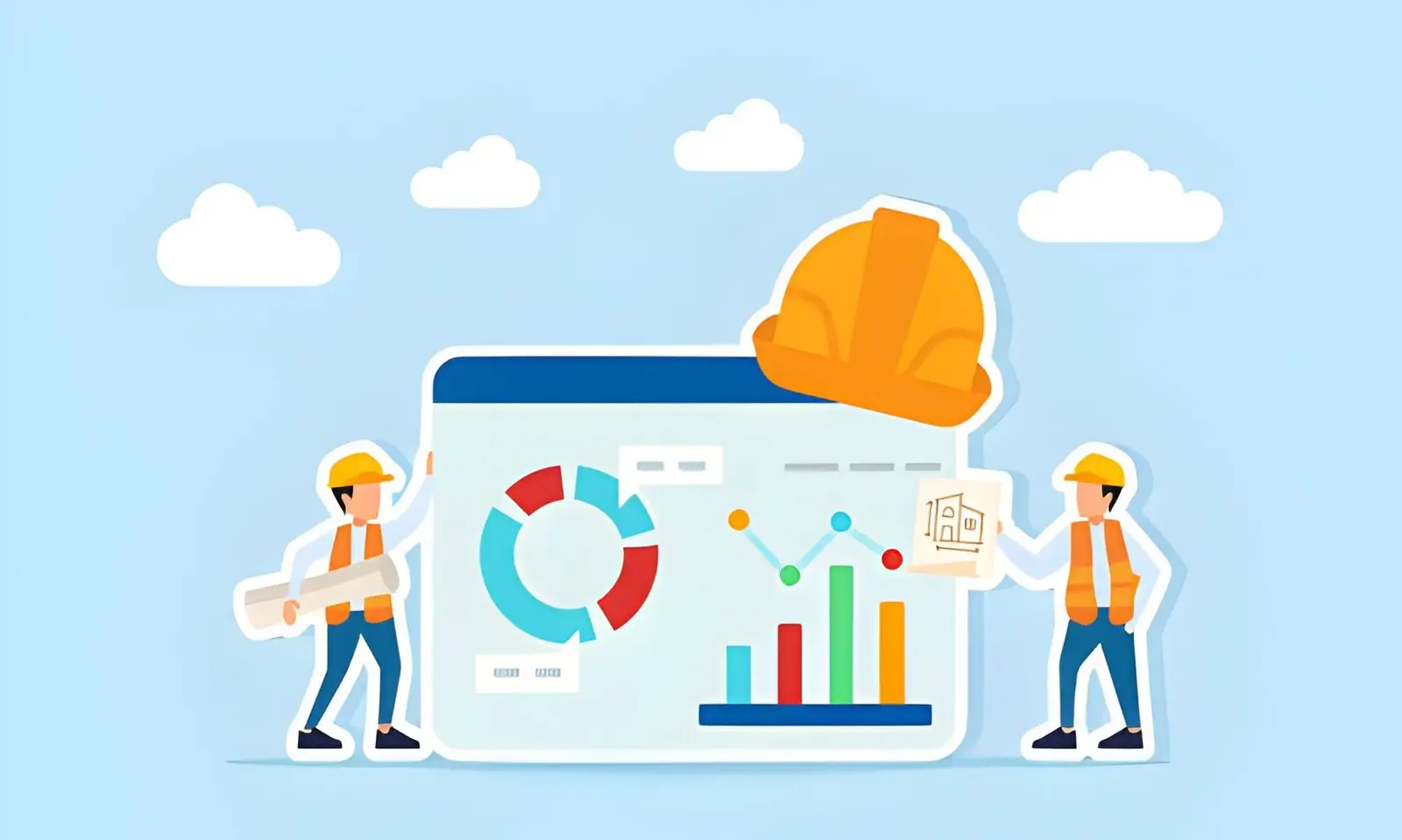
Effective project planning is fundamental to the success of any construction endeavour. The ability to organise, schedule, and allocate resources efficiently can significantly influence the timeline, budget, and overall quality of the final deliverable. As the construction industry evolves, leveraging technology to enhance project management has become increasingly important. Among the most valuable tools available today is construction project planning software.
The Importance of Project Planning in Construction
Project planning in construction involves a systematic approach to defining objectives, outlining tasks, estimating timelines, and managing resources. It ensures that all stakeholders share a comprehensive understanding of the project’s scope and requirements. Poor planning can lead to delays, increased costs, and substandard outcomes. Therefore, integrating reliable project planning methods is paramount to maintaining productivity and delivering successful projects.
Challenges in Construction Project Management
Construction projects often face several challenges, including fluctuating resources, weather dependencies, compliance with regulations, and coordination between multiple teams. Keeping track of evolving timelines and budgets can be complex. Delays and miscommunication may occur, causing inefficiencies and duplication of effort. Addressing these issues requires innovative solutions that enhance communication, transparency, and real-time monitoring.
What is Construction Project Planning Software?
Construction project planning software refers to digital platforms designed to streamline the management of construction projects. These tools provide functionalities such as scheduling, resource allocation, document management, budgeting, and communication tools tailored specifically for construction activities. By digitising these processes, project managers can reduce manual errors and accelerate decision-making.
Key Features of Construction Project Planning Software
Modern construction project planning tools offer a range of features beneficial for organising complex workflows. These include task scheduling with visual timelines and Gantt charts, real-time progress tracking, resource management dashboards, cost estimation modules, and collaboration hubs enabling team members to share updates and documents efficiently. Additionally, some software integrates with other business systems to ensure data consistency across operations.
Benefits of Using Construction Project Planning Software
Implementing specialised project planning software brings multiple advantages to construction projects. Primary among these is the ability to improve project visibility. Managers can monitor every phase of the project in real-time, identifying bottlenecks early and reallocating resources accordingly. Enhanced communication between contractors, subcontractors, suppliers, and clients minimises misunderstandings and ensures everyone remains aligned with project goals.
Another notable benefit is improved adherence to timelines and budgets. By using predictive analytics and historical data, software solutions help anticipate potential delays or cost overruns. This foresight enables proactive measures to mitigate risks. Furthermore, automation of routine administrative tasks reduces the burden on project teams, allowing them to focus on critical decision-making.
How Software Enhances Collaboration
Construction projects require coordination among diverse stakeholders scattered across multiple locations. Construction project planning software offers centralised platforms where all relevant documents, schedules, and updates are accessible. Real-time notifications and messaging functions foster seamless communication. This collaborative environment enhances transparency and accountability, reducing the likelihood of conflicts and rework.
Improving Resource Management
Effective resource management is critical to project success. Construction project planning software assists in accurately tracking the availability and utilisation of labour, machinery, and materials. It ensures that resources are allocated efficiently to prevent shortages or idle time. Managing complex supply chains becomes more manageable, reducing disruptions and enabling just-in-time procurement strategies.
Industry Examples of Construction Project Planning Tools
Various software solutions cater specifically to the construction sector. These platforms support comprehensive project control from initiation to completion. Users benefit from modules customised for disciplines such as civil engineering, residential building, and infrastructure development. Integration capabilities with accounting software, compliance systems, and design tools further enhance operational efficiency.
For professionals seeking reliable options, construction project planning software offers a robust solution. This platform provides comprehensive project construction management features designed to simplify scheduling, budgeting, and resource tracking. The software’s user-friendly interface and scalable capabilities accommodate projects of varying sizes.
Ensuring Data Security and Compliance
Data security is critical when managing sensitive project information. Construction project planning software typically incorporates advanced security protocols, including encryption and role-based access controls. Compliance with industry standards and legal regulations related to data protection ensures that client and project data remains confidential, fostering trust among stakeholders.
Training and Adoption Considerations
Introducing new technology in construction organisations requires effective change management. Adequate training must be provided to ensure teams can utilise the software’s full capabilities. User-friendly interfaces and responsive customer support help reduce the learning curve, facilitating smooth adoption. Additionally, selecting software that integrates easily with existing systems mitigates disruption during implementation.
Future Trends in Construction Project Planning Software
The construction industry continues to embrace digital transformation, with emerging trends shaping the development of project planning software. These include the integration of artificial intelligence to enable predictive analytics, enhanced mobile capabilities for on-site updates, and utilisation of cloud computing to improve accessibility. Increasing use of Building Information Modelling (BIM) integration also supports more accurate project visualisation and coordination.
The Role of Data Analytics and Reporting
Data-driven decision-making is a growing focus within construction management. Advanced software offers comprehensive reporting tools, allowing project managers to analyse performance metrics and identify areas for improvement. Customisable dashboards display key performance indicators in real-time, supporting continuous optimisation of workflows and resource use.
Cost Implications and Return on Investment
Investing in construction project planning software involves upfront costs, including licensing and training. However, the return on investment can be significant due to reductions in project delays, cost overruns, and rework. Enhanced productivity and better resource allocation contribute to improved profitability and competitive advantage for construction firms.
Conclusion
Construction project planning software represents a vital tool in maximising efficiency and ensuring successful project delivery. By providing comprehensive features tailored to the complexities of construction management, these platforms enable better planning, increased collaboration, and effective resource utilisation. Organisations adopting such software are better positioned to navigate the challenges inherent to construction projects and achieve optimal outcomes.
With the continued advancement of technology and growing digital adoption in the construction sector, utilisation of specialised project planning software is increasingly becoming a standard best practice. Leaders in construction project management should consider integrating these solutions to capitalise on their significant operational benefits.
Also Read

Add a Comment