
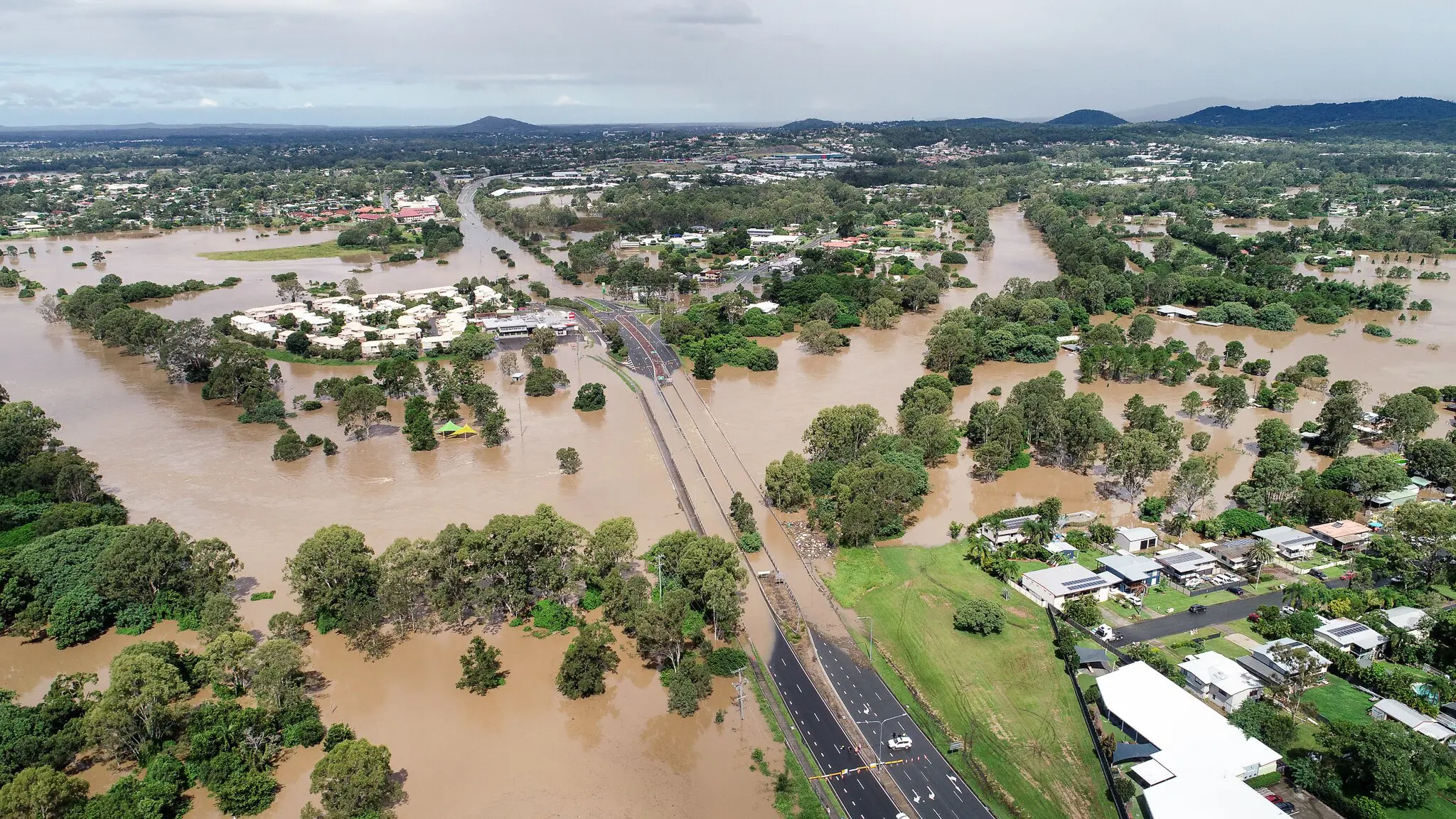
Flooding is a significant natural hazard that affects many regions worldwide, and Logan is no exception. With its unique geographical and climatic conditions, Logan is prone to periodic flooding events that impact both residents and the local economy. Understanding the causes and implications of Logan Flooding is essential for effective risk management and mitigation strategies.
Overview of Flooding in Logan
Logan, situated in the southeastern part of Queensland, Australia, experiences flooding primarily due to heavy rainfall and river overflow. The Logan River and its tributaries play a crucial role in the area’s hydrology. During intense storms, the river can swell beyond its banks, causing widespread inundation of surrounding properties and infrastructure. This vulnerability to flooding arises from both natural factors and human activities.
Geographical and Climatic Factors
The city’s topography and climate contribute significantly to flooding risks. Logan’s low-lying areas are especially susceptible to water accumulation during heavy rain events. Seasonal weather patterns, including the summer monsoon and tropical cyclones, increase the likelihood of intense rainfall, which can overwhelm drainage systems and lead to flooding.
Historical Flood Events
Historically, Logan has experienced severe flooding incidents that have caused extensive damage. Recorded flood levels and reports reveal the impact on residential zones, commercial areas, and public services. These events underline the importance of ongoing flood risk awareness and mitigation measures among local residents and authorities.
Impacts of Logan Flooding
The consequences of flooding in Logan are multifaceted. Residential properties often suffer structural damage, which results in costly repairs and temporary displacement of occupants. Infrastructure such as roads, bridges, and utility networks can also be severely affected, disrupting daily life and economic activities.
Furthermore, floods can pose significant health risks. Standing water and damp conditions foster the spread of waterborne diseases and create breeding grounds for mosquitoes. Additionally, flooding may lead to contamination of drinking water supplies, necessitating rapid public health responses.
Environmental Consequences
Flooding in Logan can also impact local ecosystems. Excessive water flow can cause erosion, sedimentation, and habitat destruction. Native flora and fauna may be displaced or harmed, with long-term implications for biodiversity and environmental sustainability.
Flood Risk Assessment and Mapping
Effective flood management begins with detailed risk assessment and mapping. Authorities and experts in Logan use hydrological models and historical data to identify flood-prone zones. This information is critical for urban planning, infrastructure development, and emergency preparedness.
Flood maps indicate areas at varying degrees of risk, enabling residents, businesses, and local governments to make informed decisions. Such mapping is continuously updated to reflect changes in land use, climate patterns, and other relevant factors.
Role of Technology in Flood Prediction
Advancements in meteorological technology and remote sensing have enhanced the accuracy of flood forecasting in Logan. Real-time monitoring systems provide early warnings, allowing residents and emergency services to respond promptly and reduce potential damage.
Managing Logan Flooding Risks
Addressing flood risks in Logan requires an integrated approach involving infrastructure, land use planning, community engagement, and policy development. A combination of structural and non-structural measures contributes to reducing vulnerability and enhancing resilience.
Structural Mitigation Measures
Physical infrastructure such as levees, floodwalls, retention basins, and improved drainage systems helps control water flow and manage flood events. Upgrading existing infrastructure to cope with more frequent or intense flooding, as suggested by changing climate conditions, is an ongoing priority.
Land Use Planning and Zoning
Strategic land use policies limit development in high-risk flood zones. Local government regulations often require that new constructions adhere to flood-resilient designs and incorporate elevated building structures or other protective features. Green spaces and wetlands are preserved as natural buffers that absorb floodwaters.
Community Preparedness and Education
Informing the public about flood risks and safety measures is vital for community resilience. Emergency response plans, evacuation routes, and real-time communication systems are essential components. Community education campaigns enhance awareness and readiness during flood emergencies.
Insurance and Financial Protection
Access to appropriate insurance coverage is a critical element of flood risk management in Logan. Homeowners and businesses are encouraged to obtain flood insurance to mitigate financial losses arising from flood damage. Understanding insurance terms and coverage helps in making informed decisions.
Government and Stakeholder Roles
Local and state governments play a central role in managing Logan Flooding risks. This includes investing in infrastructure, enforcing planning regulations, conducting risk assessments, and coordinating emergency services.
Collaboration with community groups, environmental organisations, and researchers ensures that flood management strategies are comprehensive and adaptive. Public consultations and transparent communication enhance trust and participation in flood risk reduction efforts.
Policy Framework and Legislation
Relevant legislative instruments provide the framework for flood management policies. These policies promote sustainable development, environmental protection, and disaster resilience. Periodic policy reviews ensure alignment with evolving scientific knowledge and community needs.
Future Challenges and Adaptation
Climate change presents new challenges for flood management in Logan. Predicted increases in rainfall intensity and frequency mean that existing infrastructure and plans may require significant upgrades. Anticipating these changes is essential for long-term resilience.
Integrating Climate Change into Flood Risk Management
Long-term adaptation strategies include incorporating climate projections into planning, enhancing natural flood mitigation measures, and promoting community resilience. Integrative approaches that combine engineering solutions with ecosystem-based adaptation provide sustainable outcomes.
Conclusion
Understanding and managing flooding risks in Logan is crucial for protecting lives, property, and the environment. Through comprehensive risk assessment, effective mitigation strategies, community engagement, and government oversight, Logan can better prepare for and respond to future flood events.
Access to information and resources, such as those available through Logan Flooding knowledge bases, supports residents and stakeholders in making informed decisions. Continuous improvement and adaptation are key to enhancing the city’s flood resilience in the years to come.
Also Read-Enhancing Home Energy Efficiency Through Window Replacement

Add a Comment