
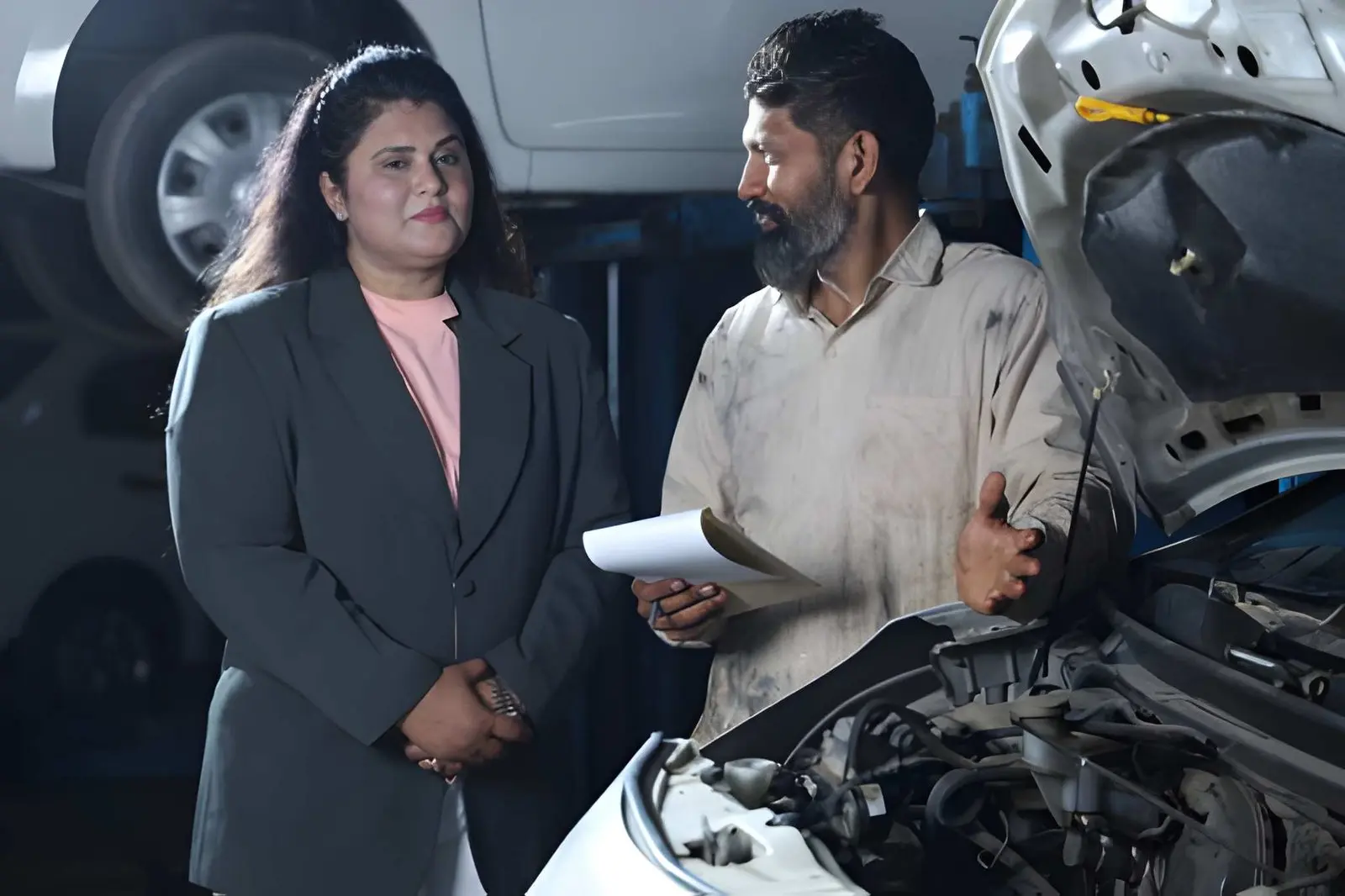
Buying a used car can feel exciting, especially when you find something that looks clean, runs well, and fits your budget. But underneath that shine, there can sometimes be problems that are not obvious during a quick inspection or test drive. That’s where a specialist who focuses on vehicle history checks becomes incredibly useful. Their role is to help you understand the full background of a car so you don’t end up paying for hidden issues later.
In everyday life, most people rely on what they can see. If a car starts smoothly and the paint looks good, it’s easy to assume everything is fine. But just like buying a house without checking for termites or a used phone without checking battery health, skipping background checks on a vehicle can lead to expensive surprises.
A vehicle history check specialist acts like a safety filter between you and those risks. They help translate complicated records into simple, practical insights that you can actually use when making a decision.
Why car problems are often invisible at first glance
Many costly car issues are not obvious during a casual inspection. A car might look perfect on the outside but still have a hidden history that affects its value, safety, or legality.
For example, imagine buying a second-hand laptop from someone online. It might look brand new, but if the battery has been heavily damaged or the device was previously repaired after a major failure, you would only find out later when it starts shutting down unexpectedly. Cars work in a similar way, except the stakes are much higher.
Some common hidden issues include:
- Previous serious accidents that were repaired but not fully disclosed
- Outstanding finance owed on the vehicle
- Odometer tampering, where mileage has been rolled back
- Records of theft or recovery
- Structural damage that affects safety but is not visible
A trained eye or a quick inspection won’t always uncover these issues. That’s why people turn to professionals who specialize in digging deeper into official records and identifying red flags.
How specialists interpret vehicle history data in real-world terms
A major advantage of working with someone experienced in vehicle history checks is their ability to turn raw data into understandable advice. Vehicle records can be confusing for most buyers. They often include codes, dates, and legal terms that don’t mean much unless you know how to interpret them.
Think of it like medical test results. You might see numbers on a blood test report, but a doctor is the one who explains what those numbers actually mean for your health. In the same way, a vehicle history check specialist helps explain whether a report is harmless or a warning sign.
For example, a record showing “insurance write-off” might sound alarming, but not all write-offs are equal. Some may be minor cosmetic damage, while others indicate major structural repairs. Without proper interpretation, buyers might either walk away from a good deal or unknowingly accept a risky one.
This is especially helpful in industries like logistics or delivery services, where companies often purchase multiple used vehicles at once. A small mistake in selecting a vehicle can lead to breakdowns, downtime, and lost income. Having expert insight reduces that risk significantly.
Real-life scenarios where mistakes can become expensive
To understand the value of a proper vehicle history check, it helps to look at real-world situations where things go wrong.
Imagine a young professional buying their first car. The seller seems honest, the price is attractive, and everything looks fine during the test drive. A few months later, the car starts developing engine issues. After spending thousands on repairs, the buyer discovers the car had a previous flood damage record that was never disclosed.
Flood-damaged vehicles are a common issue in many regions. Even after repairs, electrical systems and internal components can fail unexpectedly over time. Without a proper background check, this kind of history is easy to miss.
Another example comes from small businesses that rely on transport vehicles. A delivery company might buy a used van to save money. If that van turns out to have outstanding finance, the lender could legally repossess it. That means the business loses both the vehicle and the money already spent on it.
Even in industries like ride-sharing or food delivery, drivers depend heavily on vehicle reliability. A single poor purchase decision can reduce income for weeks or even force someone out of work temporarily.
These situations show how important it is to look beyond appearance and understand the full story behind a vehicle before making a commitment. For those who find themselves on the other side of the equation — already holding a vehicle with a troubled history or serious damage — services that let you Sell My Totaled Car Fast for Cash offer a practical way to recover value without the hassle of private listings or lengthy negotiations.
Why expert guidance adds confidence to the buying process
A professional in this field doesn’t just provide a report—they help reduce uncertainty. Buying a car is one of the biggest financial decisions many people make after housing or education. It makes sense to approach it with care.
When you use a structured vehicle history check, you gain clarity on:
- Whether the car is legally safe to buy
- Whether it has been involved in major accidents
- Whether it has financial claims attached
- Whether the mileage is consistent with its age
This kind of clarity can change the entire buying experience. Instead of relying on guesswork or trust alone, you make decisions based on verified information.
For example, someone shopping for a family car might be choosing between two similar vehicles. One has a clean history, while the other has a record of repairs after a serious collision. Without this knowledge, both might seem equally good during a test drive. With it, the choice becomes much clearer.
This is where the value of a vehicle history check specialist becomes especially important. They don’t just point out problems—they help you understand how those problems affect safety, value, and long-term reliability.
Making smarter decisions without unnecessary stress
At the end of the day, buying a used car should feel like an upgrade, not a gamble. Most people are not trying to become experts in car diagnostics or legal records—they just want a reliable vehicle that won’t cause unexpected expenses.
By using proper vehicle history checks, you reduce the chance of surprises and increase confidence in your purchase. It’s similar to checking reviews before booking a hotel or reading ingredients before buying food. A little bit of information upfront can prevent a lot of frustration later.
Whether you are buying your first car, upgrading for your family, or managing a fleet for business use, having access to accurate vehicle history information helps you stay in control of your decision.
And in a market where appearances can sometimes be misleading, that kind of clarity is worth a lot more than it seems at first glance.
Also Read-How Men’s Health Physiotherapy Specialists Support Recovery and Wellbeing

Add a Comment