
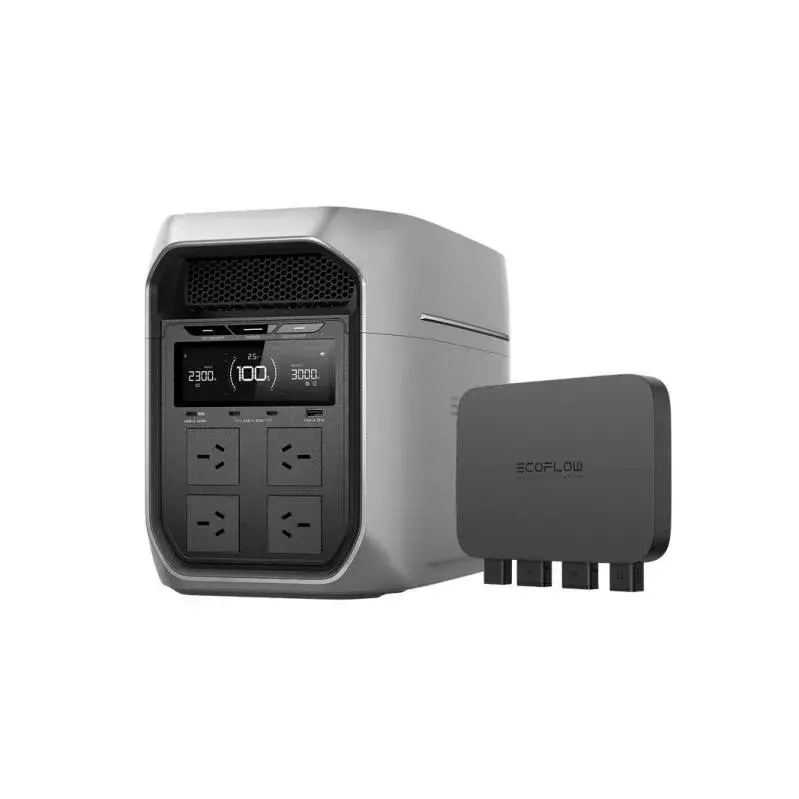
Portable power stations give homeowners a quiet, clean way to keep lights, fridges, routers, and phones running when the grid goes down. Instead of storing fuel and dealing with fumes, you plug devices directly into a compact battery box that recharges from the wall, solar panels, or even your car. Modern units from top brand like EcoFlow pack high-capacity lithium batteries, fast charging, and smart safety systems into portable designs you can move around the house or take on trips. This guide explains why portable power stations matter for home backup, what features to compare, and which types work best for small apartments, larger homes, and longer blackouts.
Why Portable Power Stations Are Essential
Benefits Over Traditional Generators
Portable power stations run silently, produce no exhaust, and operate safely indoors, which solves major drawbacks of gas generators. You do not need to store gasoline, change oil, or pull a starter cord in bad weather. Most models start with a single button and provide clean, stable power that suits electronics like laptops, routers, and medical devices. Because they use lithium batteries, they hold a charge for months, ready for a sudden outage. Solar compatibility also reduces operating costs and lets you recharge even when fuel stations remain closed.
Best Uses During Power Outages
During a blackout, portable power stations cover critical loads first. Many homeowners dedicate them to internet routers, phones, and LED lights to stay informed and safe. Higher-capacity models run refrigerators, deep freezers, or a small space heater to protect food and comfort. Medical users rely on them to keep CPAP machines or oxygen concentrators running through the night. Portable stations also handle short bursts of higher demand, such as brewing coffee or microwaving food. When storms linger, solar input helps stretch runtime so you can rotate devices and manage power carefully.
Key Features to Consider Before Buying
Battery Capacity and Power Output
Battery capacity, measured in watt-hours (Wh), tells you how long a power station can run your devices. For basic backup of phones, Wi‑Fi, and lights, many people start around 300–600Wh. To keep a fridge and several smaller devices running through a night, 1,000–1,500Wh is more realistic. Larger homes or longer outages often call for 2,000Wh or more, sometimes with expandable battery packs.Power output, measured in watts (W), shows what the unit can run at once. Continuous output around 500–800W covers electronics and small appliances. For fridges, microwaves, kettles, and power tools, aim for 1,500–2,400W with a surge rating high enough for startup spikes.
Charging Speed and Safety Features
Fast charging shortens the window where you sit unprepared between outages. Many current power stations recharge from empty to 80% in one to two hours via AC, while some support even faster “X‑Stream” or “Turbo” modes. If you want sustainable backup, check solar charging input (in watts) and supported voltage, and pair your station with compatible panels.Safety features protect both the battery and your home. Look for an integrated battery management system that handles overcharge, over-discharge, overcurrent, and temperature control. Pure sine wave inverters help keep sensitive electronics safe. Certifications such as UL, CE, or ETL, sturdy enclosures, and clear fault indicators further reduce risk during stressful outages.
Best Portable Power Stations for Different Needs
Best for Small Homes and Apartments
Small homes and apartments usually benefit from a compact 500–1,000Wh power station. These units often weigh under 20–25 pounds, so you can easily move them between the living room, bedroom, and kitchen. They provide enough power to keep phones, laptops, a router, and several LED lights running for many hours, plus short bursts for a fan or small appliance. Look for multiple AC outlets, at least one USB‑C PD port for fast laptop charging, and quiet fan operation. With integrated handles and simple controls, these models make a practical entry-level backup solution for renters and urban households.
Best for Large Homes and Long Blackouts
Larger homes and areas with frequent storms need more robust systems in the 2,000–3,000Wh range or higher. These power stations deliver 2,000W or more of continuous output, enough to run a full-size refrigerator, freezer, networking gear, lights, and a few extra devices simultaneously. Some systems support expandable batteries, letting you double or triple capacity as your budget allows.Prioritize models with strong solar input, often 800–1,200W, so you can recharge quickly during daytime. Wheels, sturdy handles, and clear displays help manage their extra weight. Many premium units integrate app control, UPS-like pass‑through power, and advanced safety features, making them ideal for serious, long-duration home backup.
Conclusion
Portable power stations offer a flexible, low-maintenance way to keep your home running when the grid fails. Compared with gas generators, they stay quiet, clean, and safe to use indoors, while delivering reliable power for your most important devices. By understanding battery capacity, inverter output, charging options, and safety protections, you can choose a model that fits your space and outage patterns.Smaller units work well for apartments and short disruptions, while high-capacity, expandable systems with solar support suit larger homes and longer blackouts. With careful planning, a portable power station becomes more than an emergency backup; it turns into a versatile energy tool you use year-round.
Also Read

Add a Comment