Choosing the right upgrades for your home’s envelope can make a substantial difference in both comfort and cost. One of the most impactful ways to conserve energy and improve your home’s efficiency is to replace old, drafty windows with high-performance models. If you are exploring new Grand Junction windows, modern solutions on the market today can help curb energy loss, boost indoor comfort, and trim utility expenses over time.
As window technology advances, homeowners have more options to reduce energy waste while simultaneously enhancing a home’s curb appeal. Beyond immediate comfort improvements, upgrading your windows is a strategic investment that pays off through lower utility bills and potential increases in property value.
Understanding the Impact of Old Windows
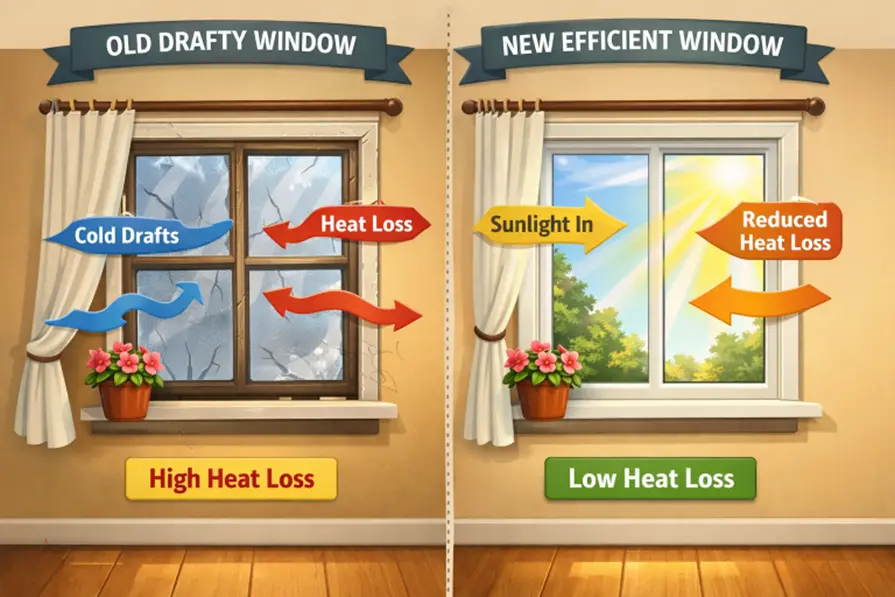
Older windows commonly underperform because they lack adequate insulation and can develop gaps or leaks as materials age. According to the U.S. Department of Energy, heat gain and loss through windows account for 25%–30% of residential heating and cooling energy usage. This means that outdated windows can lead to significant energy waste, forcing HVAC systems to compensate for temperature fluctuations, which not only affects premium comfort levels but also increases monthly costs. For a deeper look at energy efficiency in homes, visit the U.S. Department of Energy’s resource on windows, doors, and skylights.
Benefits of Energy-Efficient Windows
Installing modern, energy-efficient windows provides a range of practical and lifestyle benefits for homeowners:
- Reduced Energy Consumption: Improved window insulation means less energy is required to heat and cool your home, leading to lower utility bills and more sustainable household management.
- Improved Comfort: Energy-efficient windows maintain more consistent indoor temperatures, eradicating cold drafts and overheated zones near window surfaces.
- Noise Reduction: Advanced insulating glass designs and well-sealed frames substantially dampen outdoor noise, making your living space quieter and more serene.
- UV Protection: Low-emissivity coatings reduce interior fading by filtering out harmful UV rays that can damage furniture, flooring, and artwork over time.
Key Features of Modern Replacement Windows
Today’s replacement windows integrate advanced engineering, offering properties far beyond what was standard even a decade ago. Homeowners should look for features that include:
- Multiple Panes: Double or triple-pane glass units, often filled with noble gases such as argon or krypton, provide better insulation than single-pane models.
- Low-E Glass: Special coatings that reflect infrared light, helping keep heated or cooled air where you want it and blocking solar gain during summer months.
- Quality Frames: Energy-efficient frames crafted from vinyl, fiberglass, or wood composites add thermal resistance and enhanced durability, reducing thermal bridging.
- Proper Sealing: High-performance weatherstripping and precision manufacturing prevent drafts and air leaks, which are key to maximizing efficiency.
Choosing the Right Windows for Your Home
With a wide array of window styles, materials, and features available, selecting the right windows for your specific needs is crucial. Your local climate, your home’s architecture, and your project budget should all guide your decision. Seek products with the ENERGY STAR label, which certifies independently tested energy performance, and check ratings from the National Fenestration Rating Council (NFRC) to compare transparency and insulation values. Consulting with professional window installers can provide valuable insights and help ensure the selections suit your specific goals and site conditions. For tips on choosing the best window for your climate, see Consumer Reports’ window buying guide.
Installation Best Practices
Ensuring your new windows perform as expected depends heavily on the quality of the installation process. A correct installation will maximize your energy savings and help your windows reach their potential lifespan. Best practices include:
- Making sure the window sits perfectly within the opening to minimize gaps.
- Applying flashing and using moisture-resistant sealants to direct water away from the opening and avoid leaks.
- Following the manufacturer’s installation instructions alongside local codes to prevent problems down the road.
Rely on experienced, certified installers to ensure your investment delivers lasting results.
Cost Considerations and Potential Savings
The upfront cost of purchasing and installing replacement windows can be significant, especially in comparison to quick fixes. However, these costs are recouped over time through energy savings. According to ENERGY STAR, upgrading to high-efficiency windows can reduce annual household energy bills by 7%–15%. Some states and utility companies offer rebates or tax credits for qualifying window products, providing an additional incentive for homeowners to make the switch.
Alternative Ways to Improve Window Efficiency
If a full window replacement is not currently part of your renovation plan, interim steps can still bring marked improvements in energy use and comfort:
- Weatherstripping and Caulking: Addressing leaks with these materials can noticeably reduce drafts and heat loss.
- Storm Windows: Adding interior or exterior storm windows creates an added thermal barrier and increases performance in harsh seasons.
- Window Treatments: Well-fitted curtains, blinds, or thermal shades help maintain desired temperatures, acting as an extra layer of defense against heat and cold.
Applying these strategies can provide immediate improvements and make your living spaces more comfortable until more comprehensive upgrades are possible.
Conclusion
Replacing outdated windows to enhance your home’s efficiency is a significant yet highly beneficial investment. Energy-efficient windows help maintain comfortable indoor environments, reduce strain on heating and cooling equipment, and lower utility bills. Take a comprehensive approach by selecting quality products, ensuring proper installation, and considering all available efficiency solutions. Making informed choices today yields tangible rewards for your home and family in the long run.
Also Read

Add a Comment