
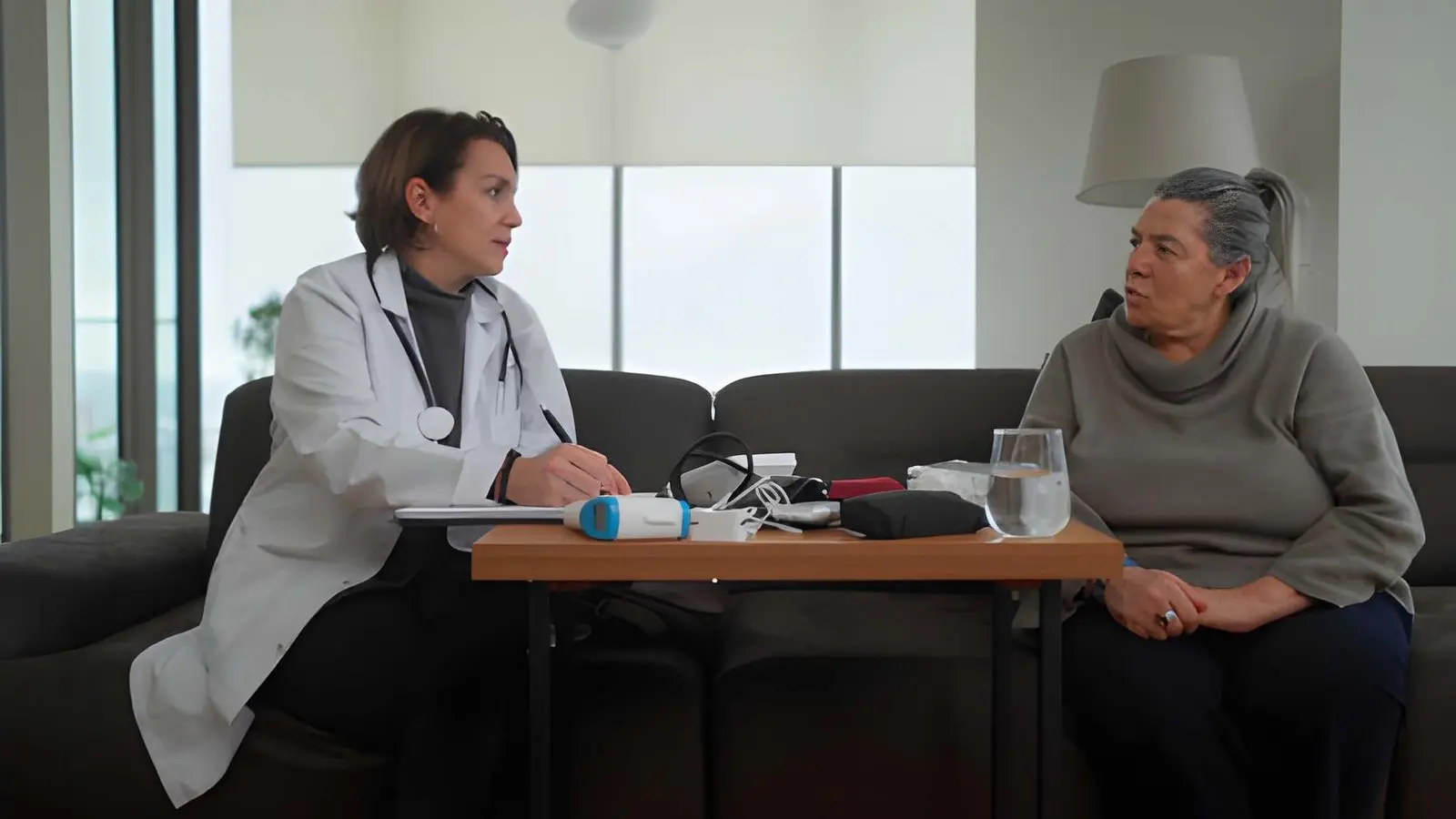
Healthcare delivery has changed significantly in recent years, with more patients looking for faster, easier, and more comfortable ways to access medical services. Traditional clinic visits often require travel, long waiting times, and the inconvenience of fitting appointments into already busy schedules. Home healthcare is addressing these challenges by bringing essential medical services directly to the patient’s doorstep. As a result, more people are choosing home-based healthcare options that provide professional care while reducing the need for frequent clinic visits.
Medical Consultations Without Leaving Home
One of the biggest reasons home healthcare is reducing clinic visits is the growing availability of doctor on call services. Instead of traveling to a healthcare facility for routine consultations or non-emergency medical concerns, patients can now receive professional medical attention in the comfort of their homes. This is especially beneficial for elderly individuals, busy professionals, parents with young children, and patients recovering from illness who may find clinic visits inconvenient or physically demanding. By making consultations easier to access, home healthcare encourages patients to seek timely treatment without the burden of travel.
Saving Time for Patients and Families
Time is one of the most valuable resources for modern families, and clinic visits can often consume several hours between travel, registration, waiting rooms, and consultations. Home healthcare eliminates many of these delays by allowing patients to schedule appointments at convenient times and receive care directly at home. This time-saving benefit is one of the main reasons why more residents are choosing home-based healthcare as a practical alternative to traditional medical appointments.
Improved Comfort Leads to Better Care
Receiving healthcare at home creates a more comfortable experience for patients. Medical facilities can feel stressful or overwhelming, especially for individuals who are unwell, elderly, or anxious in clinical environments. In a home setting, patients are often more relaxed and able to communicate openly with healthcare providers. This improved comfort can lead to better consultations, more accurate assessments, and a more positive healthcare experience overall.
Reduced Exposure to Crowded Waiting Areas
Another important advantage of home healthcare is avoiding exposure to crowded clinics and hospitals. Waiting rooms often bring together patients with a variety of illnesses, increasing the risk of infection. For elderly individuals, young children, and those with weaker immune systems, avoiding these environments can be especially important. Home healthcare reduces this exposure while still ensuring that patients receive the medical support they need in a safe and private setting.
Better Access for Patients with Mobility Challenges
For individuals with mobility issues or chronic health conditions, visiting a clinic can be physically exhausting. Transportation arrangements, long walks through healthcare facilities, and waiting times can make even routine appointments difficult. Home healthcare removes these obstacles by delivering medical care where it is needed most. This improved accessibility allows patients with physical limitations to maintain regular medical support without the added stress of traveling to a clinic.
More Comprehensive Care at Home
Home healthcare is no longer limited to simple consultations. Patients can now access a wide range of services including nursing care, physiotherapy, wellness monitoring, and diagnostic testing at home. This broader availability of services reduces the need for multiple clinic visits and allows patients to manage more aspects of their healthcare through a single coordinated system. As these services continue to expand, home healthcare is becoming a more complete alternative to traditional outpatient care.
Diagnostics Are Now Easier to Access
One of the key developments making home healthcare more effective is the availability of blood test at home services. In the past, patients often needed to visit a separate clinic or laboratory after a doctor’s consultation for diagnostic testing. Now, essential blood work and other tests can be arranged at home, saving time and improving convenience. This integration of diagnostics into home healthcare reduces the number of appointments patients need to attend and helps streamline the entire treatment process.
The Future of Healthcare Is at Home
Home healthcare is changing the way patients access medical services by making consultations, diagnostics, and follow-up care easier and more convenient. By reducing travel time, improving comfort, minimizing exposure to crowded clinics, and expanding access to medical services at home, this model is helping patients manage their health more efficiently. As more healthcare services become available at home, the need for routine clinic visits will continue to decrease. For many patients, home healthcare is not just a convenient option—it is becoming the preferred way to receive quality medical care.
Also Read

Add a Comment